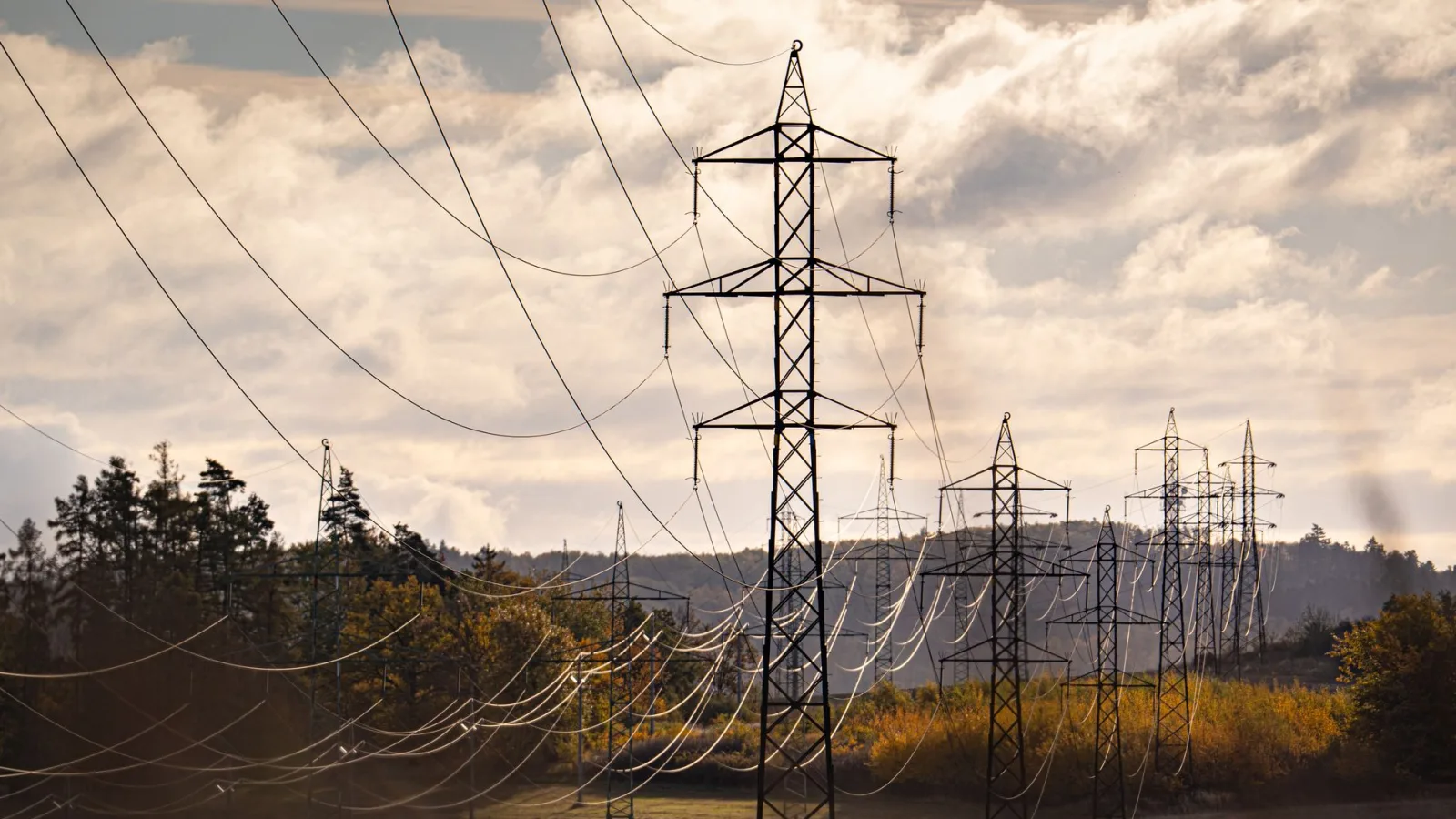
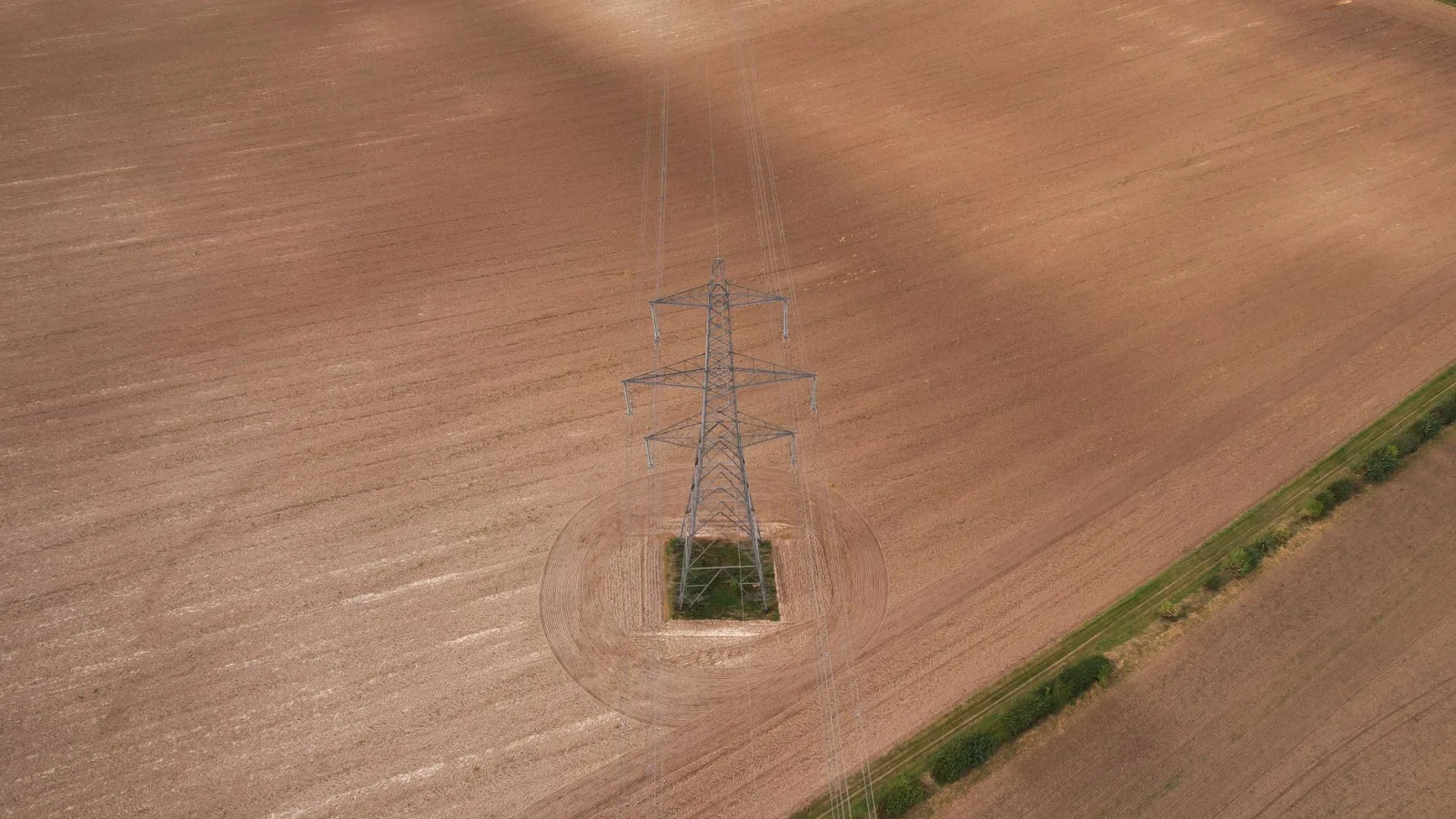
The government has confirmed the locations of more than 40 National Grid upgrade schemes across the UK, with homeowners living near the proposed projects set to benefit from electricity bill discounts of up to £2,500 over a ten-year period.
The announcement forms part of the Planning and Infrastructure Bill and follows an earlier confirmation that the wider grid upgrade programme would be partly funded through an 80p increase applied to all households' energy bills.
A total of 43 projects have been listed in the first phase of the scheme, with locations ranging from Scotland to the south of England. The government has indicated that further projects are likely to be announced in future phases as the upgrade programme continues.
Much of the UK's National Grid infrastructure was built in the 1960s, and ministers say the modernisation work is required to meet rising demand and to support long-term reductions in electricity costs for consumers.
Energy Minister Michael Shanks said the upgrades were "a vital part of how we deliver secure, homegrown energy and unlock economic growth across the country," describing the work as "a moment of national renewal" that would bring the network "built largely in the 1960s" up to date for modern needs.
He added that it was important for communities hosting new pylons to benefit directly, saying the government was "determined those communities which host pylons should benefit," which is why bill reductions were being introduced for households near the infrastructure.
The announcement follows other recent government moves to accelerate energy infrastructure delivery, including plans to scrap mandatory planning consultations for certain energy projects, even as some other energy-related schemes have faced delays.
Who qualifies for the discount
Under the scheme, homeowners will need to live within 500 metres of a qualifying project to be eligible for reduced bills. Those who believe they qualify will not need to make contact themselves, as eligible households are expected to be contacted directly by Ofgem during the first half of next year.
Bill discounts will then be applied automatically by energy suppliers every six months, with Ofgem holding overall responsibility for administering what is being called the Bill Discount Scheme. Households on commercial meters may need to make contact separately, according to the guidance.
Which projects are covered
Not every piece of new infrastructure will qualify. According to government information, only new onshore, overground transmission infrastructure built by Transmission Operators, where construction started on or after 10 March 2025, will be within scope of the scheme. This includes associated onshore transmission infrastructure such as substations, convertors, switching stations and sealing-end compounds, as well as the onshore elements of any subsea power lines, including converter stations.
Crucially, appearing on the list of proposed projects does not guarantee an immediate discount. Bill reductions will not begin until schemes have secured all necessary consents and main construction work has started. Until that point, household energy bills will remain unchanged.
Community funding alongside bill discounts
In addition to the individual household savings, the scheme includes provision for wider community investment in areas hosting new infrastructure. Network operators will be required to establish Community Funds linked to their transmission projects.
Funding has been set at £200,000 per kilometre of overhead electricity cable in a given area, alongside £530,000 for each substation, converter station or switching station built.
The proximity of pylons to homes has long been a contentious issue, with many residents historically opposed to new overhead lines being built near their properties. However, the government maintains that upgrading the network in this way represents the most cost-effective route towards meeting rising electricity demand and supporting its wider Net Zero commitments, which include reducing the UK's reliance on fossil fuels.
A full list of the 43 confirmed project locations has been published by the government, though households are advised that further phases of the scheme are expected to be announced over time as the upgrade programme progresses.