Households and businesses across Great Britain are set to gain more control over their energy consumption and bills following the government's publication of its Clean Flexibility Roadmap.
The new roadmap, announced today, outlines the government's strategy to foster a more flexible electricity system, enabling consumers to capitalise on lower prices when clean energy generation is abundant. This will be facilitated through the wider adoption of flexible tariffs and smart appliances, which can automatically adjust energy use to off-peak times.
The initiative is presented as a crucial step in the government’s broader mission to establish Britain as a clean energy superpower, forming a key component of its Plan for Change. It builds on the Clean Power 2030 Action Plan, published in December 2024, which set a target to increase clean flexibility capacity to between 51 and 66 gigawatts by 2030, a two to three-fold increase from 2023 levels.
According to government analysis, many consumers are already benefiting from varying their electricity usage. For example, electric vehicle (EV) drivers who utilise smart charging overnight could see savings of up to £330 annually on their energy bills.
The government's commitments within the Clean Flexibility Roadmap aim to extend these benefits to more households. Measures include supporting EV drivers to access discounts on electricity at public chargers during off-peak hours, mandating energy suppliers to provide more accessible information on smart tariffs, and advancing efforts to help consumers receive tailored energy products and services based on their individual electricity usage patterns.
Beyond individual bill savings, the shift towards greater off-peak electricity use is projected to significantly enhance the efficiency and resilience of the national electricity network. This could result in estimated system cost savings of up to £70 billion by 2050.
Kayte O’Neill, Chief Operating Officer at NESO, commented on the roadmap: "The journey towards a decarbonised system will bring opportunities for industry and consumers if we can solve the challenges of using the system flexibly. This roadmap provides clear direction for that, setting out the actions needed to increase flexibility across Great Britain and the rewards it will bring."
Akshay Kaul, Director General for Infrastructure Group at Ofgem, echoed this sentiment, stating: "A more flexible energy market will be a real game changer, giving households more control over what they pay for their energy. Small lifestyle tweaks such as programming a dishwasher or tumble dryer to run overnight when costs are low or charging your electric car during high winds can have a material impact on people’s bills." He added that Ofgem is "opening up flexibility markets to bring better tariffs and products to consumers to make cheaper bills a reality."
Industry leaders have largely welcomed the publication. Sarah Honan, Head of Policy at ADE: Demand, said: "Industry demanded a step change in leadership to match our ambition - and this roadmap delivers. A dedicated Flexibility Commissioner aligns squarely with our sector’s blueprint for consumer-led clean power. Now, we must place British homes and businesses at the heart of the system; paying them to flex, not paying gas plants to bail us out. That’s how we lower bills, ditch fossil fuel dependency and make clean power by 2030 real."
Barnaby Wharton, Director of Future Electricity Systems at RenewableUK, highlighted the importance of flexibility for a renewable-based system: "A secure, affordable and resilient power system based on renewables needs flexibility at its core, to match times when wind and solar are generating with smart demand. This roadmap puts consumers at the heart of that system, empowering households and businesses to take control of how and when they use electricity, so they can save money by using power when it’s cheapest."
Naomi Baker, Senior Policy Manager at Energy UK, described the roadmap as a "positive step towards a smarter, more flexible electricity system that passes the lower cost of renewables through to bill payers." She added that "a smart flexible system will be a win for bills, a win for British jobs and a win for energy security."
Kelly Butler, Director of External Affairs at BEAMA, welcomed the roadmap and its commitment to practical delivery. "With appropriate lead times for product development, a technology agnostic approach within electrification and a clear connection across consumer facing policies such as EPCs, we anticipate major supply chain investment to meet the challenge," he said. He believes the oversight of a new Flexibility Commissioner has the "potential to help grow the sector, and bring increased momentum to delivering flexibility to consumers and businesses through mass market uptake of Energy Smart Appliances."
Merlin Hyman OBE, Chief Executive of Regen, acknowledged the roadmap as an "important step to bring together reforms needed to unlock the full value of the rapidly developing grid scale storage sector and consumer led flexibility in a coordinated work programme." He noted the "challenge now is to deliver what is a significant programme of reform."
Energy suppliers are also engaging with the concept of flexible energy. British Gas stated that "the Government’s shift to personalised power is the right one. We know consumers want flexibility and fairness, and this roadmap delivers both." The company highlighted its "market-leading Peak Save scheme, saving our customers over £25 million on their energy bills."
Ramona Vlasiu, Chief Operating Officer at E.ON Next, welcomed the roadmap as a "vital step in giving households more control over their energy use and bills." She pointed to E.ON Next's efforts, including "innovative time-of-use tariffs, smart battery trials that could save households up to £300 a month, and our partnership with Northern Powergrid to explore how smart technologies and local energy solutions can help lower bills and support a more resilient grid."
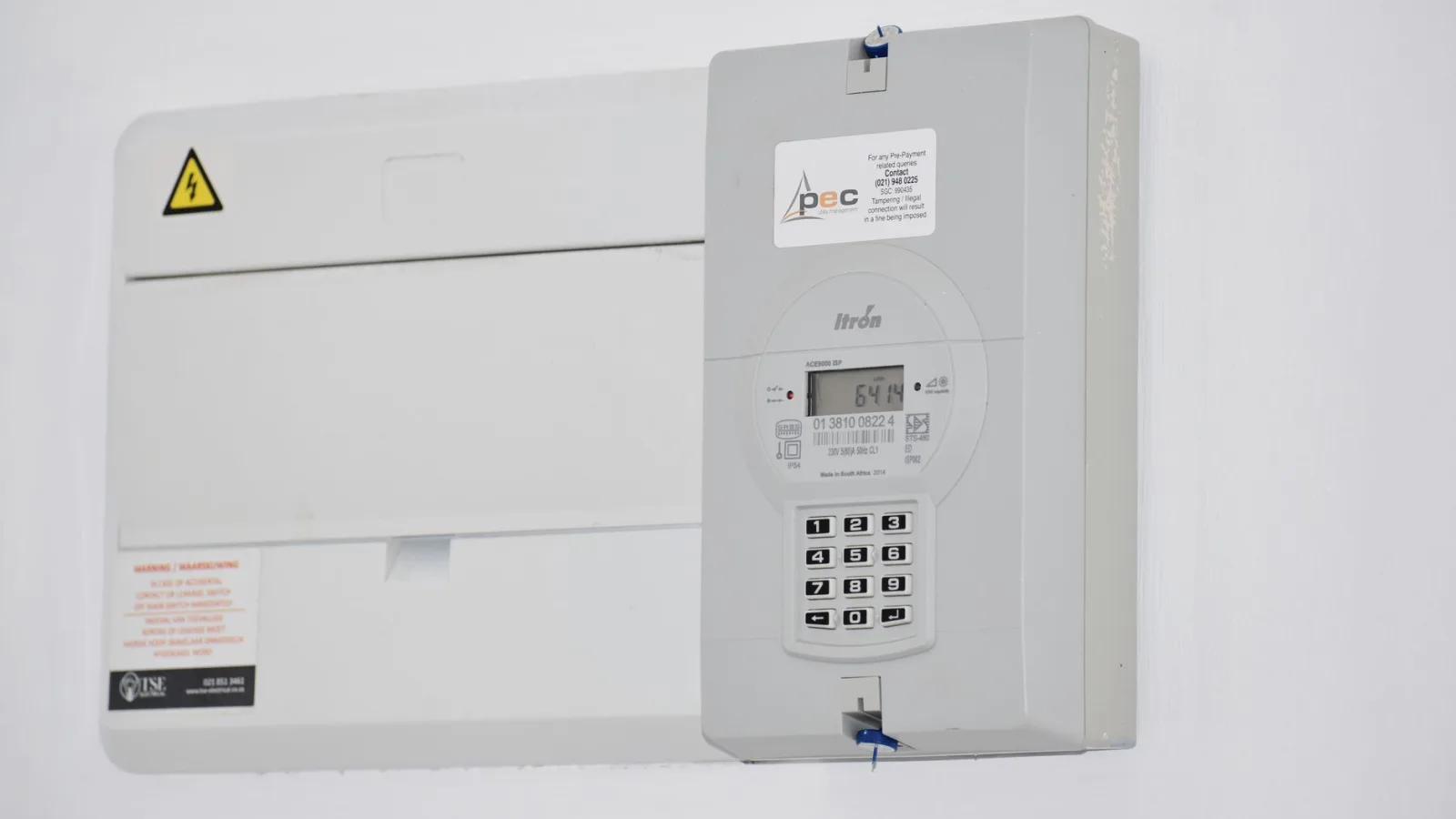
The first steps outlined in the roadmap to support a more flexible electricity system include several key policy and regulatory developments. These encompass Market-wide Half-Hourly Settlement, which will enable energy usage to be billed every 30 minutes, and the Smart Secure Electricity Systems programme, designed to help consumers access flexibility options.
Further initiatives include a consultation on consumer engagement in consumer-led flexibility, exploring ways to optimise and sustain uptake over the short, medium, and long term. A call for evidence on improving asset visibility seeks views on registering distributed energy assets such as heat pumps and electric vehicle charging points with distribution network operators, aiming to reduce administrative burdens and support flexible asset use.
Additionally, a response to the call for evidence on energy smart data confirms the government's continued work to consider introducing a smart data scheme for the energy sector. This scheme would facilitate the secure sharing of customer data with authorised third parties, at the customer's request, to foster the development of useful, innovative, and personalised products and services.
All figures presented are based on government analysis unless otherwise specified.