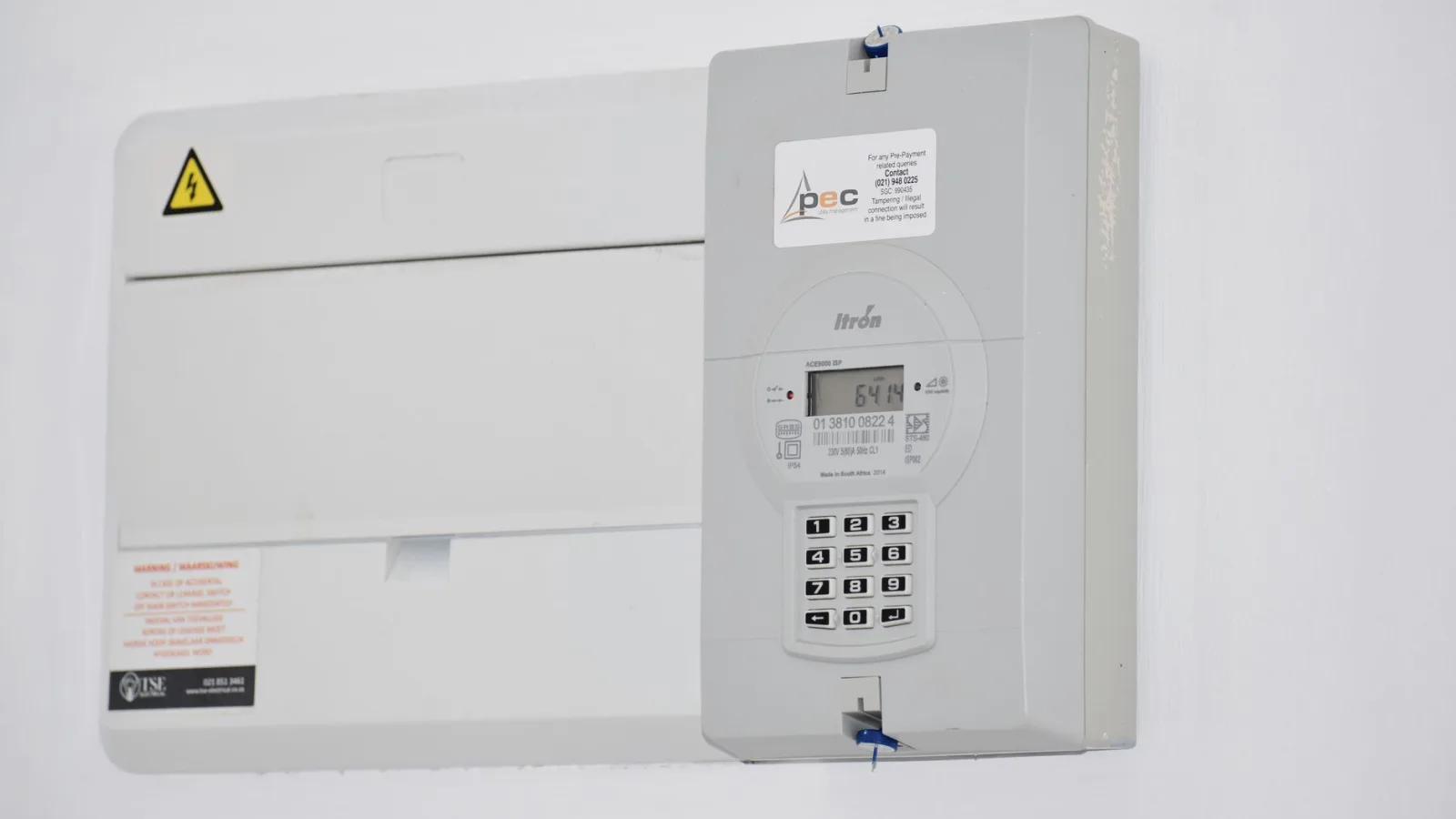
Household energy bills across Great Britain are projected to reach a three-year high this winter, with a planned government tax cut on electricity bills expected to be negated by rising wholesale costs.
Analysis by energy consultancy Cornwall Insight indicates that the energy price cap is set to increase by 4% from October. This would push the equivalent annual dual fuel bill for a typical household to £1,729 through the final three months of 2026, a significant increase that could particularly affect struggling households as winter approaches.
This forecast quarterly price cap would be the highest recorded since July 2023. The rise is attributed to soaring energy market prices originating from the Middle East, compounded by an increased reliance on expensive gas in power plants during recent heatwaves across Europe.
The escalating cost of gas is expected to more than offset the new Prime Minister’s recent promise to cut VAT from household electricity bills, which was due to take effect from October. This measure aimed to provide voters with "some breathing space" on living costs by reducing average annual bills by an estimated £45.
Craig Lowrey, principal consultant at Cornwall Insight, commented on the situation, stating: “It is a stark reminder that our energy bills remain tied to events thousands of miles away. Moments like this are the strongest argument for reducing Britain’s reliance on volatile international gas.”
Mr Lowrey added: “While temporary relief like VAT cuts help soften the blow, they don’t touch the underlying fact that Britain is heavily dependent on imports of natural gas. As long as we’re exposed to global markets, the risk of these price shocks will remain.”
Ofgem, the energy regulator, is scheduled to announce the new price cap next Wednesday. The regulator is responsible for determining the maximum price per unit of gas and electricity. This calculation is based on the cost of supplying energy to homes, factoring in the average wholesale market costs in the months leading up to the implementation of each new cap period.
According to Cornwall Insight’s estimations, electricity rates are predicted to increase from 26.11p per kilowatt hour (kWh) to 26.57p per kWh for direct debit customers. Gas charges are also forecast to rise from 7.33p per kWh to 7.90p per kWh for the same payment method.
These figures translate to an equivalent annual dual fuel bill of £1,729 for a typical UK household under Ofgem’s updated methodology, which assumes reduced energy consumption by households. Under the previous calculation method, Cornwall Insight noted that the price cap would have risen to £1,940.69 from October, up from £1,862 in the preceding three months from July.
“Rising energy bills aren’t welcome at the best of times, but with winter approaching, this latest hike will hit struggling households especially hard,” Mr Lowrey reiterated.
The consultancy further projects that bills are likely to increase again in January, based on current market prices. However, this outlook is subject to potential changes depending on future developments in the Middle East.
Jess Ralston, head of energy at the Energy and Climate Intelligence Unit (ECIU), remarked: “To many households this will feel like a horrible reminder of the first gas crisis after Russia invaded Ukraine. What’s even more worrying is that wholesale gas prices have reached a near four-year high, which is likely to cause more increases to future bills.”
Ms Ralston also highlighted the UK’s continued reliance on gas for home heating, stating that it was “a particular concern as although electric heat pump sales are on the up, we still lag behind European neighbours going further and faster to reduce gas dependence.”
A government spokesperson addressed the concerns, stating: “We’re acting to give consumers breathing space with the cost of living – cutting VAT on energy bills, ensuring around 6m households get the £150 warm home discount this winter, and making millions of homes cheaper to run through our warm homes plan.”
The spokesperson concluded: “Alongside our efforts to support rapid de-escalation in the Middle East, we will do everything we can to shield consumers from global energy shocks and bring down bills for good.”