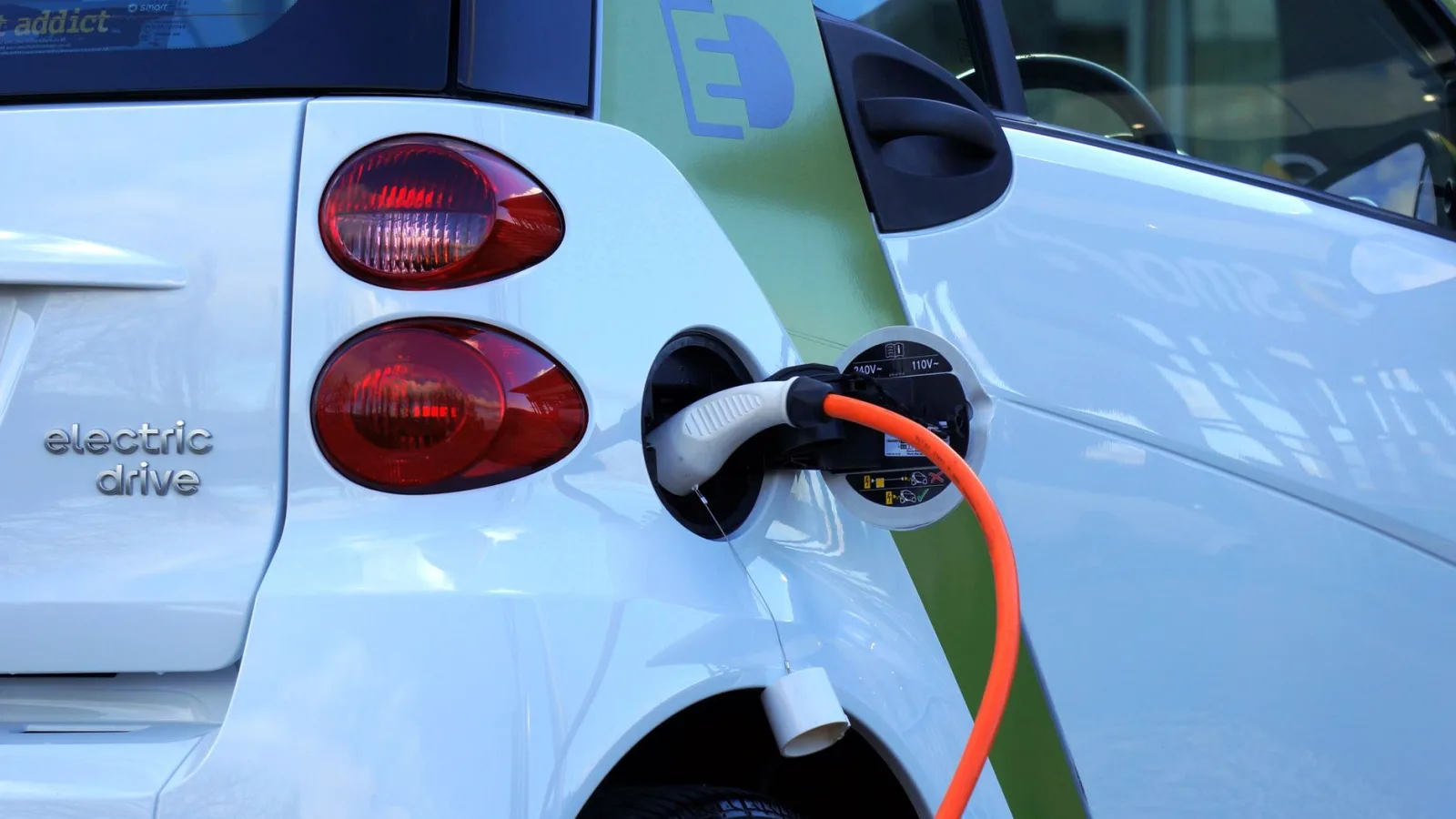
Households considering a home electric vehicle charger are being urged to check the practical details before committing to installation, as the wrong position, power setup or electricity tariff can add avoidable costs later.
Charging an electric car at home is usually more convenient than relying on public charge points, particularly for drivers who have off street parking and can plug in overnight. It can also be cheaper, especially where households use an electricity tariff with lower overnight rates. But the saving depends on getting the installation and tariff right from the start.
Homebuilding & Renovating has highlighted four checks for households planning a charger: where the unit will be placed, whether the home’s electrical supply is suitable, how the charger will be housed, and whether the household is on an appropriate energy tariff.
The first issue is location. A charger is not something most people will want to move once fitted, because relocating it means more electrical work and extra labour. Before choosing a wall or post position, households should think about how they use their driveway now and whether that may change.
That means considering where the car is normally parked, whether a second electric vehicle may be added later, and whether future changes to the drive, garage or front garden could leave the charger in an awkward place. Cable length also matters. A charger that looks well placed on the day it is installed may be less useful if the parking layout changes or if the household switches to a different car with a charging port in another position.
For families with narrow drives, shared access or more than one vehicle, it may be worth spending time on the layout before asking an installer to quote. The aim is to avoid trailing cables across walking routes, blocking access, or having to reverse into a space every time simply to reach the socket.
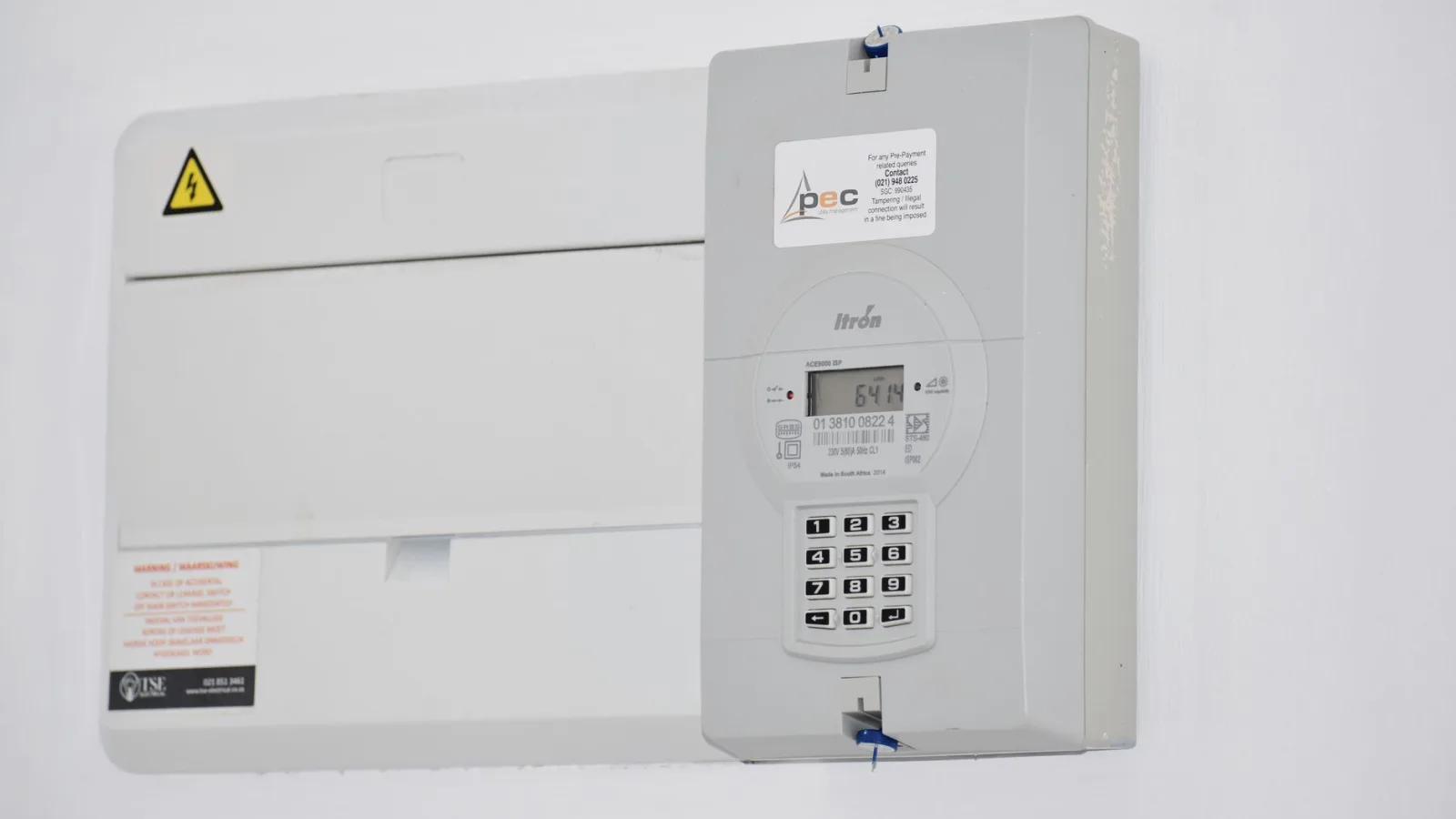
The second check is the home’s electrical capacity. Many domestic chargers are around 7kW to 7.4kW and need a suitable supply and circuit. In practical terms, that means the installer must assess the consumer unit, earthing arrangements, cable route and the overall electrical load in the home.
This is not a job to treat as a simple plug in appliance. A qualified installer should confirm whether the existing setup is adequate and whether any changes are required before the charger can be fitted safely. In some homes, extra electrical equipment may be needed. In others, the local electricity network operator may need to be notified or consulted, depending on the installation.
For household budgets, this matters because the charger itself is only part of the cost. The final bill can be affected by how far the charger is from the consumer unit, whether cabling is straightforward, and whether upgrades are needed. A low headline price may not include all the work required at a particular property.
Households should ask for a clear quote that explains what is included, what could cost extra, and whether any remedial electrical work is likely. Photos or a site survey can help the installer assess the job more accurately. Anyone living in a flat, rented home or property with shared parking should also check permission and any grant eligibility through official channels before ordering equipment.
The third issue is protection and appearance. A charger fixed to the front of a home or garage will be visible every day, so households may want to think about where it sits and whether it needs a cover or enclosure. Weather resistance should be part of the product specification, but the unit still needs to be installed in a sensible position where it can be used safely and maintained when needed.
Some chargers are designed to look more discreet than others, and separate covers are available for some models. This is not only about appearance. A tidy installation can reduce the chance of cables being left loose, damaged or in the way. The charger should remain easy to access, with enough space to plug in without stretching the lead or placing strain on the connector.
The final check is the electricity tariff. A home charger will increase electricity use, so households should compare tariffs before assuming the running costs will be low. Some suppliers offer electric vehicle tariffs with cheaper off peak electricity, usually during overnight hours. These can work well for drivers who can charge while they sleep and do not need to top up during peak periods.
However, tariffs vary and the best option depends on the household’s wider energy use, not just the car. A tariff with a low overnight rate may have different daytime rates or standing charges. Households should compare the full cost against their normal pattern of electricity use, including heating, cooking, appliances and any home working during the day.
Drivers should also check whether their vehicle and charger are compatible with smart charging features offered by a supplier. Smart charging can help shift charging into cheaper periods, but it relies on the equipment, app and tariff working together. It is better to confirm this before installation than to discover later that a preferred tariff does not support the chosen setup.
For many households, the main benefit of a home charger is predictability. Being able to charge overnight can make weekly travel easier to plan and may reduce reliance on more expensive public charging. But the upfront decision affects long term value. A poorly positioned charger, an underestimated electrical job or the wrong tariff can weaken the financial case.
Anyone planning to install a charger should start by checking the parking layout, then get a qualified assessment of the electrical supply, ask for a detailed quote, and compare energy tariffs before the work goes ahead. Taking those steps early can help households avoid extra costs and make home charging more practical from the first day it is used.