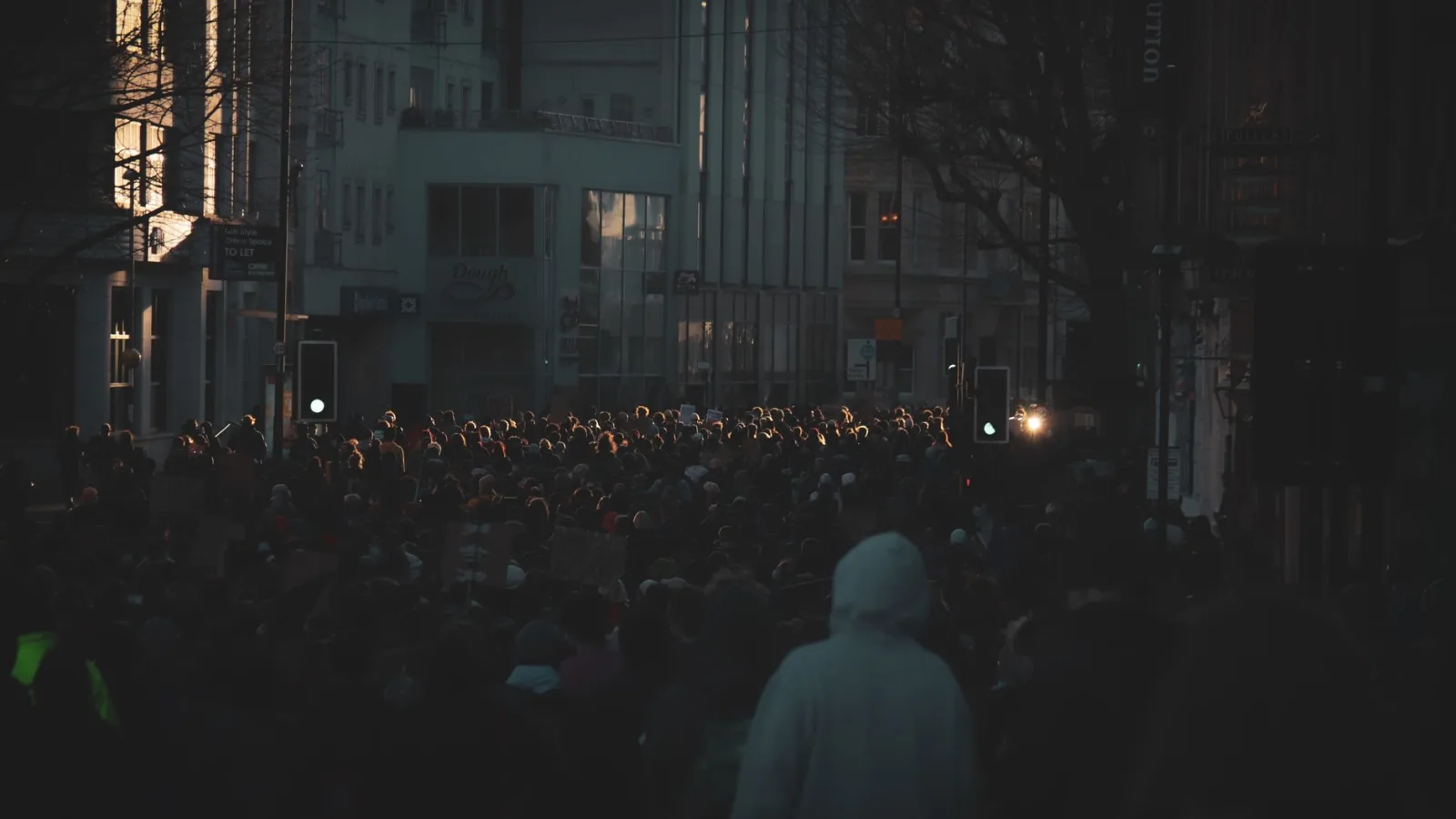
Prime Minister Andy Burnham has opened a Manchester base for Downing Street as part of a wider promise to move more political decision making and public investment away from London.
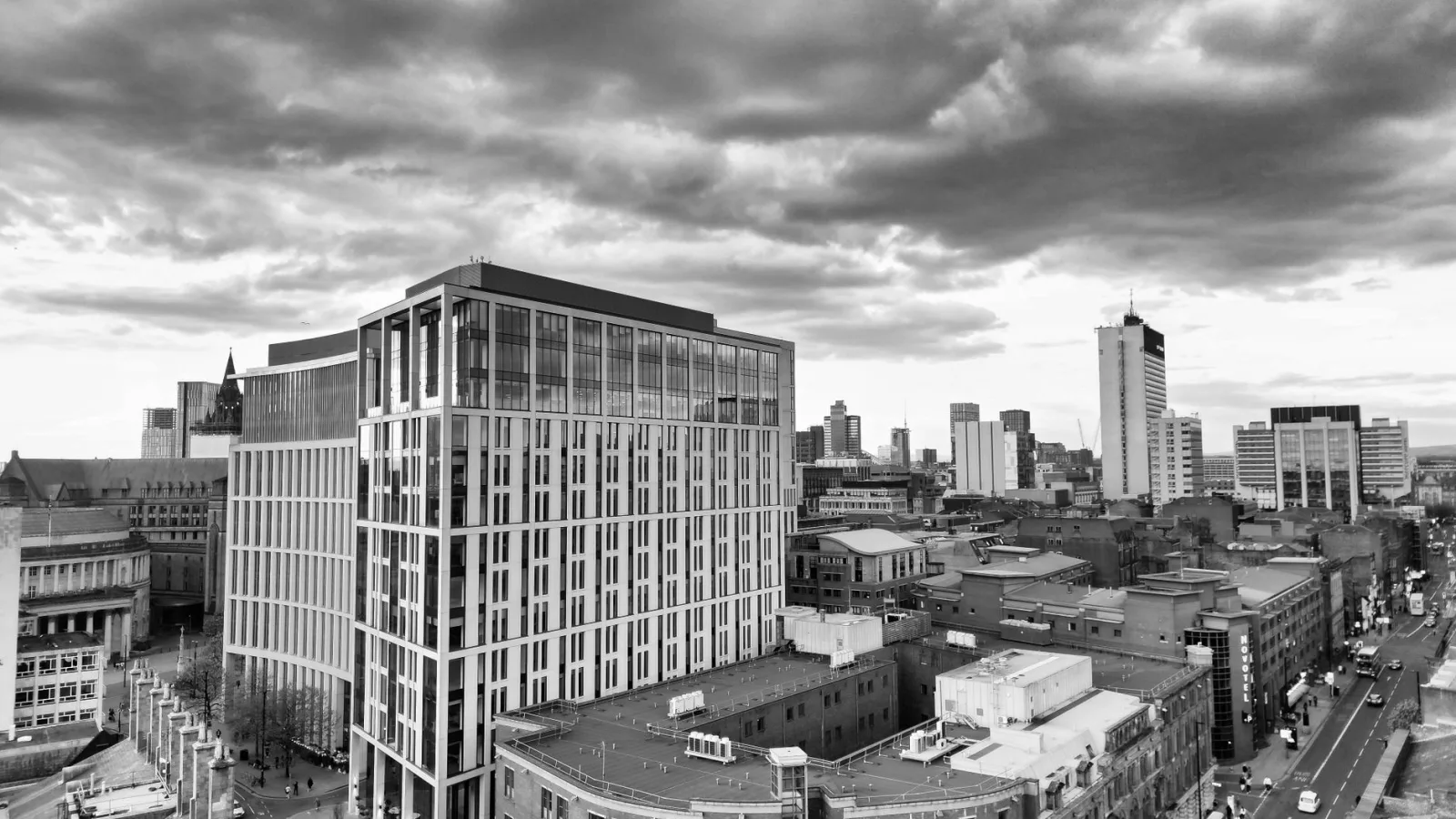
The office, referred to by the government as “No. 10 North”, is based in a modern building in Manchester, around 165 miles from 10 Downing Street. Burnham has said he plans to work from the site at least one day a week, supported by a permanent team of advisers, officials and policy specialists.
The move is intended to signal a change in how central government works with cities and regions. Burnham, who previously served as mayor of Greater Manchester, has argued that local leaders should have more control over housing, transport, skills, public services and economic development in their areas.
Speaking on Friday, Burnham said the Manchester office was not simply an additional workplace, but part of a broader change in the way government approaches growth and investment. He has described the site as a northern counterweight to Westminster, although critics have questioned whether the change will produce practical results beyond symbolism.
The immediate policy test will be whether the government follows the new office with meaningful powers and funding. Burnham announced on Friday that mayors would be allowed to retain a greater share of income tax and business tax revenue raised in their areas. He described the plan as the largest transfer of power, funding and responsibility from Westminster in a generation.
However, key details have not yet been set out. The government has not confirmed how much extra money mayors will receive, how the system will operate, which areas will benefit first, or what safeguards will apply to regions with weaker tax bases. Those details will be central to whether the policy changes local services or simply alters the language around devolution.
For households, the practical importance lies in how local authorities and mayors could use greater control over budgets. More local funding could influence bus services, tram networks, road maintenance, affordable housing schemes, adult skills courses and local regeneration projects. It may also affect how quickly areas can respond to problems such as declining high streets, poor public transport links or shortages in training for local jobs.
The proposal fits with Burnham’s record in Greater Manchester, where he promoted a model based on drawing in private investment while expanding local control over transport and public services. During his time as mayor, Manchester city centre saw major development, growth in service industries and the expansion of a publicly controlled bus and tram network.
Supporters of the approach say Manchester’s experience shows that regions can make stronger decisions when they are given more authority. They argue that decisions on transport, housing and training are often best made by leaders who understand local labour markets, commuting patterns and community needs.
Rose Marley, chief executive of Co-operatives UK, welcomed the shift in government presence outside London after attending a meeting at the new office. She said it was refreshing not to have to travel to the capital and suggested that officials based in Westminster may better understand transport costs and unreliable rail links when they have to make the journey in the opposite direction.
Marley also compared the potential effect to the BBC’s decision to move some production to Salford, saying that relocation helped bring different regional voices into national conversations. Her view reflects one of the arguments for No. 10 North: that policy making may change if more meetings, briefings and decisions take place outside Westminster.
Political analysts have noted that the UK remains one of the more centralised developed democracies, with significant control over tax and spending held by central government. Rob Ford, professor of political science at the University of Manchester, said Burnham’s early moves suggested he was serious about changing the mechanics of government, but warned that doing so would be a substantial task.
There are also questions about whether a Manchester base can represent the whole of northern England, let alone the wider country. Ford said cities such as Liverpool, Leeds and Sheffield may not view an office in Manchester as an office for them. That concern will matter if the government wants to show that its devolution agenda is national rather than centred on one city.
Manchester’s own record also presents a mixed picture. While the city centre has expanded rapidly, not all surrounding areas have seen the same benefits. Critics argue that economic growth has not reached every community, and that dissatisfaction over jobs, living costs and local services has contributed to support for opposition parties, including Reform UK.
The current No. 10 North site is expected to be temporary. The government’s longer-term plan is for a new headquarters linked to an inner-city redevelopment project. For now, the office shares a building with other tenants, including a pub, a civic register office and a branch of the cyberintelligence agency GCHQ.
The contrast with 10 Downing Street is deliberate. The London office is a centuries-old townhouse that has been adapted over time into the centre of modern government. Burnham’s Manchester site is intended to show a different working model, with officials operating closer to regional leaders, businesses and public bodies outside the capital.
The policy will now be judged on delivery. If mayors receive clearer powers and reliable funding, the change could have practical consequences for local transport, housing, skills and public services. If the financial detail falls short, No. 10 North may be remembered more as a political symbol than a lasting shift in how the country is governed.