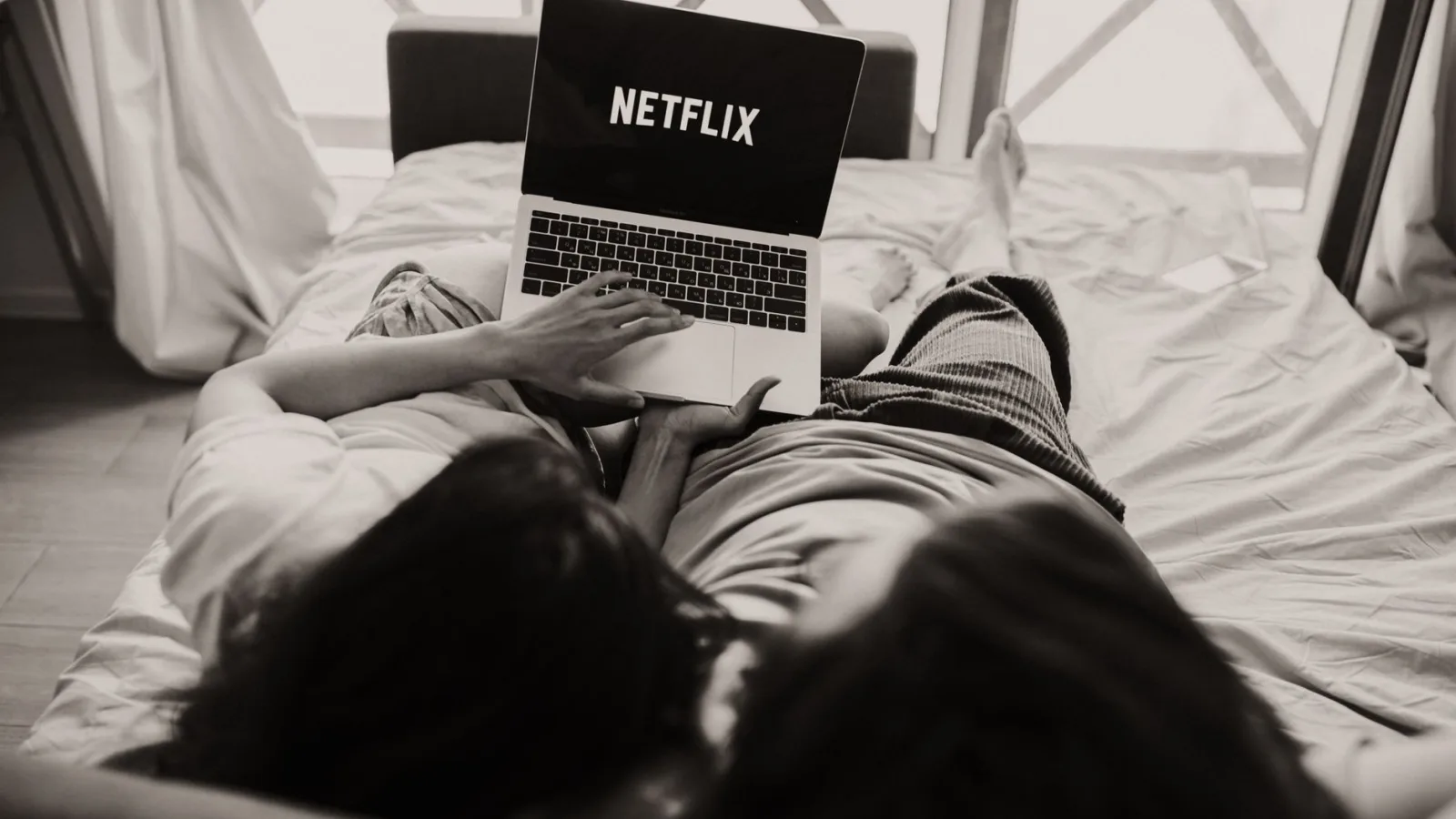
The government is reportedly planning to extend the BBC licence fee to cover online streaming services such as Netflix, Amazon, Disney+, and YouTube, according to proposals expected in an upcoming white paper.
The white paper, anticipated before Christmas, forms part of the BBC charter renewal process and aims to overhaul the current funding model to reflect evolving audience consumption habits and increase revenue. The proposed changes have been unofficially referred to as a ‘YouTube tax’, given the platform's significant presence in the UK market.
A senior Whitehall source, speaking to The Independent, indicated that the expansion of the licence fee to streaming platforms is intended to address instances where individuals currently avoid payment by accessing content via phones, tablets, or computers.
Currently, the licence fee is primarily levied on households watching live television on any platform or using BBC iPlayer. Other online providers, including Netflix, Amazon, Disney+, and YouTube, as well as all other streaming content, are presently exempt. Under the proposed reforms, this exemption would be removed, expanding the scope of the fee to cover these services.
The Whitehall source explained the rationale, stating, “It’s not fair that people are essentially able to watch television content but avoid the licence fee.”
Any new funds generated under the plan are understood to be earmarked for supporting local journalism and counteracting misinformation, which the source said has fuelled the rise of parties such as Reform UK.
The source attributed previous delays in charter renewal talks to the former administration. They added, “But now we have had a change of prime minister, we are able to press ahead with the plan to expand it to streaming platforms.”
The nickname ‘YouTube tax’ arises from the platform’s extensive reach in the UK, boasting approximately 55 million users and a 79 per cent market penetration.
This initiative comes amidst a financial crisis for the BBC, driven by concerns that millions of people may cease paying the current annual licence fee of £180. The fee is currently free for individuals aged 75 and older who receive pension credit, and is offered at a 50 per cent discount for the visually impaired.
Recent figures show a decline of approximately 539,000 TV licences in force in the year leading up to 31 March 2026, marking a drop of around two million over the past five years.
BBC Director-General Matt Brittin has previously vocalised the need for a modernised funding model, asserting that the existing licence fee is “no longer fit for purpose.” Speaking on BBC One’s Sunday With Laura Kuenssberg, Mr Brittin emphasised that the corporation was being “held back” by the current system and suggested it could be replaced by a household levy.
He expressed a desire for BBC content to be accessible “on Netflix, on YouTube, on TikTok, on Spotify, and Instagram, and everywhere where audiences are,” particularly news, which he described as part of “disinfecting misinformation.”
The BBC has been navigating spending cuts, including a 10 per cent staff reduction at its flagship Newsnight programme. Despite collecting between £3.8 billion and £3.9 billion from the licence fee, the broadcaster reported an operating deficit of £121 million for the 2025/26 financial year.
It is estimated that an additional three to four million households could become liable for the licence fee if the expansion to streaming services is implemented.
However, the Whitehall source reiterated that the increased revenue from this levy would not be directed towards plugging the BBC's own spending shortfalls. “The money needs to be used to help support local journalism and counter a lot of the conspiracy theories and fake news which we have seen help parties like Reform getting elected in different parts of the country,” the source stated.
A BBC spokesperson commented on the ongoing situation, stating, “We have consistently argued that the current funding model is outdated and needs reform. We will continue to engage with government to secure a new charter that provides sustainable, sufficient and universal funding so the BBC can deliver for audiences for generations to come.”
The renegotiation of the Royal Charter, which governs the BBC’s operations and funding, is being overseen by the Department for Culture, Media and Sport (DCMS), led by Culture Secretary Lisa Nandy. The current charter is set to expire in December 2027.
A DCMS spokesperson confirmed the government's position, saying, “The BBC must be funded by a model that is sustainable and fair to all those that are paying it. Through Charter Review, we are looking at a range of options, including how the licence fee could be reformed, but no final decisions have been made.”