The NHS in England has begun a phased rollout of free cholesterol tests, alongside the offer of blood pressure checks, in participating high street pharmacies for people aged between 40 and 84. The move follows a pilot scheme in north London in which nearly 2,500 patients were screened across 61 community pharmacies.
According to Professor Devi Sridhar, chair of global public health at the University of Edinburgh, the pilot found that 19% of those checked were at high risk of a heart attack or stroke and were subsequently offered advice or referred for medical treatment.
Writing about the scheme, Professor Sridhar described the initiative as "a brilliant policy move", noting that it is convenient, relatively inexpensive, and reduces pressure on GPs and hospitals while helping to prevent avoidable illness and death. She said the tests allow the health service to identify people at risk of serious conditions before they become seriously unwell, rather than only treating them once symptoms or emergencies occur.
The rollout comes amid longstanding concerns about how NHS funding in England is allocated. Professor Sridhar noted that resources have increasingly shifted towards acute hospital care – treating people once they are already ill – while funding for primary care services such as GP surgeries has declined. She argued this has left the NHS paying disproportionately for expensive disease treatment rather than investing in early prevention.
Professor Sridhar said the new pharmacy checks represent a positive step but proposed that community pharmacies could offer a more comprehensive annual health assessment, describing it as a "five-point health MOT" comparable to the compulsory annual safety check required for vehicles.
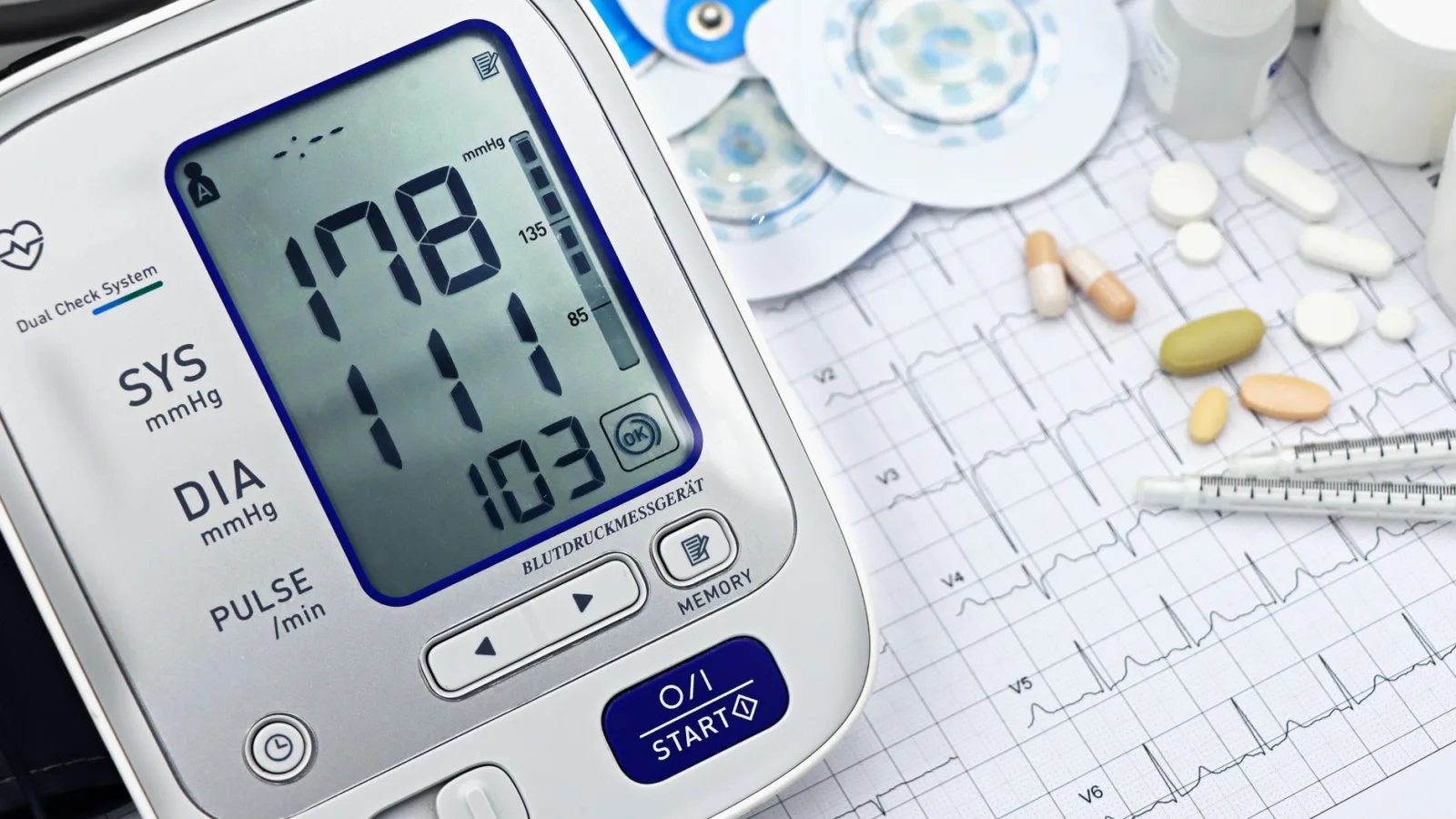
The first element she recommends is a blood pressure test, which measures the pressure blood places on the walls of arteries and the wider cardiovascular system. High blood pressure, or hypertension, is often referred to as a "silent killer" because it can cause internal damage without any noticeable symptoms.
The second measure suggested is a simple waist circumference check. Professor Sridhar said this is not about appearance, but about where the body stores fat, which can be more significant for health than overall weight. Visceral fat stored around the abdominal organs has been linked to high blood pressure, insulin resistance and heart disease. She said that, for good health, waist measurements should generally stay below 50% of a person's height.
The third recommended check is the cholesterol finger-prick test now being introduced by the NHS. This test can indicate long-term cardiovascular risk and help determine whether dietary changes or medication, such as statins, are needed to reduce LDL cholesterol, commonly referred to as "bad" cholesterol.
Alongside this, Professor Sridhar suggested adding a glucose or HbA1c finger-prick test, which measures average blood sugar levels over the previous two to three months. This test can help identify people at increased risk of type 2 diabetes. As with hypertension, she noted that pre-diabetes and early-stage type 2 diabetes can develop without noticeable symptoms, making early testing valuable.
The fifth element proposed is a basic fitness assessment. Professor Sridhar acknowledged there is no single perfect method of measuring fitness, but suggested that a one-mile brisk walk on a treadmill, combined with counting how many press-ups a person can complete in a minute, could offer useful insight. She said the walking test can indicate cardiovascular fitness – how effectively the lungs, heart, blood vessels and muscles work together during exercise – while the press-up test can offer a broader sense of strength, muscular capacity and long-term health risk.
Professor Sridhar said that combining the results of these checks with information such as smoking status, alcohol consumption, age and family medical history could provide a reasonably accurate and low-cost snapshot of an individual's overall health.
She acknowledged that expanding pharmacy-based testing in this way would involve additional costs, but argued that it could ultimately save the NHS money in the longer term by preventing the need for more expensive treatment further down the line.
The NHS has said the cholesterol and blood pressure checks will continue to be rolled out nationally in pharmacies as part of efforts to identify people at risk of heart attacks and strokes earlier, and to refer them for appropriate advice or treatment.