
New data from the World Cancer Research Fund (WCRF) indicates a concerning increase in cancer diagnoses among individuals under the age of 50. While a cancer diagnosis is challenging at any stage of life, it poses a particular burden for younger age groups, where most people typically experience good health.
The findings highlight overlapping trends observed across England, the Netherlands, and the United States, including a notable rise in the incidence of colorectal, or bowel, cancer. In England, increases have also been recorded for uterine and kidney cancers in younger populations.
Despite these trends, cancers remain relatively rare in young people, with diagnoses among those in their 20s, 30s, and 40s occurring at a rate approximately ten times lower than in adults aged 50, 60, and 70. Improved early detection is considered one factor contributing to the rise in younger patient diagnoses. Diagnosing cancers sooner is a stated policy objective in England, aimed at addressing higher mortality rates compared to other European nations, which are partly attributed to late diagnosis and lower screening uptake.
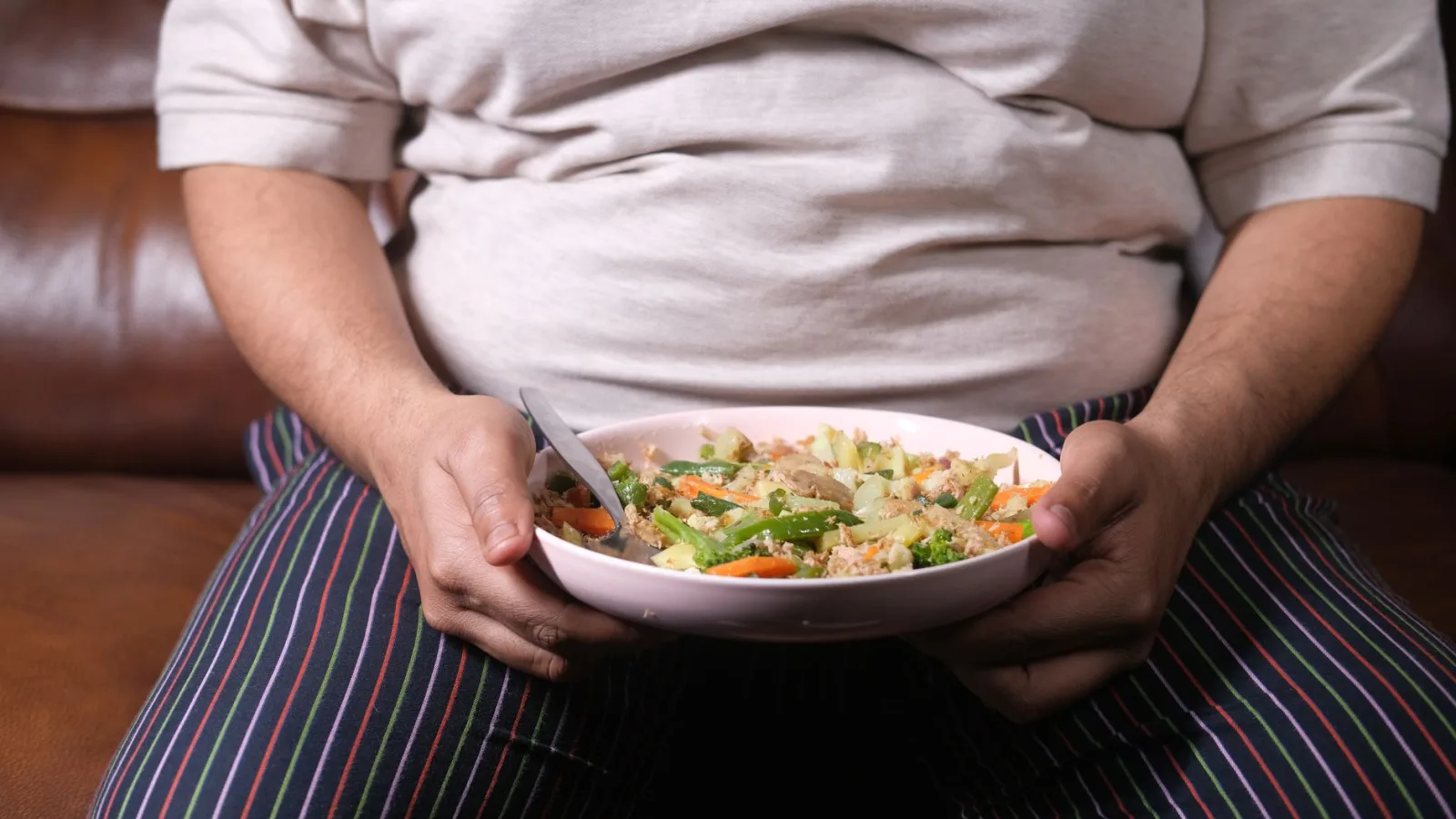
However, diagnostic advancements are not believed to be the primary cause of the overall increase in cases. Ongoing research continues to explore the reasons behind the rise, but existing evidence strongly suggests that obesity and poor diet are significant contributing factors, not only to various cancers but also to heart disease and type 2 diabetes.
Further investigation into this link is underway, with the Prospect-UK trial currently recruiting 250,000 participants for a longitudinal study focusing on early-onset (under-50) bowel cancer. This study aims to examine nutritional information in greater detail than previous research, including identifying foods that people are consuming less of.
Public health campaigns have previously demonstrated significant success in tackling major health risks. International efforts to reduce lung cancer rates by targeting smoking habits established a powerful precedent for public health intervention. Despite initial delays caused by tobacco industry lobbying, the approach of combining regulation with public messaging to encourage behavioural change is often considered a gold standard. The WCRF data confirms the continued decline in lung cancer rates among under-50s.
In contrast, efforts aimed at reducing obesity have not achieved a comparable impact. While patterns vary globally, with some countries experiencing a levelling-off after rapid increases, English-speaking nations, including the UK, generally report some of the poorest records. The lack of robust action in the UK on this issue has been identified as a significant disappointment in health policy over the past decade.
Political figures, from former Prime Minister Boris Johnson to current shadow health secretary Wes Streeting, have made commitments to address obesity through action plans. However, these plans have often been scaled back or diluted in the face of opposition from the food and drink industries. Last year, scientists wrote to Mr Streeting to express concerns that the government had done "virtually nothing" to inform consumers about the potential carcinogenic properties of nitrites used as additives in bacon and ham.
A stark irony exists as dramatic advancements in cancer research and treatment coincide with the observed rise in early-onset cancers. While these developments offer hope for many doctors and patients, policymakers and health authorities are urged to prevent a situation where some groups benefit from improved prospects while others face increased risks linked to socioeconomic disadvantages.
The close connection between obesity, diet, and poverty underscores the necessity for ministers to adopt a holistic view of public spending. This approach would acknowledge that the National Health Service (NHS) is not the sole institution capable of improving public health. While more research into early-onset cancers remains essential, existing data provides considerable insight. Governments are encouraged to demonstrate the same level of boldness in confronting the causes of obesity as they once did in tackling the tobacco industry.