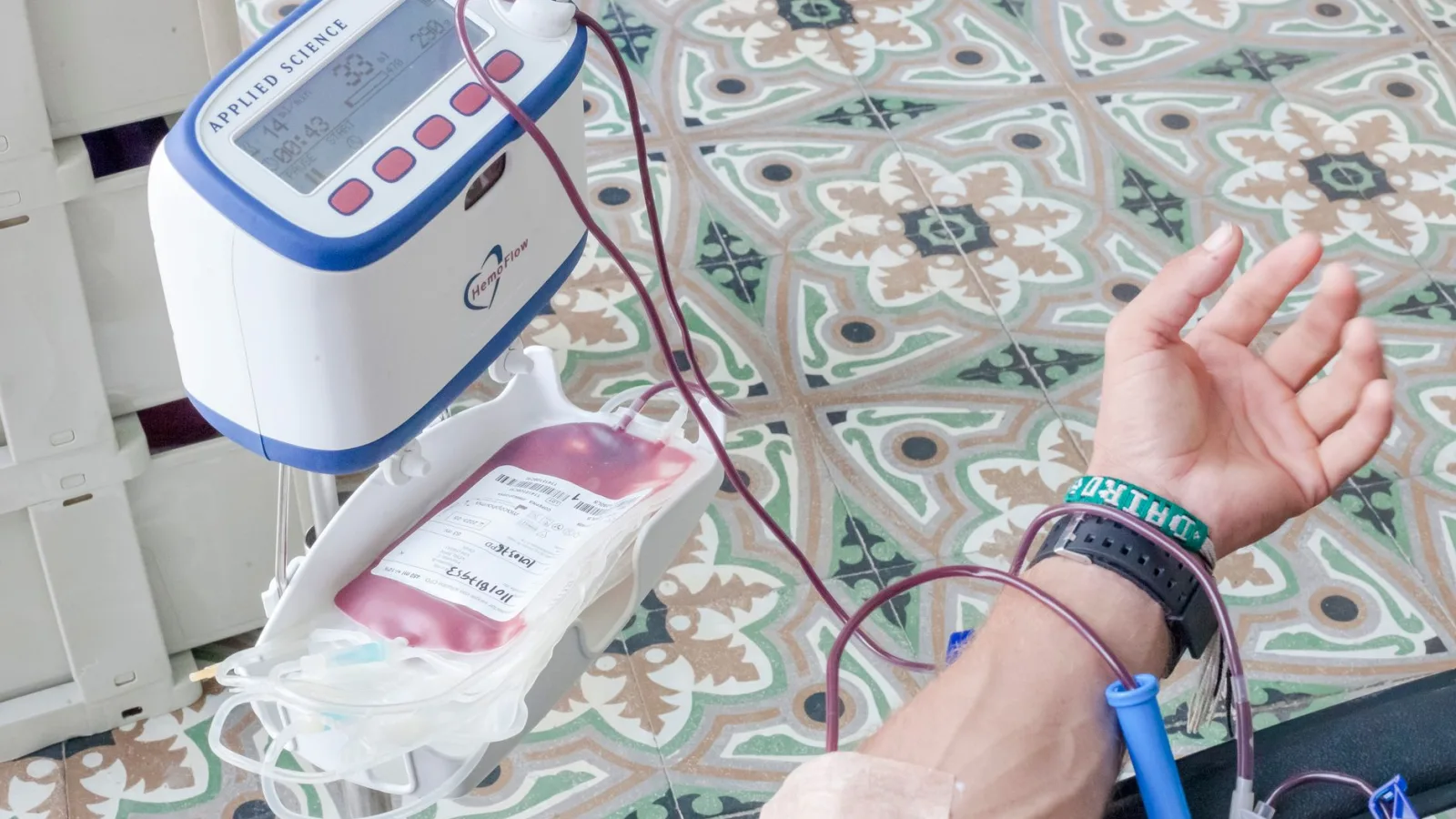
The NHS has issued an urgent appeal for an estimated 16,000 additional blood donors, specifically encouraging individuals of black heritage to come forward, to address a critical shortfall in supplies for patients with sickle cell disease.
Currently, NHS Blood and Transplant (NHSBT) states it is only able to meet approximately half the demand for the blood required to treat those living with the inherited condition.
The appeal coincides with the 20th anniversary of the nationwide rollout of newborn sickle cell screening across England, an initiative credited with transforming early diagnosis and ongoing management of the disorder.
Sickle cell disease is an inherited blood condition that causes the body to produce abnormally shaped red blood cells, which can restrict blood circulation. Symptoms include pain, fatigue, and painful swelling in the hands and feet. The illness is particularly prevalent among individuals with African or Caribbean ancestral backgrounds, with treatment often comprising medication alongside ongoing blood transfusions.
Screening for the condition is offered to every newborn baby via a heel-prick test, typically administered when the baby is around five days old. NHSBT reports that more than 19,000 individuals are presently living with the disorder in England.
To bridge the current gap in supply, NHSBT estimates that at least 16,000 new donors of black heritage are required. Meeting this target would necessitate an expansion of the existing donor pool by three-quarters.
Donors of black heritage are considered especially vital because they are significantly more likely to provide a precise match for those suffering from sickle cell disease. This is largely due to their being ten times more likely than white individuals to possess the Ro blood subtype, which is an essential component for treating the disorder.
Gerry Gogarty, Director of Blood Supply at NHSBT, highlighted the growing need. "With improvements to both diagnosis and treatment of sickle cell over the past twenty years, we now have more people with sickle cell reliant on regular blood transfusions than ever before," he stated.
Mr Gogarty emphasised the critical role of donors: "Blood donors play a vital role in keeping these patients alive and as well as possible, but the demand for blood to treat these patients is currently growing faster than we can collect and supply it."
He acknowledged the efforts made by the public, noting: "We have seen an incredible response from our amazing donors across the country, with the number of donors of black heritage rising by 120% over the past decade – but we still urgently need more people to come forward to become regular donors and help us give the very best treatment to even more patients."
Among those who have registered to donate is Yann-Elie Asket, a 22-year-old politics student from Greenwich, south London. Mr Asket was motivated to become a donor after losing his cousin to the condition.
"I still remember how much her passing changed our family and how deeply it affected the people closest to her, especially her parents," Mr Asket said. "When you lose someone so young, you realise just how precious life is and how important it is to do whatever you can to help someone else keep theirs."
With a friend also living with sickle cell disease, Mr Asket noted that blood donation offered a direct and practical way to provide assistance.
Iyamide Thomas, from the Sickle Cell Society and NHS engagement lead for the screening programme, also underscored the advancements and ongoing requirements. "The past 20 years have brought significant progress for people living with sickle cell disorder," Ms Thomas commented.
"Newborn screening means babies can be diagnosed before they become seriously unwell and connected to specialist care from the very beginning of their lives. We are now seeing the benefits of advances in treatment, including red cell exchange, which can make a profound difference to people who experience frequent and severe sickle cell crises. But these treatments depend on having access to a reliable supply of closely matched blood."
Ms Thomas concluded by reiterating the call for public support: "As the number of people living with sickle cell continues to grow, it is vital that we have enough blood donors to meet this increasing need. We particularly want to encourage more people of black heritage to come forward and donate. By giving blood regularly, donors can play a direct role in helping people with sickle cell live healthier and more independent lives."