
A new analysis published in the British Medical Journal has raised concerns that a UK-US agreement on branded medicines could cost the NHS far more than ministers have indicated, with possible consequences for wider health services if no additional funding is provided.
The analysis, written by three senior health researchers including a former adviser to the National Institute for Health and Care Excellence, argues that the agreement may require the NHS to spend substantially more on branded drugs over the coming years. NICE is the body that assesses whether medicines and treatments offer value for money for use in the NHS.
According to the source material, the agreement was reached between Downing Street and the White House in December. It is described as a deal under which the UK would spend more on branded medicines in return for the US not increasing tariffs on British pharmaceutical exports.
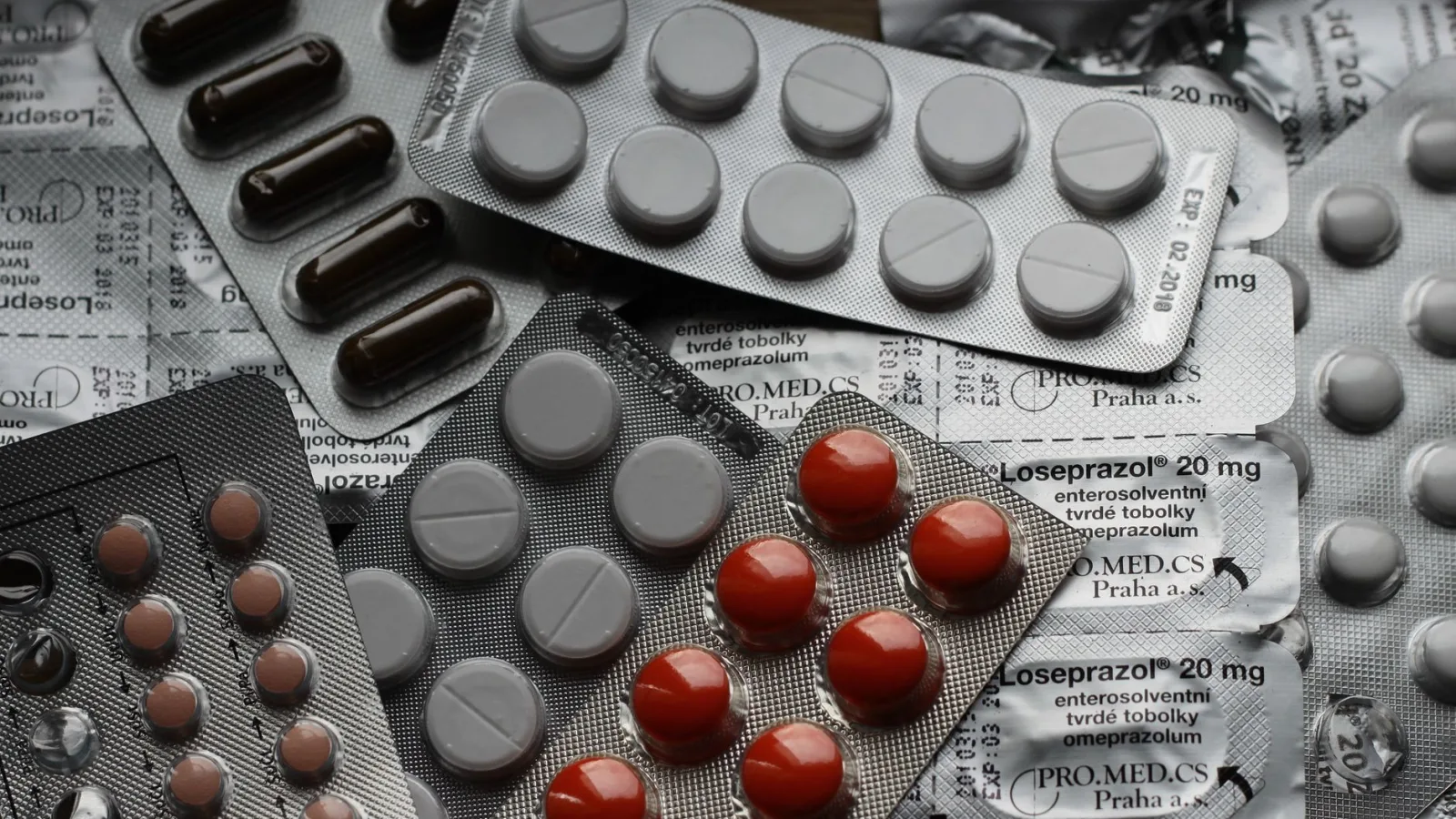
Branded medicines are drugs sold under a company’s brand name, often while they remain protected by patent. They are usually more expensive than generic medicines, which are chemically equivalent versions that can be produced after patent protections end.
The health researchers’ BMJ analysis suggests the agreement could cost nearly three times more in its early years than the figure previously given by Health Secretary Wes Streeting. The source material says Mr Streeting had described the expected cost as around £1 billion a year over the next couple of years.
The BMJ analysis estimates that, by the end of the decade, the additional cost could reach £44.7 billion. It also says spending on medicines as a share of national income would double over a decade, from 0.3% to 0.6%.
The Department of Health and Social Care has said it does not recognise the figures, according to the source material. Critics say the department has not published a full impact assessment setting out its own estimate of the costs or explaining how any extra spending would be funded.
The practical issue for patients is whether additional spending on branded drugs would be covered by new money from the Treasury or drawn from existing NHS budgets. If it came from within the health service’s current funding, researchers argue it could reduce money available for other care, including diagnostic scans, staffing, routine medicines and treatment services.
The BMJ analysis also includes a model of possible health effects based on previous research linking NHS spending levels with patient outcomes. It estimates that reduced spending elsewhere in the NHS could be associated with 229,000 additional deaths by 2036. This is a projection, not a recorded outcome, and depends on the assumptions used in the model.
The figure is likely to be contested because modelling long term health outcomes involves uncertainty. However, the analysis has added to pressure on ministers to publish more detail about the agreement and how it will affect NHS financial planning.
The source material says ministers have previously given assurances that NHS services would not be cut to fund the pharmaceutical agreement and that the NHS itself was not “on the table” in negotiations. The BMJ analysis challenges whether those assurances can be reconciled with the expected rise in medicine spending.
The way the agreement was brought into effect has also drawn criticism. According to the source material, the changes were implemented through a statutory instrument, a form of secondary legislation often used to make legal changes without the same level of debate as a full Act of Parliament.
Statutory instruments are a routine part of government, but they can be controversial when used for policies with large financial or public service consequences. MPs only debated the changes after they had already taken effect, with Labour MP Rachael Maskell describing the timing as “long after the horse has bolted”.
For the public, the concern is not only the price of medicines but how decisions are made about what the NHS can afford. The health service already has to balance spending on new drugs against other demands, including cancer diagnosis, hospital waiting lists, mental health care, GP access and community services.
More spending on new medicines can benefit patients if it improves access to effective treatments. But health economists usually stress that NHS budgets are finite, meaning higher prices in one area can create pressure elsewhere unless the overall budget rises to match them.
The current position is that the agreement is in force, the Department of Health and Social Care disputes the BMJ analysis, and calls are growing for ministers to publish a detailed assessment of the expected cost. No specific NHS service changes have been confirmed as a result of the deal, but the debate is now focused on transparency, funding and how any additional medicine costs will be met.