
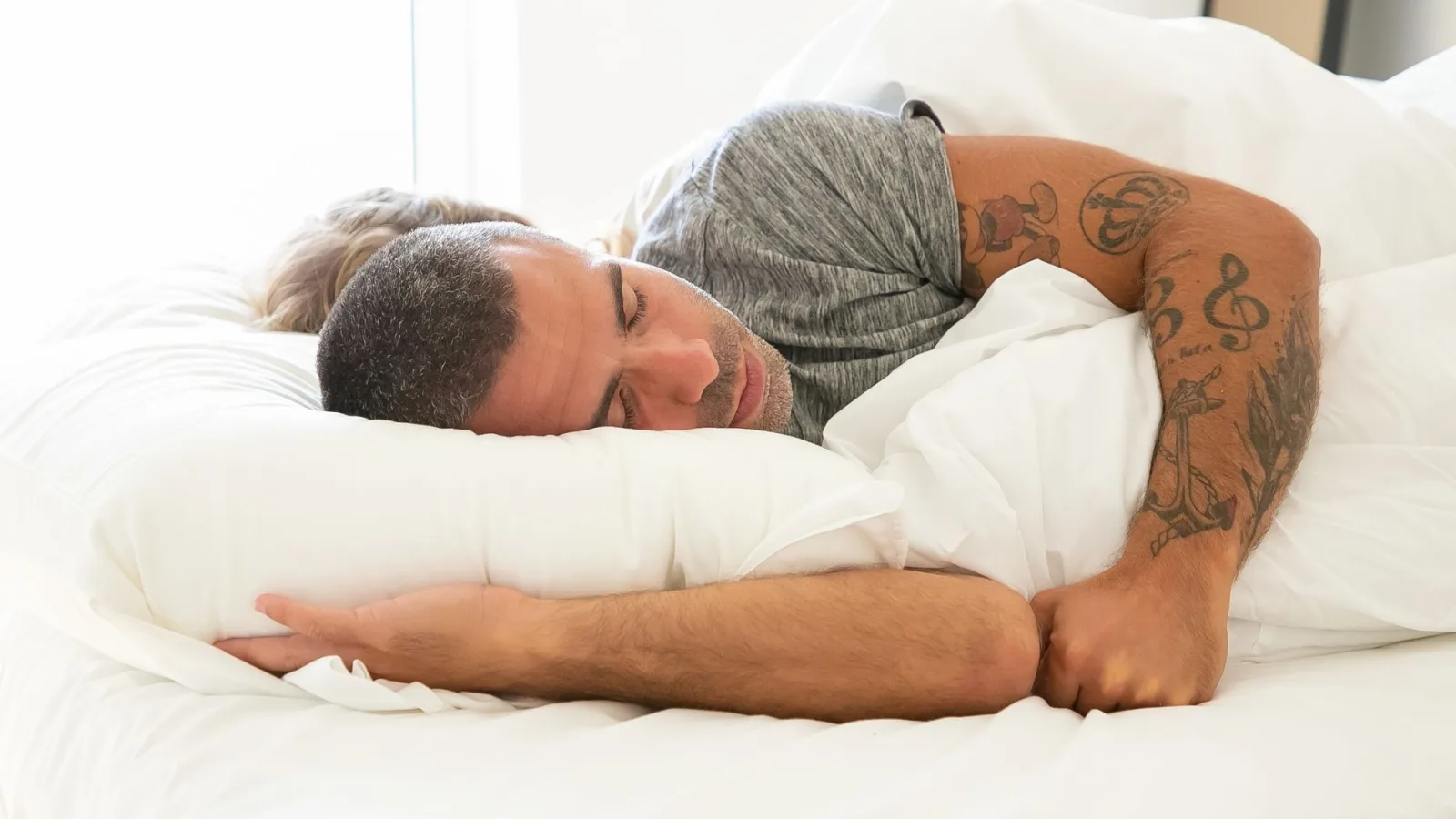
Snoring is a common cause of disturbed sleep for both the person affected and anyone sharing the same room. While it is often harmless, persistent or very loud snoring can have a practical impact on daily life, leaving households tired, irritable and less able to concentrate.
Clinically reviewed patient guidance describes snoring as the sound made when air cannot move freely through the nose and throat during sleep. As a person breathes, nearby soft tissues can vibrate. This may be more noticeable when the airway is partly narrowed, when someone sleeps on their back, or when muscles relax more deeply than usual.
For many people, snoring is linked to everyday factors rather than a serious medical problem. Alcohol before bed can relax throat muscles and make snoring more likely. Smoking can irritate the airways. Being overweight can add pressure around the neck and throat. Nasal congestion, allergies and colds can also make breathing through the nose harder at night.
Sleep position matters too. Snoring is often worse when someone lies on their back because the tongue and soft tissues can fall backwards slightly during sleep. Some people find that sleeping on their side reduces noise, although this will not address every cause.
The issue matters because poor sleep is not just an inconvenience. Regular broken sleep can affect mood, memory, work, driving, caring responsibilities and general wellbeing. It can also place strain on relationships when one person’s sleep is repeatedly interrupted by another person’s snoring.
Simple measures may help where snoring is mild and linked to lifestyle or temporary congestion. These include avoiding alcohol close to bedtime, keeping a regular sleep routine, treating nasal blockage where appropriate, and considering weight management if weight is contributing. Pharmacists can advise on products such as nasal strips or sprays, although these will not work for everyone and should be used according to the instructions.
People should be cautious about relying on one product as a guaranteed solution. Snoring can have several causes, and the most suitable approach depends on whether the sound is coming mainly from the nose, mouth or throat. A dentist may be able to advise on specialist mouth devices for some people, particularly where jaw position plays a role.
Snoring can sometimes be associated with obstructive sleep apnoea, a condition in which breathing repeatedly stops and starts during sleep because the airway becomes partly or fully blocked. The person may not remember waking, but their sleep can still be disrupted.
Possible warning signs include pauses in breathing noticed by someone else, choking or gasping during sleep, waking with a dry mouth or headache, and feeling very sleepy during the day despite spending enough time in bed. Daytime sleepiness can be particularly important for people who drive, operate machinery, work shifts or care for others.
Anyone with these symptoms should contact their GP or another appropriate healthcare professional. Assessment may include questions about sleep, general health, medication, alcohol use and symptoms during the day. In some cases, a sleep study may be arranged to measure breathing and oxygen levels overnight.
Treatment for sleep apnoea depends on severity and cause. Some people are advised to make lifestyle changes, while others may need a device to keep the airway open during sleep. Continuous positive airway pressure, known as CPAP, uses a machine and mask to deliver a steady flow of air. It is a standard treatment for some forms of obstructive sleep apnoea and can improve sleep quality when used as prescribed.
Children who snore regularly should also be taken seriously. Occasional snoring during a cold is common, but ongoing noisy breathing, mouth breathing, restless sleep or daytime tiredness may need medical assessment. Enlarged tonsils or adenoids can be one possible factor in children.
Good sleep habits can support overall rest, even if they do not fully stop snoring. Keeping bedrooms cool and comfortable, limiting screens before bed, reducing late caffeine and maintaining regular sleep and wake times can all help improve sleep quality. These steps may be useful for the whole household, not only the person who snores.
For now, occasional snoring without other symptoms is usually managed with practical changes and pharmacy advice. Persistent loud snoring, breathing pauses, gasping at night or significant daytime sleepiness should be discussed with a healthcare professional so that treatable causes, including sleep apnoea, can be properly assessed.