
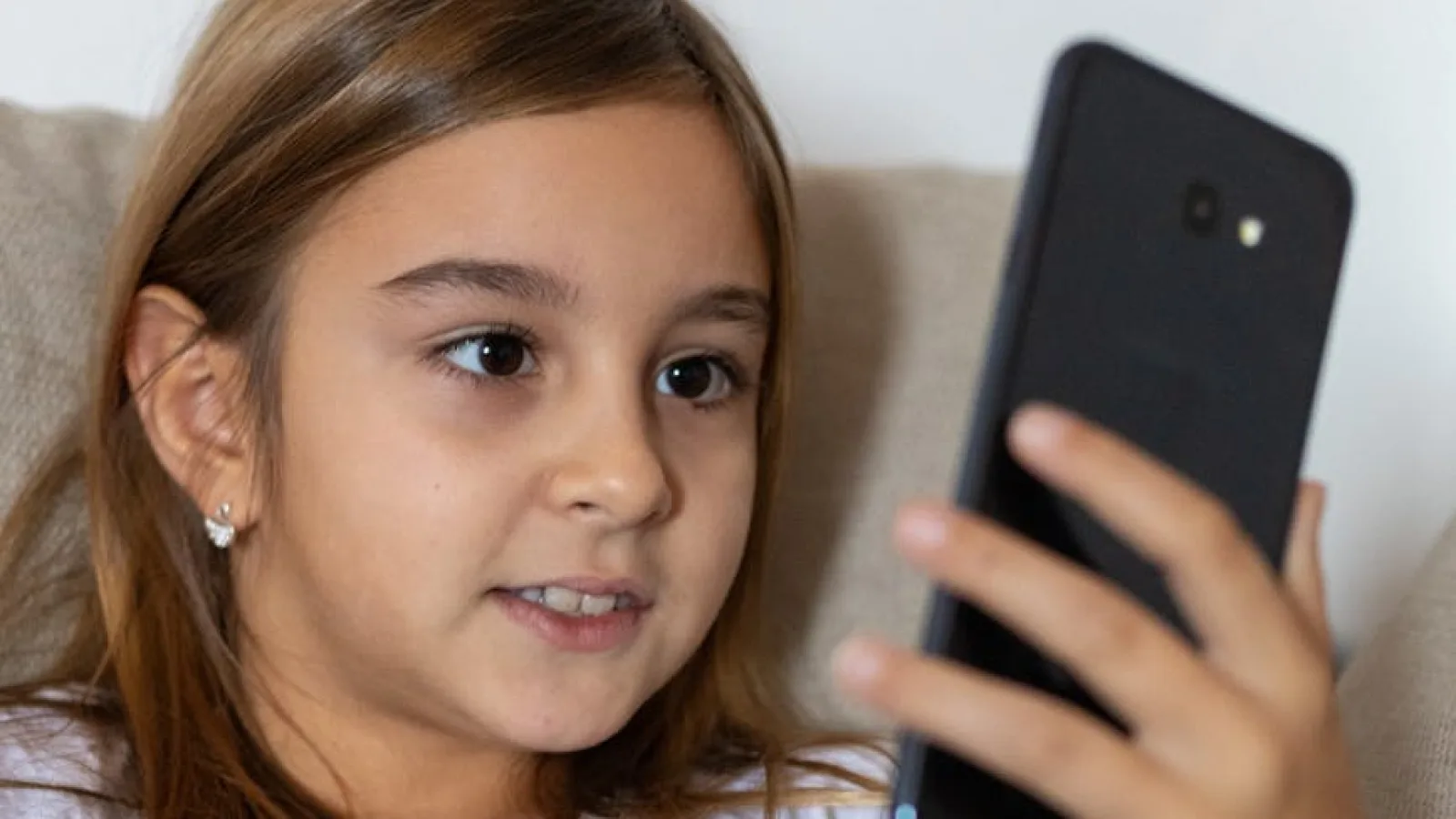
The UK's Academy of Medical Royal Colleges has highlighted social media use as a major health concern for children and young people, equating its risks with those of smoking. In a recent submission to a government consultation, the body called for doctors and health professionals to routinely ask young patients about their screen time and social media activity.
This development comes amid ongoing discussions led by the government about potential new regulations for social media platforms aimed at users under the age of 16. The consultation, which closes soon, has attracted over 70,000 responses from the public, charities, and campaign groups.
The submission from the Academy of Medical Royal Colleges draws attention to the physical and mental health issues linked to excessive social media use. These include exposure to extreme violent content, which can be distressing and harmful to young people's wellbeing. The organisation recommends that healthcare practitioners receive guidance on identifying harmful social media use and recording instances to help build understanding of how widespread these problems are.
Dr Emily Sehmer, a consultant child psychiatrist, told BBC Breakfast that the dangers of excessive social media use could be “much, much worse” than smoking. She emphasised how quickly children can encounter damaging content, sometimes within seconds, and noted that the age at which children are exposed is getting younger. She stressed the importance of health professionals discussing social media use with children in an open and non-judgemental way to better gauge its impact.
The government is considering various approaches as part of the consultation, including social media bans for under-16s, stricter age verification, curfews on app use during late-night hours and disabling features such as auto-play and infinite scroll which encourage prolonged screen time. Secretary of State Liz Kendall has indicated a formal response will be announced this summer, with implementation expected by the end of the year.
Australia’s recent ban on social media for children under 16 has informed parts of the UK debate. However, some campaigners raise concerns about the ban's effectiveness, citing reports that children in Australia have found ways to circumvent restrictions. This has led to suggestions that enforcing current laws and improving content standards may be more effective than outright bans.
Child safety organisations have proposed aligning social media content with the British Board of Film Classification (BBFC) standards, which already regulate cinema film ratings. BBFC Chief Executive David Austen said social media companies could apply similar classification systems to protect young users from inappropriate content.
Campaigners and bereaved families of young people who have suffered harm linked to social media are urging the government to act swiftly to raise the minimum access age to 16. Ellen Roome, whose son died aged 14, has described harmful social media as akin to a faulty product that should not be accessible until its safety is assured.
At the same time, voices within the sector urge a balanced approach. Ian Russell, chair of the Molly Rose Foundation, warned against “sledgehammer techniques like bans,” advocating for better enforcement of existing regulations instead.
Technology firms like Meta, which owns platforms including Facebook and Instagram, have suggested that age verification should be managed directly through devices to block underage downloads. However, Secretary Kendall reassured the public that government action would proceed, regardless of industry resistance.
Overall, this consultation and subsequent policy decisions signal a significant focus on protecting young people’s health by addressing the complex impact of social media use. Families, schools, and healthcare providers are encouraged to stay informed on new guidance, as this issue continues to evolve.
At present, there is no formal requirement for doctors to ask about social media use during consultations with young patients. The Academy of Medical Royal Colleges’ call for routine screening aims to fill this gap, allowing health professionals to identify and respond to harms more effectively. The government’s planned measures could introduce further safeguards within the next year.