A man arrested over one of the major wildfires burning near Spokane, Washington, had previously been linked to two other fire investigations, according to authorities and court records cited by US media.
Aaron Farinacci, 37, is being held on a first degree arson charge in connection with the Old Trails fire, the largest of three fires affecting the area around Spokane, the state’s second largest city. He appeared in court by video on Tuesday and did not enter a plea. His bond was set at $1m, equivalent to about £744,000.
The charge is an allegation and the case remains before the courts. Prosecutors say witnesses reported seeing Farinacci near railway tracks shortly before flames were seen in the area. Charging documents state he was later stopped near the scene and found with cigarettes, a butane lighter and a box of waterproof matches.
According to the documents, Farinacci denied starting the fire and denied being in the place where investigators believe it began. He was initially released while officials continued to examine possible causes.
Fire investigators later ruled out other potential sources, including train activity and electrical equipment, and concluded the fire was likely started in vegetation by matches or a lighter, according to the court papers. Spokane County Sheriff John Nowels said Farinacci had also come under scrutiny in two arson investigations last summer, although he was not charged in those cases.
Sheriff Nowels also said Farinacci has a previous manslaughter conviction. Court records cited by US media say he shot and killed his father in 2010, pleaded guilty to manslaughter and was released from prison in 2020.
The fires have caused extensive damage across communities near Spokane, a city of about 230,000 people in eastern Washington. Officials say more than 60,000 people have been told to evacuate and more than 700 buildings, including homes and businesses, have been destroyed.
Washington Governor Bob Ferguson described the situation as a “nightmare” and said it was likely to be the worst natural disaster in Spokane’s history. Spokane Mayor Lisa Brown warned that there remained a risk to life as crews worked to bring the fires under control.
Authorities have been trying to contact 14 people they have not been able to reach by mobile phone, though they have not been formally classified as missing. Sheriff Nowels said it was possible many had left the area but could not be reached because of poor signal or flat phone batteries.
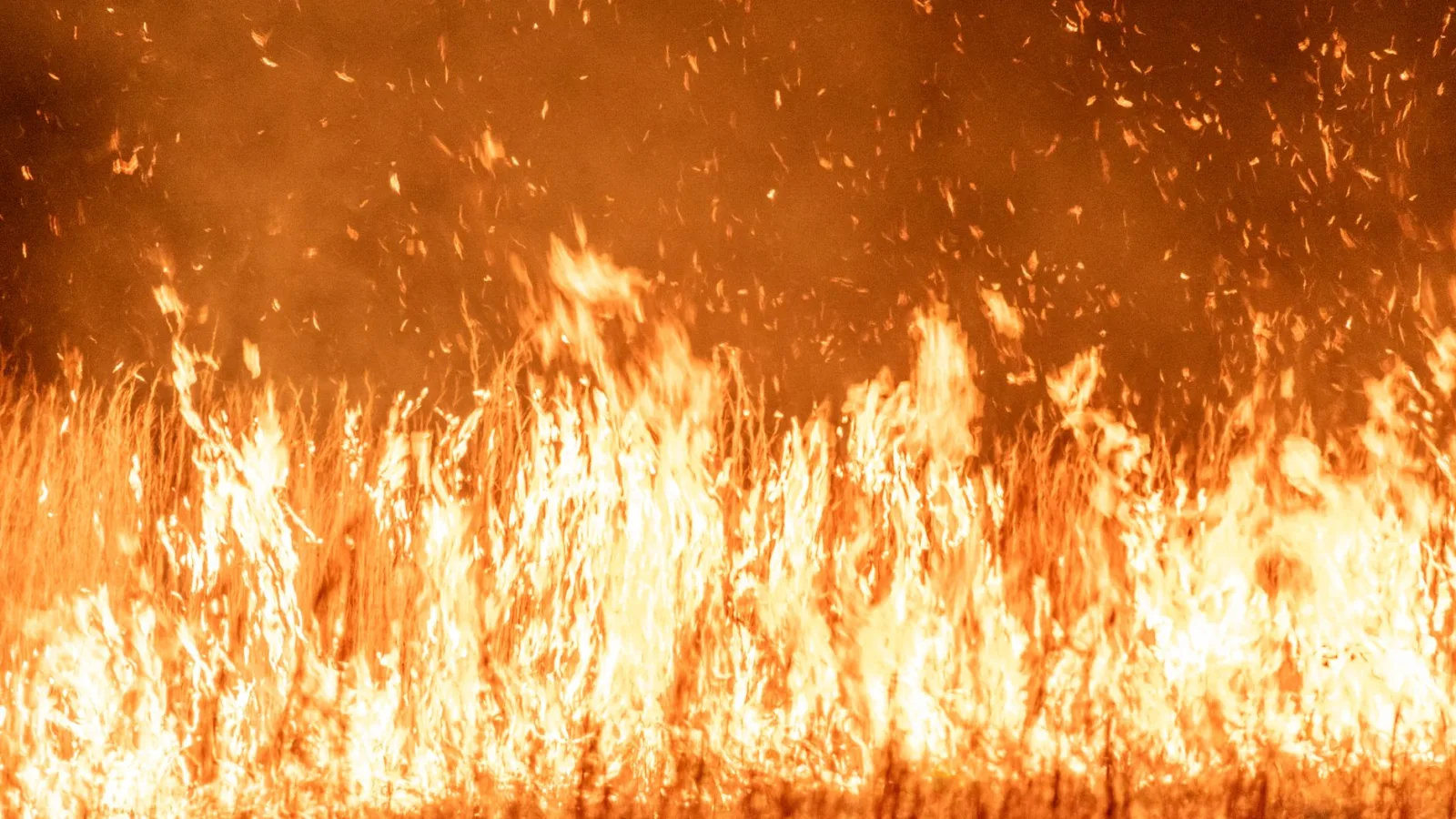
The Old Trails, Fairview and Autumn Lane fires are among 16 wildfires reported in Washington state, according to the state’s Department of Natural Resources. Firefighters have made progress on some incidents, but officials said the fires near Spokane had not been contained at the latest update.
More than 900 firefighters have been assigned to the Washington fires, with additional support expected from other states. Cooler conditions and lighter winds helped crews on Tuesday, but authorities warned that temperatures may rise again later in the week, which could complicate efforts to stop the fires spreading.
The impact on residents has been severe. US broadcaster CBS News, a BBC partner, reported accounts from people returning to destroyed homes and damaged neighbourhoods. Some residents have said they intend to shelter neighbours while rebuilding begins, underlining the practical strain on families who have lost housing, vehicles and essential belongings.
Wildfires are also affecting British Columbia in Canada, north of Washington state. Officials there said more than 8,000 people had been evacuated and more than 230 homes destroyed, with the province’s interior facing extreme drought conditions and high temperatures.
Scientists have warned that human driven climate change is making the hot, dry conditions that help wildfires spread more likely in many regions, as well as increasing the chances of more intense heatwaves and summer droughts. For communities affected by the Spokane fires, the immediate priorities remain evacuations, accounting for residents, protecting homes where possible and supporting those who cannot yet return.