
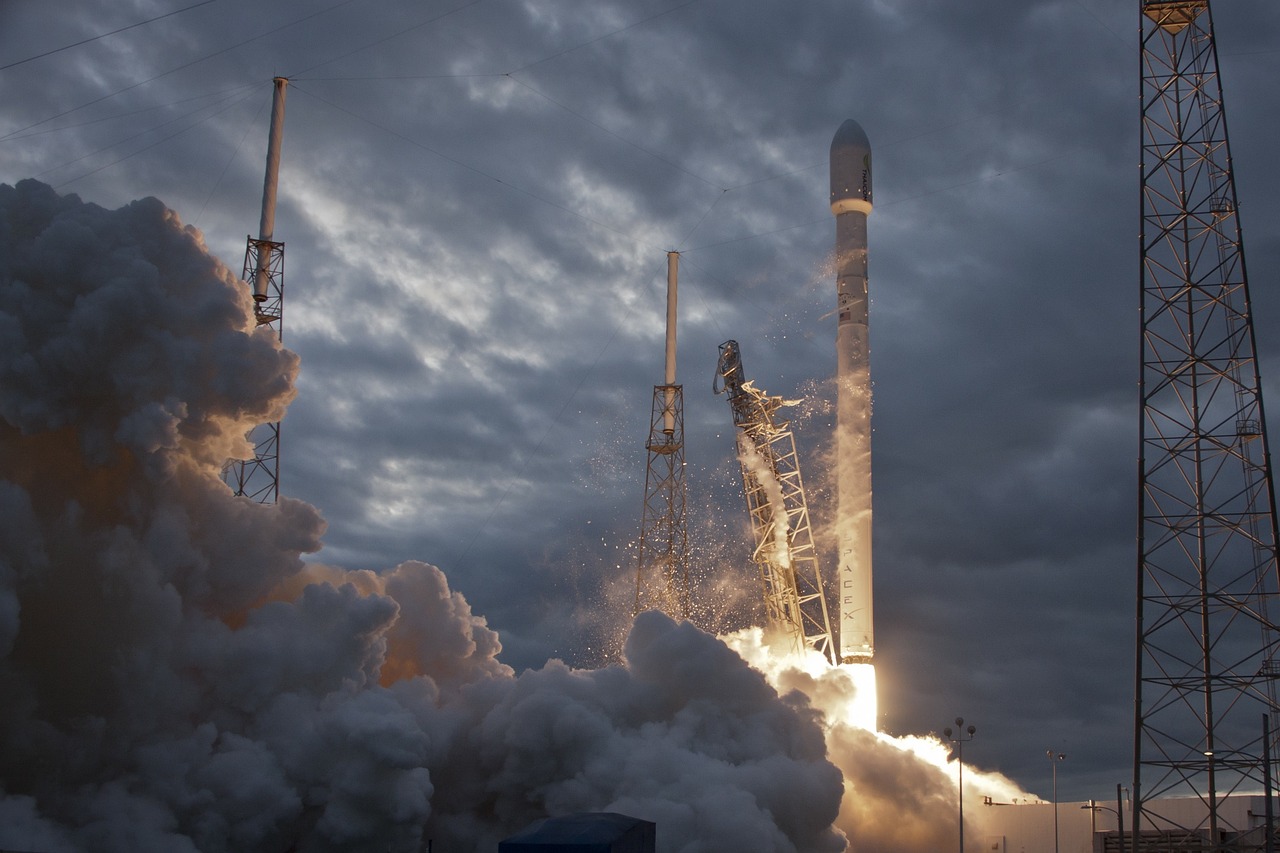
SpaceX delayed a planned Starship test flight, a move that arrives as attention around the company extends beyond launch activity and towards its longer term commercial ambitions. The postponement highlights the close connection between SpaceX’s launch cadence and its broader development strategy, as the company balances high profile test campaigns with growing public and investor interest.
The timing places renewed focus on the regulatory, operational and technical demands surrounding Starship, the company’s heavy lift launch system designed around full reuse. It also raises questions about how future growth plans could shape communications, reporting expectations and programme transparency.
The company announced the postponement on 22 May 2026 in the United States. The delayed mission formed part of SpaceX’s continuing Starship development programme, which has been used to refine hardware, software and launch operations through repeated integrated testing.
Starship testing remains central to SpaceX development
SpaceX uses Starship flights to push hardware, engines and flight systems under real operating conditions. The latest postponement follows a familiar pattern of schedule adjustments driven by weather, technical reviews and launch readiness checks.
Starship remains the tallest and most powerful rocket system yet developed. The design combines a reusable booster and upper stage with the long term aim of reducing launch costs and increasing access to orbit.
Each launch attempt attracts worldwide attention through livestreams, news coverage and social media discussion. That visibility extends SpaceX’s profile well beyond the aerospace sector but also increases scrutiny around safety procedures, launch infrastructure and operational decisions.
Regulation continues to shape launch timelines
US launch activity operates under a detailed regulatory structure. The Federal Aviation Administration oversees launch licensing and can impose conditions related to safety and environmental requirements.
Previous Starship campaigns involved post flight reviews and corrective actions following technical events and milestones. Local authorities also coordinate site access, environmental management and operational controls around launch facilities.
For launch operators, flexible windows are common practice. Companies often work within rolling launch targets rather than fixed schedules until weather, technical readiness and range conditions align.
From that perspective, the latest postponement reflects normal launch operations rather than a significant change in programme direction.
Future financing plans bring added attention
Discussion around a possible future public market route would represent a major shift for SpaceX, which has historically remained privately funded through contracts, investment rounds and employee share sales.
Public market participation would introduce additional disclosure requirements, investor communications and governance expectations.
Launch schedules, programme updates and contract developments could become more closely tied to structured reporting cycles and disclosure obligations.
While no formal transition has taken place, the possibility creates interest in how development milestones and business operations may eventually be communicated.
Starship remains important for future contracts
Starship supports several major long term objectives and agreements.
In 2021, NASA selected a Starship based system for future crewed lunar landing work under Artemis. Additional development options followed in later agreements and continue to influence programme milestones.
These contracts place importance on continued testing.
Every flight contributes data used to improve engines, heat protection systems, staging performance and recovery methods. Delays can shift internal schedules but remain part of a broader testing approach focused on achieving reliable reuse.
If successful at scale, reusable heavy lift systems could reduce launch costs and increase capacity for deep space missions and large satellite deployments.
Communication and public visibility play a growing role
SpaceX maintains an unusually public development model compared with traditional aerospace companies.
Launch windows, technical updates and imagery are frequently shared online through official channels and by company leadership.
This creates strong public engagement but also increases expectations around delivery and schedule certainty.
When launch timelines change, clear communication becomes increasingly important because updates reach not only enthusiasts but also regulators, commercial partners and wider audiences following programme progress.
Software and rapid iteration continue to shape development
Starship development combines hardware testing with increasingly advanced software systems.
Guidance systems, flight computers and ground operations software all contribute to launch readiness and vehicle performance.
Across aerospace, simulation tools, automated monitoring and advanced analysis methods increasingly support testing and design decisions.
Although SpaceX does not publicly detail all internal development processes, industry trends point towards faster build cycles and shorter testing loops supported by software driven analysis.
Schedule adjustments often reflect ongoing review of telemetry and technical data collected before launch approval.
Delays also affect operations behind the scenes
Starship campaigns rely on large teams across launch sites, production facilities and engineering groups.
Engine integration, vehicle assembly, fuelling systems and range safety all depend on coordinated schedules.
When launch dates move, teams often shift attention towards inspections, software validation and infrastructure readiness.
Supply chains also operate around launch timelines.
Deliveries of specialised materials, electronics and propulsion components require careful sequencing, making schedule changes significant across the wider operation.
Why the postponement still matters
The delay keeps SpaceX within a familiar testing rhythm while preserving focus on readiness and reliability.
Complex launch systems operate within narrow technical margins, and postponements remain common across major aerospace programmes.
At the same time, public attention around Starship continues to grow because the vehicle sits at the centre of future ambitions across commercial launch services, satellite deployment and deep space exploration.
What happens next
SpaceX is expected to continue technical review work before setting a revised launch window.
The next flight remains important because it contributes another stage in validating Starship’s performance and demonstrating progress towards reusable heavy lift capability.
While the postponement changes timing, it does not appear to alter the broader direction of the programme.
For suppliers, regulators, partners and audiences following the project, attention now shifts to when Starship returns to the launch pad and what the next test reveals about the future of large scale reusable spaceflight.