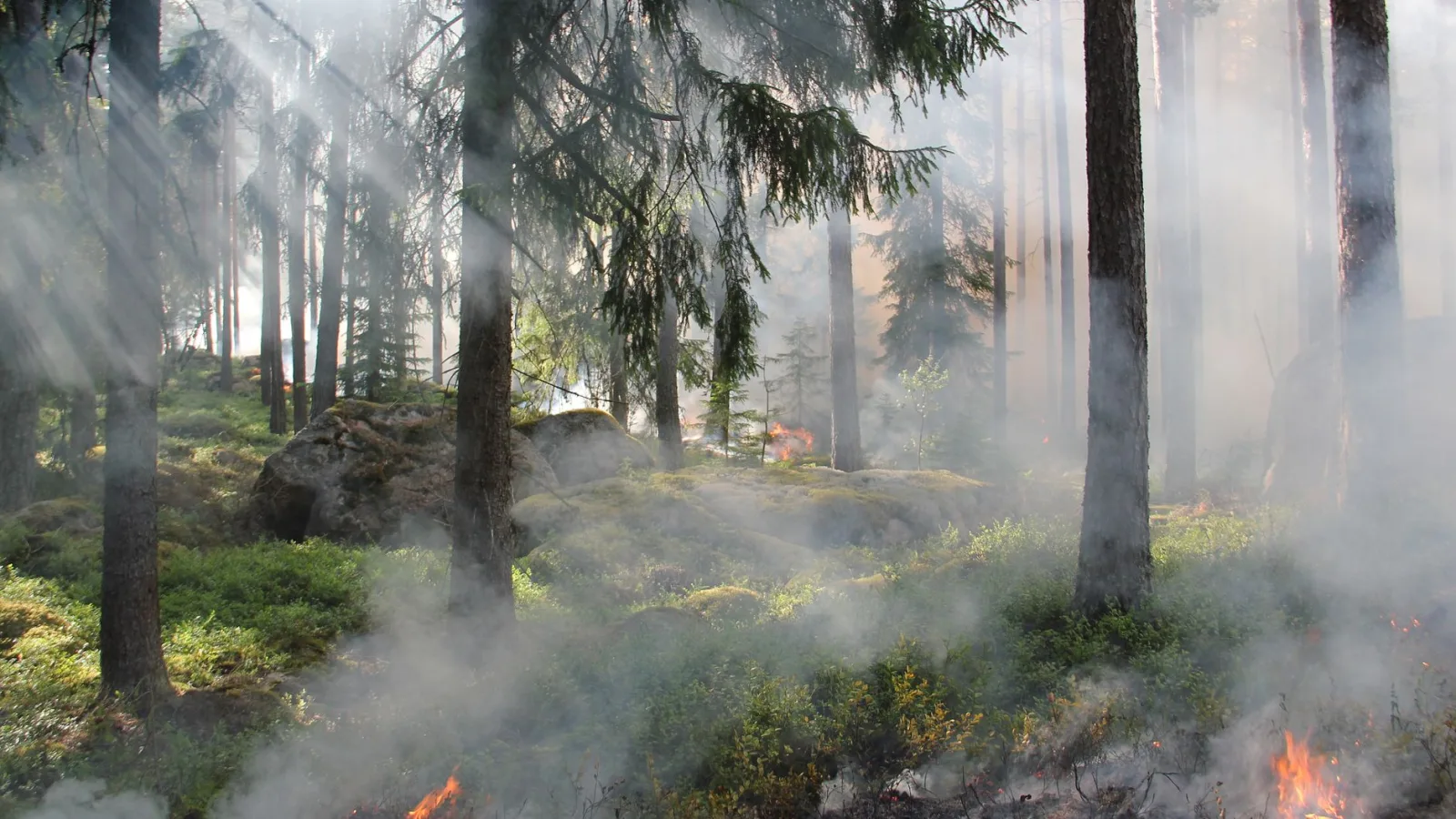
Residents, workers and holidaymakers in parts of France and Spain have described days of smoke, evacuation orders and uncertainty as emergency services continue to tackle large wildfires across both countries.
In south-west France, people in Bordeaux have reported breathing difficulties and poor visibility after smoke was carried into the city from a fire burning about 15km from its outskirts. Pierre Pourquery, a resident, told the BBC that the atmosphere in the city had left people “anxious and fearful”, with some wearing masks because of the heavy haze.
The situation matters not only for those living close to the fire line, but also for people in nearby urban areas who may be affected by smoke even when flames are some distance away. Smoke from wildfires can irritate the eyes, throat and lungs, and can be especially difficult for people with asthma, other respiratory conditions, older residents and young children.
Chris De Abreu, who is from Kent and has a flat in Bordeaux, said the city had been covered by smoke over the weekend, with the sun obscured and the light taking on an orange tone. He said he was less worried about his own property, which is on the other side of the river, but could see concern among people waiting to learn whether conditions would worsen.
Further along the Atlantic coast, residents in Biscarrosse Plage have also faced the practical strain of evacuation. Rachel Hanberry told BBC Radio 5 Live that her beachfront home is next to the town’s evacuation point and that people arrived there on Thursday night with nowhere else to go. She said her household had offered shelter to others, describing the stress on the community as immense.
The fires have also affected communities far from Bordeaux. In Cotignac, in south-east France, Jo Barnes and her family returned home after leaving for four days when flames moved quickly towards their property. She told the BBC that a “wall of orange flames” came over the hill and that, at one point, the fire was within about 10 metres of the back of the house, where there is a gas tank.
Although the surrounding hillside was left burnt, Cotignac itself was not damaged and the Barnes family home survived. Their experience underlines how rapidly wildfire conditions can change and why local authorities may require residents to leave before the immediate danger reaches homes.
In Spain, similar accounts have emerged from areas affected by major fires. In the central Madrid region, where more than 27,000 hectares have burned, Olga Congacha told AFP that residents had to leave a village quickly during what she described as a critical situation. She said she and her husband took important documents and some clothes as they left.
In eastern Spain’s Castellón province, Ricardo Pozo told AFP he had not seen a fire of such intensity before. Maria Garcia, from Betxí, told Reuters that the fires had interrupted ordinary life for evacuees, stopping people going to work and carrying on with daily routines while familiar mountain areas burned.
Across France and Spain, the fires have scorched tens of thousands of hectares and led to more than 300,000 evacuations, according to the BBC’s reporting. The immediate priority for emergency responders is protecting life, containing active fire fronts and keeping evacuation routes clear. For residents, the consequences can include temporary displacement, smoke exposure, property risk and disruption to work, school, care arrangements and local services.
Tourists have also had to change plans at short notice. James Hillier, who had been visiting his son in Lacanau in the Gironde department, told the BBC that the town was filled with smoke and ash fell from the sky. He and his wife left for Bordeaux, but found the air there acrid and uncomfortable, before travelling north to another part of France.
Another UK holidaymaker, Sarah from Hertfordshire, said her family cut short a planned week in Bordeaux because smoke entered their apartment despite efforts to seal it. She warned relatives who had been due to travel to Lacanau not to come, and the family booked accommodation in another region instead.
Her sister-in-law, Georgia, said she had been unable to secure a refund from her accommodation provider because the fire had not reached Lacanau at the time of cancellation. She told the BBC that the family could lose more than £3,500 if no solution was agreed. The case highlights a practical issue for travellers: disruption caused by smoke, evacuation risk or access restrictions may not always be treated in the same way as direct fire damage by accommodation providers or insurers.
People travelling in affected areas should follow instructions from local authorities, check transport and road updates, and keep essential documents, medication and communication devices accessible. Those with respiratory conditions may need to take extra precautions when smoke is present, including staying indoors where possible and seeking medical advice if symptoms worsen.
For communities in France and Spain, the fires are a public safety emergency as well as a daily life disruption. Even where homes are spared, smoke, evacuations and uncertainty can affect health, work, travel and family arrangements for days or longer, with recovery continuing after the flames are brought under control.