One of the UK’s most recognised heritage railways, the Severn Valley Railway (SVR), has temporarily suspended all steam-hauled passenger services as a precaution against heightened wildfire risks. The decision follows a prolonged period of hot and dry weather across the region.
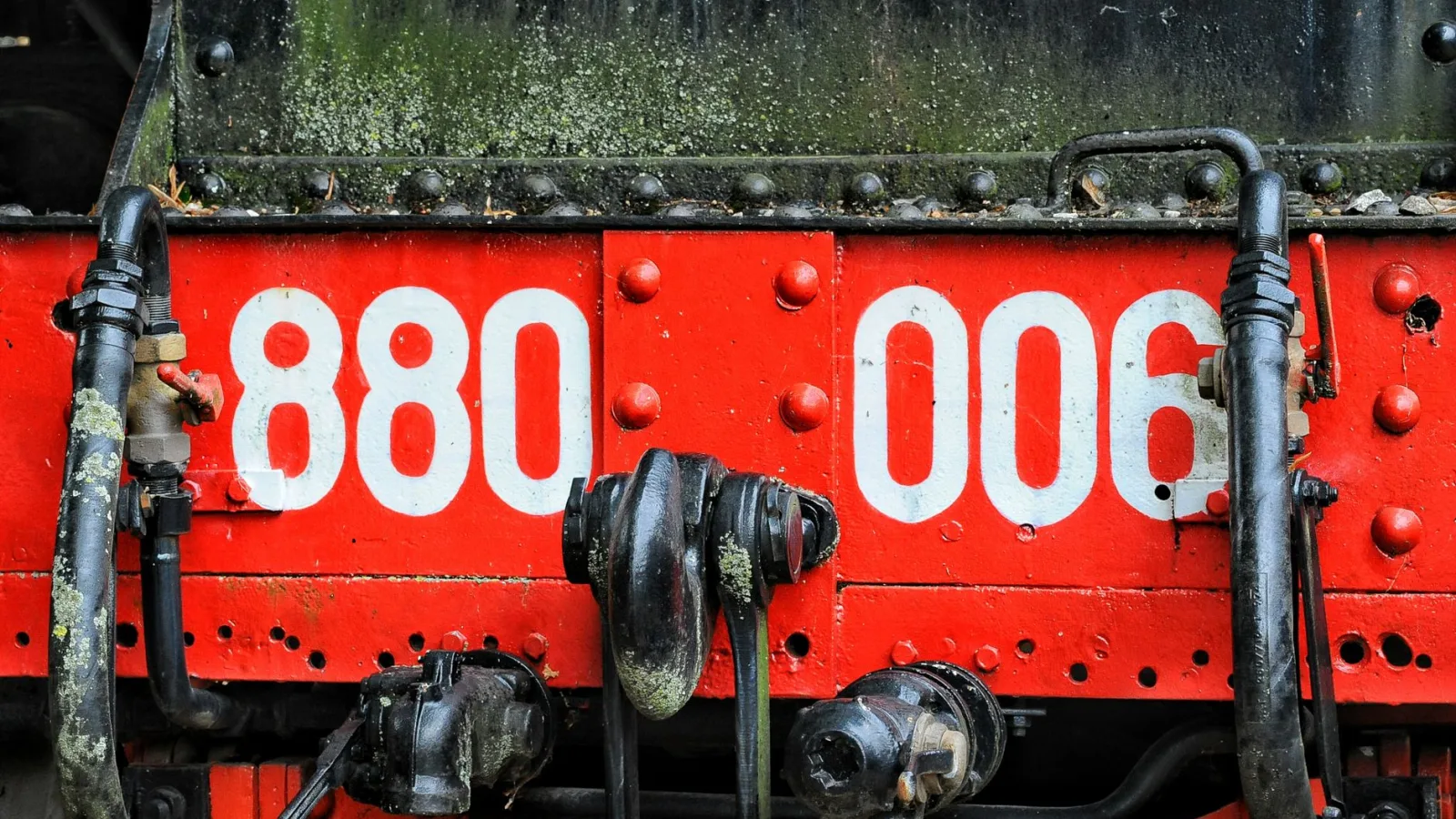
Until further notice, the SVR will replace its iconic steam engines with diesel locomotives to ensure scheduled services can continue while reducing the risk of lineside fires. The railway confirmed that this measure has been implemented to protect both its operations and the surrounding countryside.
The move comes shortly after firefighters were called to tackle a blaze along the railway line north of Bewdley in Worcestershire on Sunday. Emergency crews extinguished the embankment fire, which led to a brief suspension of train services.
However, railway management emphasised that the temporary suspension of steam services was prompted by the broader, ongoing weather conditions rather than solely by the recent incident. Victoria Evans, SVR’s Head of Commercial and Customer Service, told the BBC, “The decision to suspend steam services has been taken because of the prolonged spell of exceptionally hot and dry weather and the continued lack of significant rainfall in the forecast.”
Ms Evans added that Sunday’s fire "serves as a reminder of the challenges these conditions present," but reiterated that "our decision is based on the wider weather situation rather than on a single event."
Acknowledging the potential disappointment for both railway enthusiasts and general visitors, Ms Evans described the temporary suspension as "the right and responsible course of action." The railway’s collection of heritage diesel locomotives will now operate all passenger services for the duration of the suspension.
The SVR stated that without its diverse diesel fleet, it might have been forced to cancel services entirely. Such a move would have significantly disrupted thousands of visitors planning journeys during the busy summer holiday period.
Heritage railways across Britain are increasingly relying on mixed locomotive fleets, a strategy that enables them to maintain operations during periods of elevated fire danger, essential engineering work, or scheduled maintenance on steam engines. This adaptability allows them to continue welcoming visitors despite operational challenges.
The Severn Valley Railway is a significant heritage attraction in the West Midlands and one of Britain's leading preserved railways. Its scenic line stretches approximately 26 kilometres between Kidderminster in Worcestershire and Bridgnorth in Shropshire, following the picturesque Severn Valley. The route is highly popular with rail enthusiasts, families, and international tourists alike.
Originally part of the Great Western Railway network, the line was reopened in stages as a preserved railway beginning in 1970, with services eventually restored along the full route to Bridgnorth. Over the past five decades, the SVR has grown into one of Europe’s most successful heritage rail operations, welcoming up to 250,000 passengers annually, making it one of the UK’s busiest preserved railways.
The railway operates regular services from spring through late autumn, augmenting its calendar with themed events, dining trains, and popular seasonal experiences, including its Christmas services, which extend operations into the winter months.
The decision to suspend steam services underscores the growing impact of extreme weather events on heritage tourism attractions across the UK. Steam locomotives, by their nature, can emit sparks and hot ash, posing a fire hazard, particularly during prolonged dry conditions. While modern spark arrestors and stringent operational procedures are in place to mitigate risks, many heritage railways opt for diesel traction when faced with exceptional fire danger.
The UK has experienced a recent heatwave, which has contributed to numerous wildfires across counties such as Shropshire, Worcestershire, and Herefordshire. Fire services in these areas have been responding to multiple grass and woodland blazes.
The SVR has reassured visitors that all scheduled journeys, special events, and ticket bookings will proceed as planned. The use of diesel locomotives will ensure the railway remains open, continuing to offer its visitor experience while safeguarding both passengers and the delicate surrounding countryside until weather conditions improve.