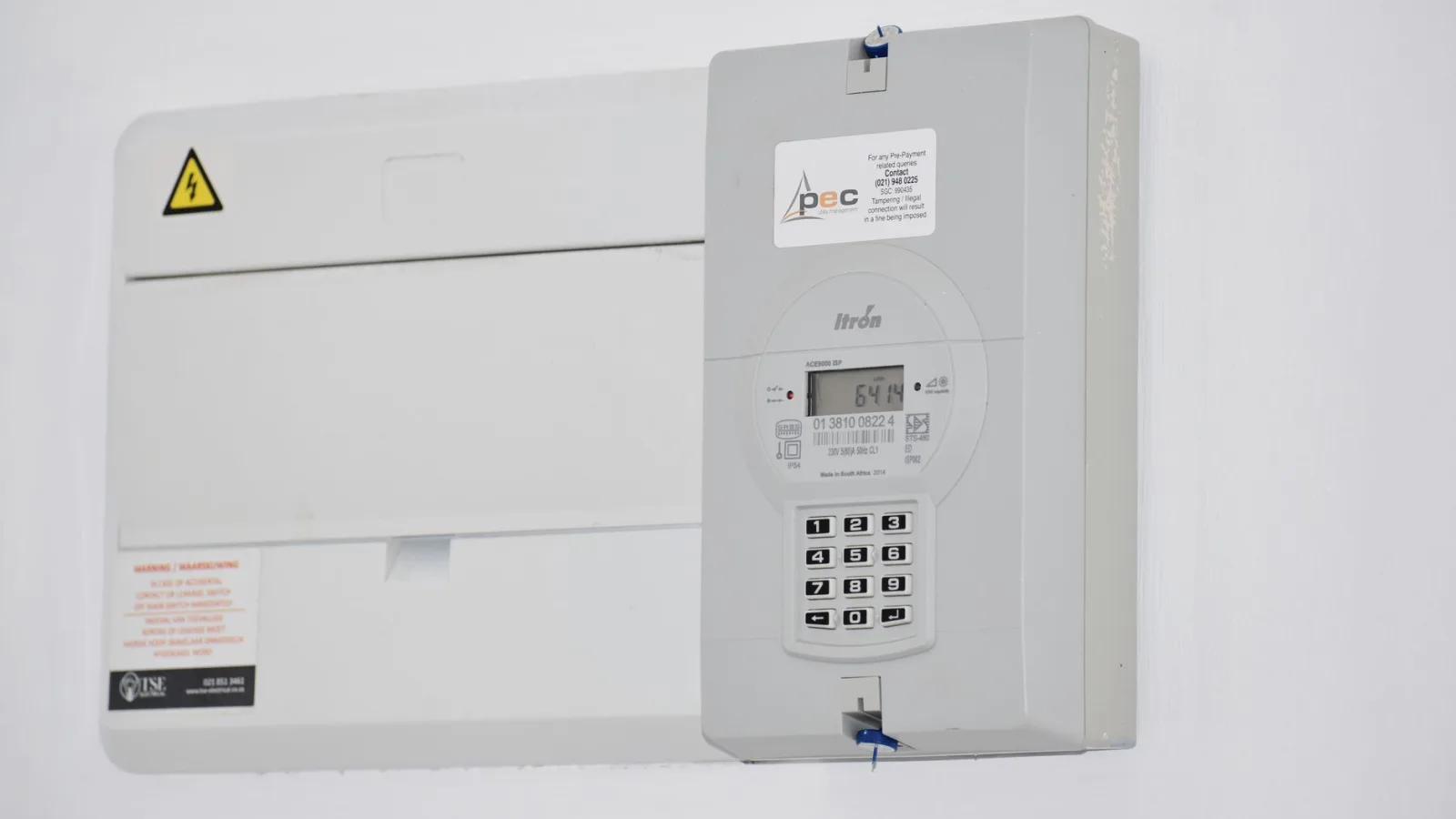
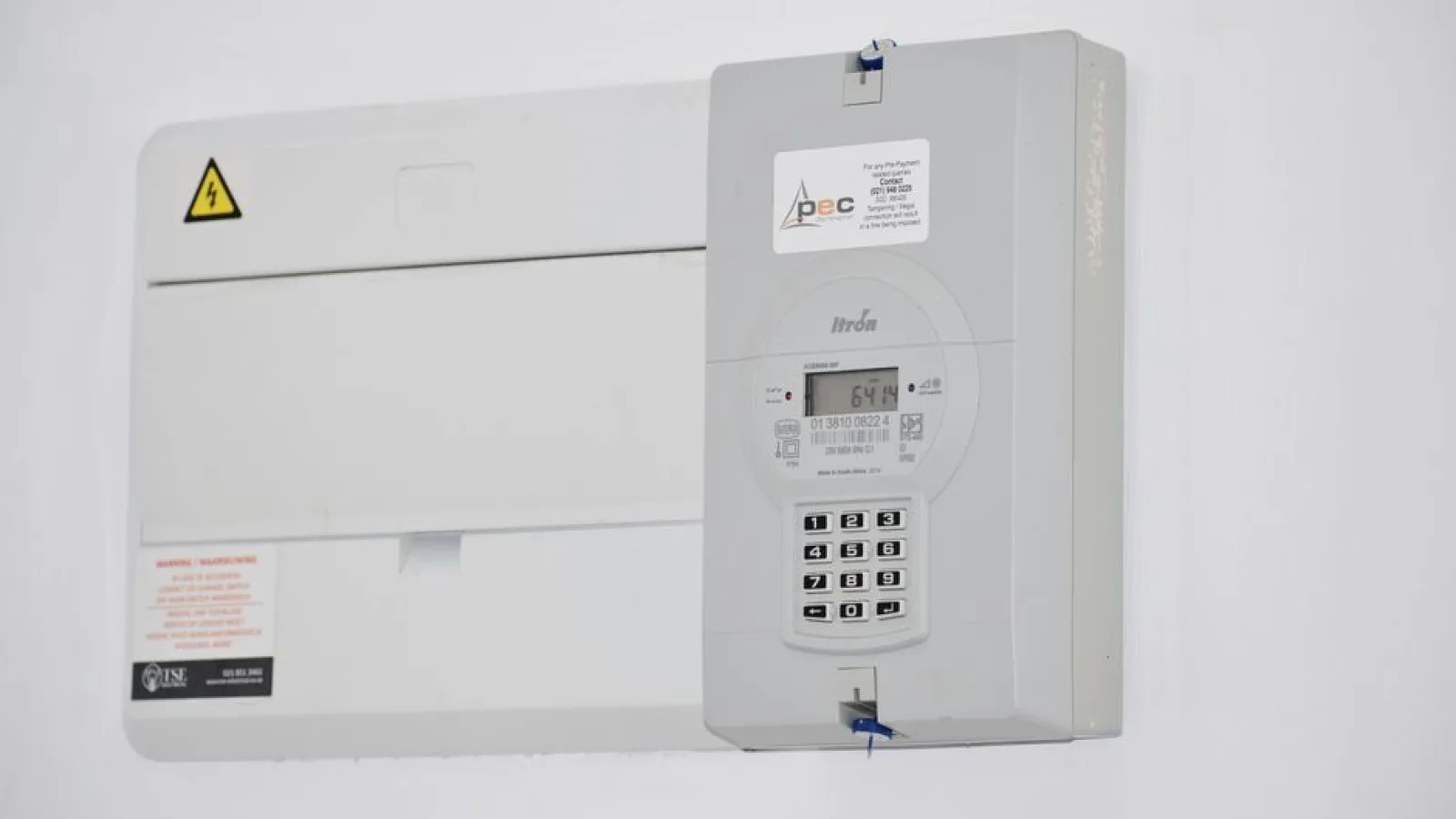
Millions of households in the UK are being encouraged to provide their energy meter readings before 1 July as the energy price cap increases by 13%. This step is particularly important for around 5.3 million consumers who do not have smart meters and are on standard energy tariffs.
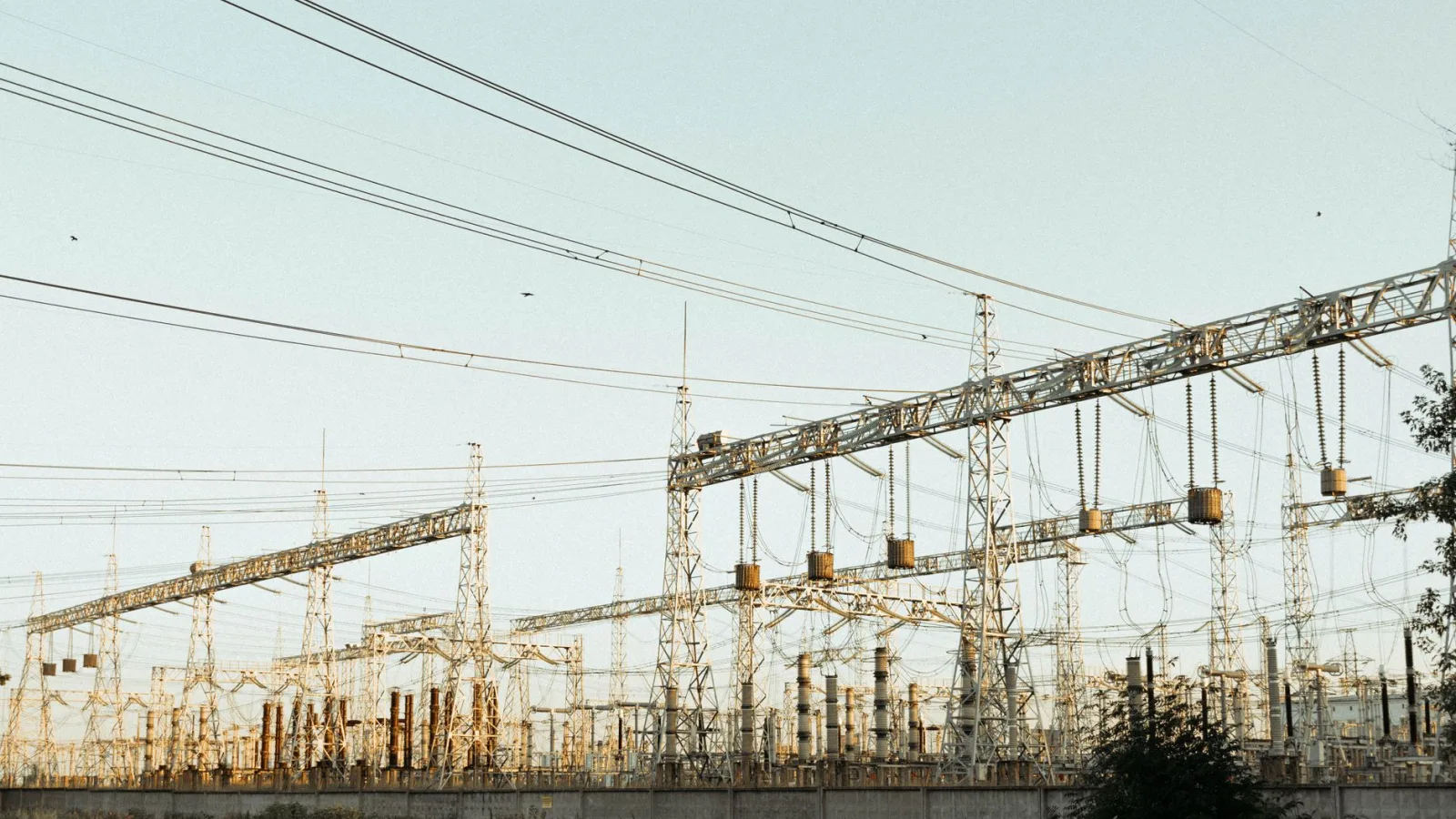
The price cap, which limits the rates energy suppliers can charge, is rising to account for increased global energy costs. Electricity unit rates will go up from 24.67p per kilowatt hour (kWh) to 26.11p, while gas charges will increase from 5.74p to 7.33p per kWh.
Households that do not provide updated meter readings risk having some of their June energy consumption estimated using the new, higher rates applied after 1 July. This could lead to overcharging for energy used before the price rise took effect.
Energy expert Ben Gallizzi from comparison site Uswitch advises, “Customers who don’t have a smart meter should submit their readings before or on Wednesday 1 July, so their supplier has an accurate view of their account.”
The average combined gas and electricity bill is expected to increase by around £221 annually under the new cap, reaching approximately £1,862. This rise is largely driven by international market pressures following recent geopolitical events.
While the price cap increase represents a higher ceiling for standard tariffs, it does not mean all households must accept the higher costs. Gallizzi suggests consumers explore fixed-rate energy deals, some of which currently offer savings compared to the new capped rates. For example, some fixed deals are priced around 15% lower than the new price limit.
It is worth noting the timing of this increase coincides with the summer months, when many households use less heating and so might see a smaller immediate impact on their bills. This provides some relief compared to price changes during colder periods when energy use is higher.
Consumers can check and submit meter readings online, by phone, or via their energy provider’s app. Keeping track of accurate readings helps ensure billing reflects actual consumption rather than estimates, which can cause confusion and potential overpayments.
Looking ahead, another adjustment to the price cap was anticipated in October, but recent developments in international relations have contributed to a drop in wholesale gas prices, potentially easing further rises. While the situation remains subject to change, regular meter readings and active review of available tariffs remain practical steps for managing household costs.
In summary, households without smart meters should submit their latest readings promptly ahead of 1 July to avoid higher bills than necessary for June consumption. Reviewing tariff options beyond the standard variable rate can also help manage energy costs during a period of rising prices.