
Cornwall Insight forecasts a sharp rise in household energy costs from July, with the Ofgem price cap set to push a typical annual bill to about £1,850. The consultancy’s analysis points to an increase of roughly £209, or nearly 13%, driven by higher wholesale gas prices amid the conflict involving Iran. If confirmed, the change would add fresh pressure to budgets already stretched by the cost of living, affecting millions of homes on standard variable tariffs across Great Britain.
The projection signals a turning point after recent periods of relative stability. While the cap helped shield households from the worst of the energy market turmoil over the past two years, this expected rise would renew uncertainty heading into the second half of the year. Ofgem sets the price cap quarterly, and suppliers must adjust default tariffs in line with it. Households that use more energy than the typical levels used to model the cap would face higher annual costs.
The forecast was published on 19 May 2026 and covers Great Britain, where Ofgem regulates domestic gas and electricity prices. The official July-September cap will be confirmed by Ofgem in the coming weeks.
What a £1,850 typical bill means for households
Cornwall Insight’s modelling points to a typical annual dual-fuel bill of around £1,850 from July for homes on standard variable tariffs. The forecast implies an increase of roughly £209 compared with the current level, reflecting a near-13% jump. The cap governs unit rates and standing charges, not a household’s total bill, so costs still depend on how much energy a home uses. Households with higher consumption will pay more than the typical figure, while those that cut use can pay less.
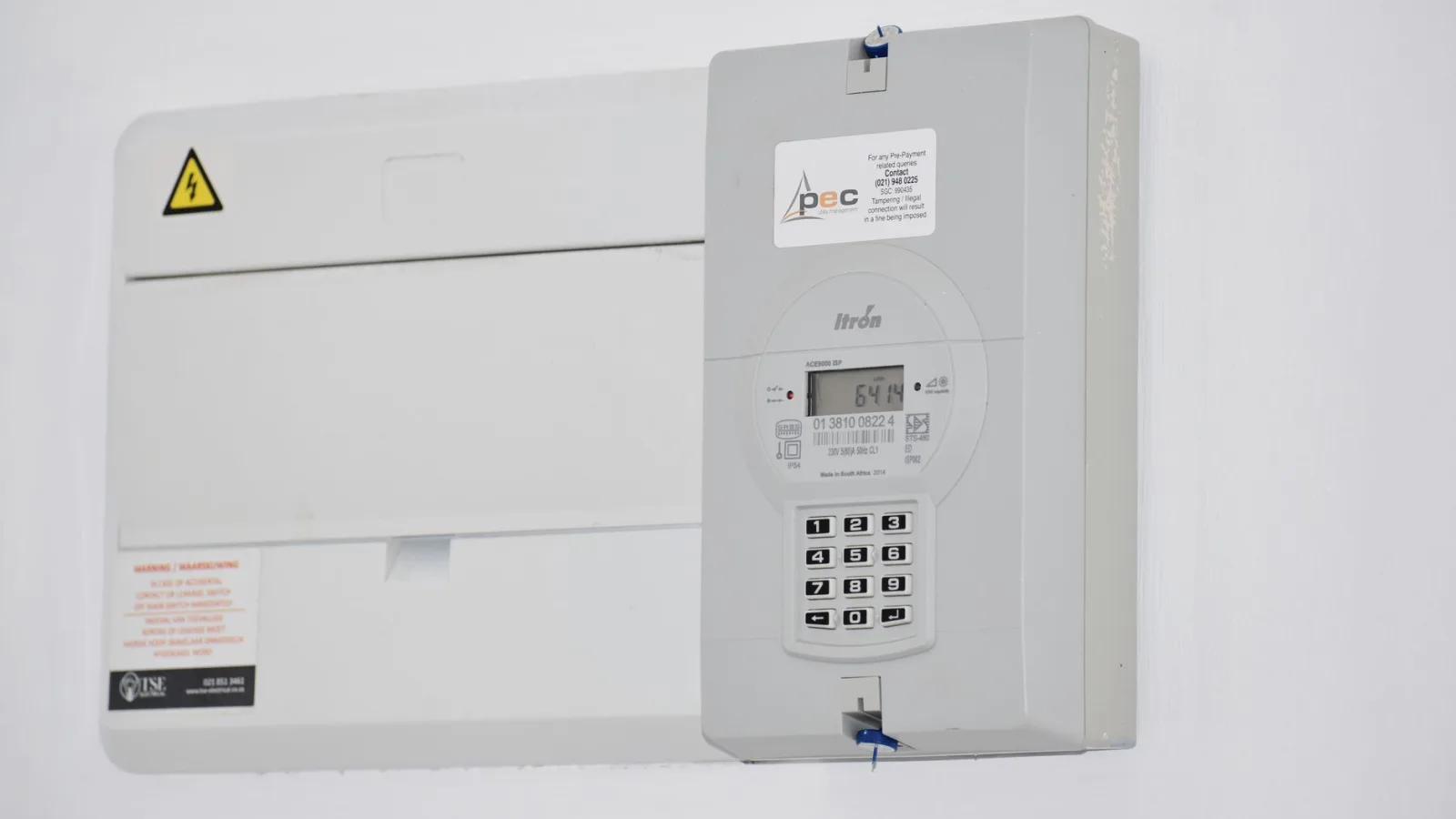
The price cap varies by region and payment method, and the mix of unit rates and standing charges differs between gas and electricity. Renters and homeowners in less efficient properties tend to feel price movements more sharply because they need more energy to achieve the same level of warmth. Households on prepayment or standard credit plans also see cap-aligned rates, though final tariffs can differ. Consumers on fixed deals are not tied to the cap during their fixed term.
Gas markets under strain as Iran conflict ripples through prices
The forecasted rise stems from a renewed uptick in wholesale gas costs, which feed directly into suppliers’ pricing and therefore the cap. Global gas markets remain sensitive to geopolitical risks. The ongoing conflict involving Iran has added uncertainty around energy supply routes and costs, which traders have priced into near-term contracts. Even modest shifts in wholesale prices can materially change the quarterly cap because gas still plays a central role in Britain’s heating and electricity generation.
Britain sources gas from the North Sea, pipelines, and overseas liquefied natural gas (LNG). When global prices climb, UK suppliers pay more to meet demand, including for electricity generation that relies on gas-fired power stations. Wholesale markets often respond quickly to political developments, shipping constraints, and outages, and analysts factor those forward-price movements into cap forecasts. If volatility persists, the cap can swing again in the next quarterly review.
How the Ofgem cap works and when the July figure becomes official
Ofgem’s price cap limits what suppliers can charge per unit of energy and for standing charges on default tariffs. It reflects underlying costs, including wholesale energy, network fees, policy schemes, operating costs, and a modest allowance for supplier margins and bad debt. The cap does not cap a household’s total bill; it caps the rates suppliers can charge. Households still pay for every kilowatt-hour they use, so bill size rises and falls with consumption.
The regulator updates the cap every three months, with new rates applying from January, April, July, and October. The official July cap will be published before the quarter begins. Suppliers must then adjust standard variable tariffs to the new rates. Consumers who want certainty can consider fixed deals if available, but should check exit fees and unit rates against the forecast and their usage. Many households remain on default tariffs, and they will see bills move in line with the confirmed cap.
Who will feel the rise most, and what steps can ease the hit
Low-income households, people in energy-inefficient homes, and families using prepayment meters often feel cap increases more acutely. Poor insulation and older heating systems can drive higher consumption. Renters have limited control over property upgrades, so they face higher bills without the option to invest in deeper energy efficiency measures. In shared or electric-only homes, those costs can escalate quickly when unit rates move up, particularly if usage remains high into cooler months.
There are steps households can take now. Contact your supplier early if you worry about paying; energy firms must work with customers in difficulty, including setting up affordable payment plans and offering advice.