A 16-year-old girl, Rhianan Rudd, took her own life in 2021 after becoming the youngest female in the UK to face terror charges at the age of 15. Her case has brought to light what has been described as a "catalogue of failures" by British authorities, including social services, police, and counter-terrorism programmes, in identifying and addressing her vulnerability to online grooming by neo-fascists.
The circumstances surrounding Rhianan's death and the preceding events are explored in a recent documentary titled 'The Schoolgirl Terrorist?'. The programme suggests a systemic breakdown in care and assessment processes for vulnerable individuals targeted by extremist ideologies.
According to her mother, Emily, and older brother, Brandon, Rhianan displayed complex behavioural patterns from an early age. Emily described her daughter as having "a very big whiplash in personalities" and expressed early concerns about her mental health. At the age of three, Rhianan reportedly insisted she was not herself and later developed alternative personas, often described as "solemn, critical." Emily, who believes Rhianan had undiagnosed autism, stated, "I was always called a neurotic mother... How can you say that when you don’t live with her?" Her brother, Brandon, recalled that social services had been involved with the family for as long as he could remember, and by age 11, Rhianan appeared "depressed a lot of the time."
The family's situation became more complicated with the introduction of Emily's new boyfriend, Dax Mallaburn, an American who was a former member of a right-wing gang. Despite his past, Mallaburn was approved by social services to live with the family in their post-refuge home. The onset of the Covid-19 pandemic and subsequent lockdown meant Rhianan had a computer in her own room for the first time, leading to increased online activity.
It was during this period that Rhianan, unbeknownst to her mother, made contact online with a neo-fascist named Chris Cook. Emily first became aware of her daughter's radicalisation when Rhianan began expressing hateful rhetoric to family and friends. The situation escalated when Rhianan informed her mother that she had downloaded a bomb-making manual. Prompted by these alarming developments, Emily referred her daughter to Prevent, the UK's deradicalisation programme.
Following this referral, Rhianan was arrested. A significant procedural point highlighted in the documentary is that her Prevent case was subsequently closed while she was under investigation by MI5, a standard protocol at the time. This particular step was described in the review of the documentary as a "striking" example of a "common sense" issue within the broader sequence of events.
A critical failure identified was the delayed referral of Rhianan to the Home Office unit responsible for dealing with modern slavery, trafficking, and exploitative practices such as online grooming and radicalisation. This referral, which should ideally have been made by either the police or social services soon after the investigation began, was only pursued at the insistence of her defence team. By this point, Rhianan had already been charged with six counts of terrorism, significantly prolonging the legal process and the period she was treated as a suspect rather than a victim.
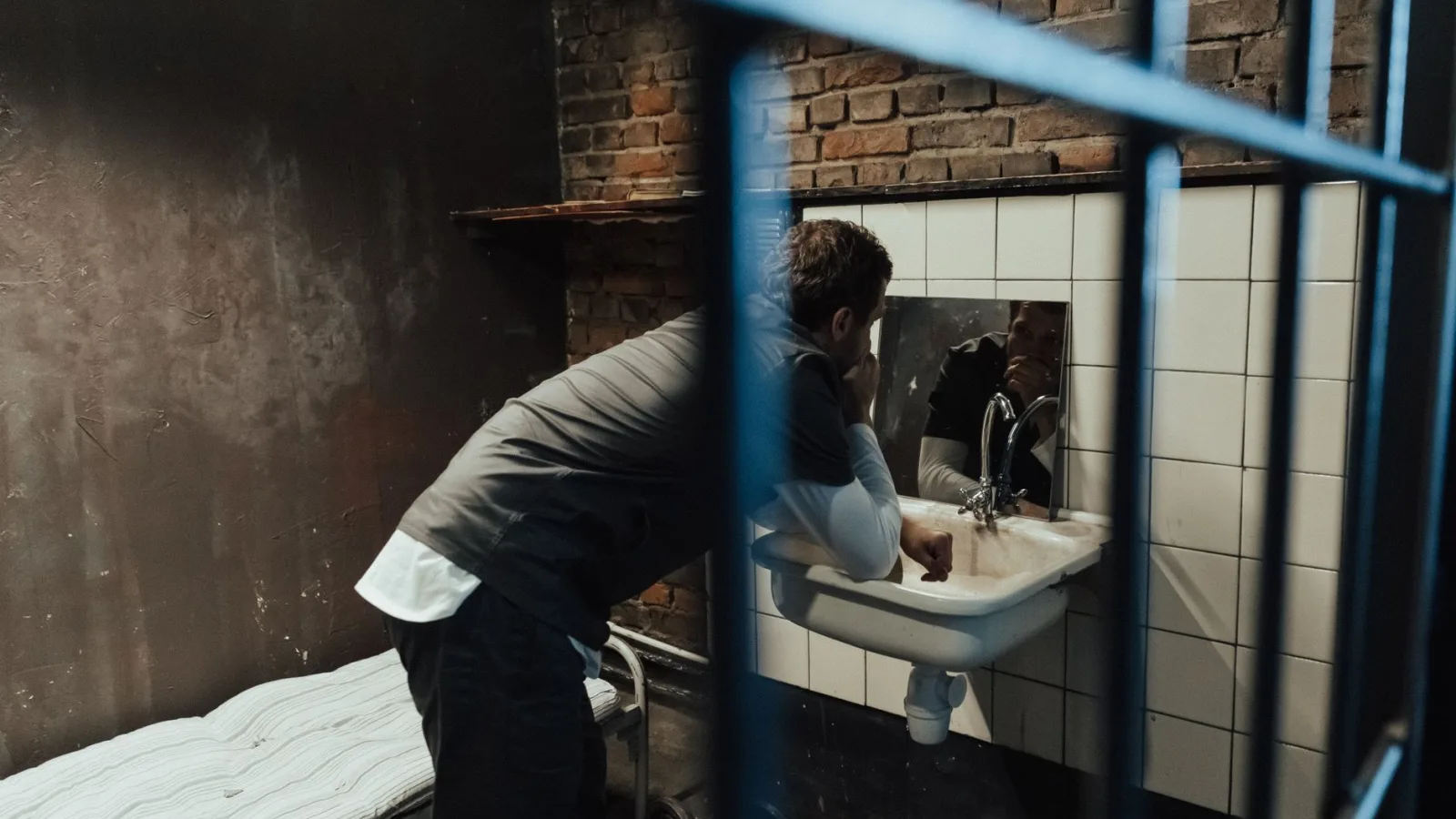
Upon being charged, the 15-year-old was remanded to custody in a children's home in Nottinghamshire. The facility reportedly appeared ill-equipped to manage the complex mental health issues Rhianan presented. Despite her mother warning staff about her daughter's history of self-harm, Rhianan was reportedly able to engage in self-harming behaviours during her time there, raising further questions about the adequacy of her care.
In 2021, the charges against Rhianan were ultimately dropped. This decision came after the Home Office made a formal finding that she had been a victim of exploitation. Later, an inquest into her death also noted the influence of Dax Mallaburn, from whom Emily had by then separated, indicating a further layer of undetected vulnerability and influence in Rhianan's life.
Following the dropping of charges, Rhianan began therapy through the Prevent programme. However, when these sessions started to address the "darker" aspects of Chris Cook's manipulation, specifically involving sexual content, Rhianan tragically took her own life. She was 16 years old.
The documentary underscores a narrative of repeated missed opportunities and a perceived inability by various agencies to fully comprehend Rhianan's situation. Emily Rudd, along with others who knew and loved Rhianan, is depicted as having repeatedly sought help from systems that were ostensibly designed to support individuals in such predicaments, yet failed to provide a cohesive and effective response. The overarching sentiment conveyed is that there was no one, or no one in a sufficiently influential position, who possessed the insight or courage to view Rhianan's situation holistically from the outset and recognise that she was a vulnerable child requiring protection, not primarily a terrorist suspect.
At the conclusion of the programme, the involved parties provided their rights of reply. MI5 and Prevent referenced findings by the coroner’s court that absolved them of blame in Rhianan’s death. The children’s home maintained its adherence to its care plan and treatment protocols for Rhianan. Emily Rudd, however, continues to question the efficacy of these responses, asking, "How does anyone know that anything has moved on... I want to know what you’ve done to change what you did with Rhianan." Prevent stated that her daughter’s death "has informed multiple strategies in our approach to young people and mental health."
In the UK and Ireland, Samaritans can be contacted on freephone 116 123. In the US, you can call or text the National Suicide Prevention Lifeline on 988, chat on 988lifeline.org, or text HOME to 741741 to connect with a crisis counselor. In Australia, the crisis support service Lifeline is 13 11 14. Other international helplines can be found at befrienders.org