

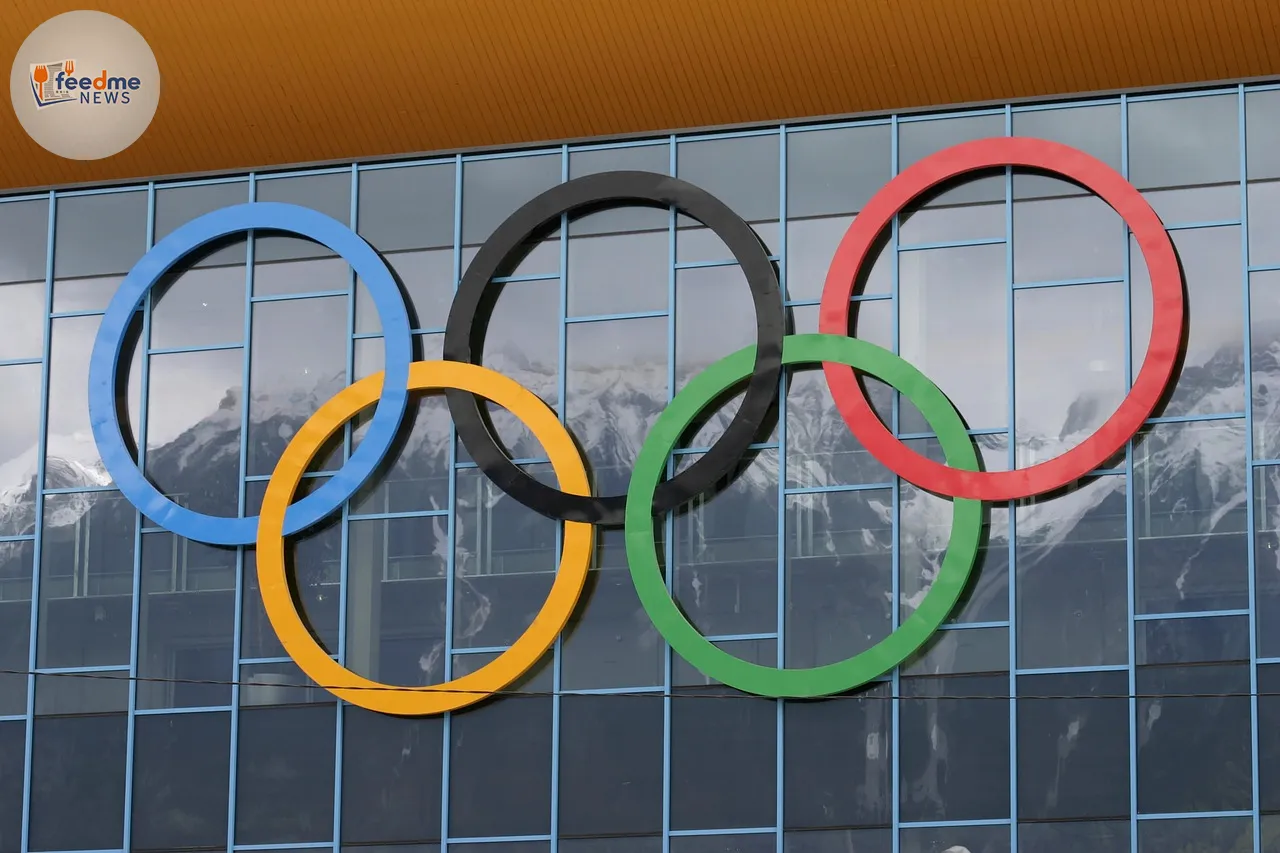
The Winter Olympics will run from 6 to 22 February 2026, followed by the Winter Paralympics from 6 to 15 March. Events will be spread across Milan, Cortina d’Ampezzo and several venues in northern Italy, bringing together large international crowds during the winter season.
If you are travelling to Italy for the Games, a few practical health precautions can help reduce risks and ensure a safer experience for you and your family.
Check vaccinations before you travel
Before travelling, review your and your children’s vaccination records and speak with a healthcare professional if anything is due.
Measles outbreaks continue to be reported globally and cases are circulating in parts of Europe, including Italy. Ensuring that all family members are fully protected with the measles-mumps-rubella (MMR) vaccine is especially important when attending large international events.
If vaccination is required, it should ideally be completed at least two weeks before travel to allow immunity to develop.
Reduce the risk of respiratory infections
Winter conditions and crowded indoor venues increase the likelihood of respiratory illnesses such as influenza, COVID-19 and other seasonal viruses.
To lower the risk of infection:
-
Stay up to date with recommended vaccinations, including seasonal flu and COVID-19 where appropriate
-
Avoid close contact with people who appear unwell
-
Wash hands frequently with soap and water or use alcohol-based hand sanitiser
-
Avoid touching your eyes, nose and mouth with unwashed hands
If you or a family member develop symptoms such as fever, cough or sore throat:
-
Cover coughs and sneezes with a tissue or your elbow
-
Stay in your accommodation where possible
-
Consider wearing a face covering in crowded indoor spaces
These steps help protect both your household and other spectators.
Food and water safety in Italy
Tap water in Italy is generally safe to drink, including in Olympic host regions.
Foodborne illnesses can still occur, particularly when eating on the move or in busy tourist areas. To reduce the risk:
-
Eat food that is thoroughly cooked and served hot
-
Wash or peel fruit and vegetables before eating
-
Avoid cooked or perishable food left at room temperature for more than two hours
-
Wash hands before eating or preparing food and after using the bathroom
While most food-related illnesses are mild, some can be serious, especially for young children or older adults.
Sexual health considerations
Large international events are often associated with increased risk of sexually transmitted infections (STIs).
To protect yourself and others:
-
Use condoms, which are widely available in Italy at pharmacies, supermarkets and drugstores
-
Speak to a healthcare provider before travel if you may benefit from preventive measures such as HIV pre-exposure prophylaxis (PrEP) or vaccinations for hepatitis A or B
-
Consider STI testing after travel if you have had unprotected sex or multiple partners, even if no symptoms are present
Early detection and prevention reduce the risk of long-term health problems.
Accessing medical care during the Games
Health services will be operating as normal during the Olympics and Paralympics. The Lombardy region has a dedicated website for the 2026 Games with guidance on emergency care, non-urgent treatment and access to medication, with information available in English.
EU citizens can use a valid European Health Insurance Card (EHIC) to access medically necessary state-provided healthcare during their stay in Italy.
For visitors from outside the EU, comprehensive travel health insurance is strongly recommended.
Planning ahead makes the difference
Large-scale sporting events bring excitement and unforgettable experiences, but they also increase exposure to health risks. By preparing in advance, staying aware of basic hygiene measures and knowing how to access medical care, families attending the Milan-Cortina Games can focus on enjoying the sport while staying well throughout their trip.