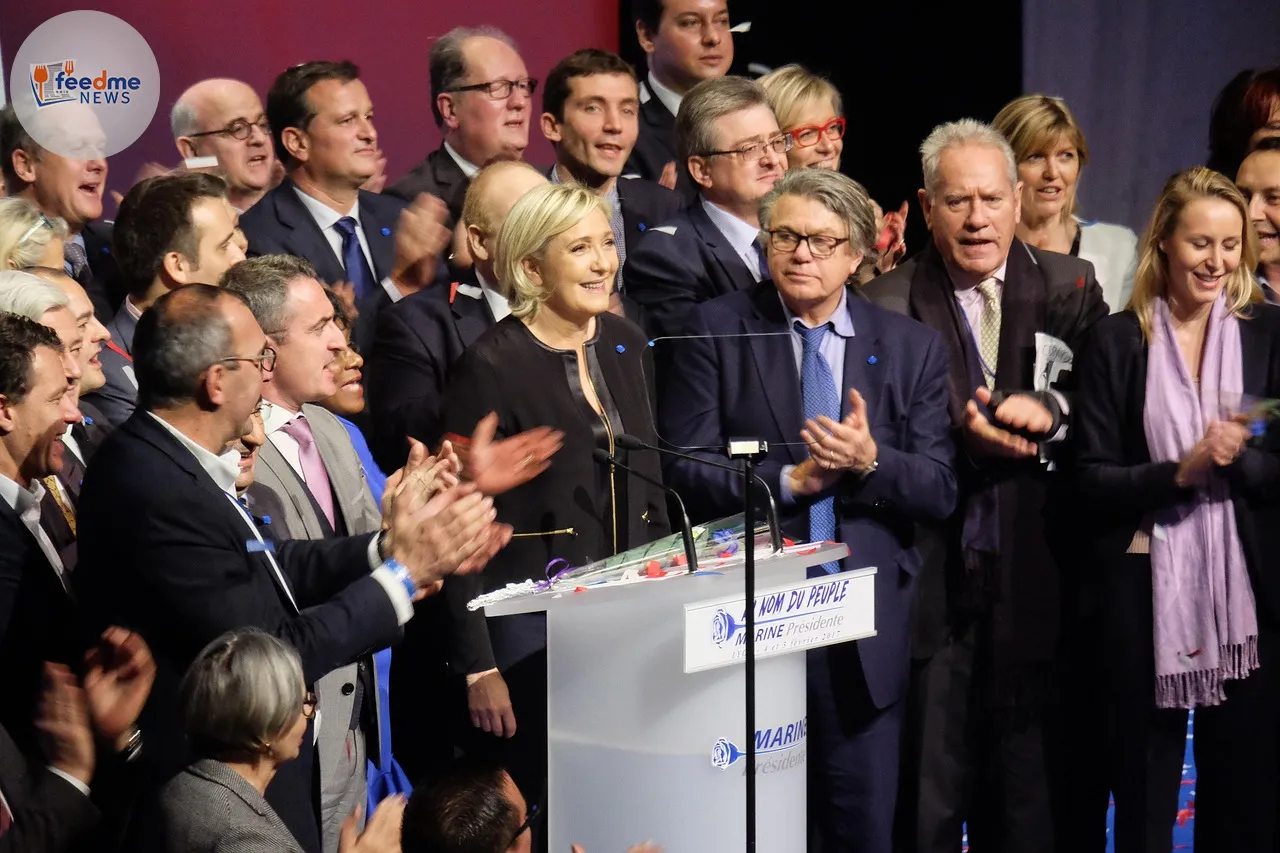


US President Donald Trump is set to attend the World Economic Forum’s annual meeting in Davos this week, leading a large US delegation to the gathering of political, business and civil society leaders. The delegation includes Secretary of State Marco Rubio, Treasury Secretary Scott Bessent, Commerce Secretary Howard Lutnick and special envoy Steve Witkoff. The meeting takes place under the theme “A Spirit of Dialogue” and brings together representatives from governments, multinational companies, international organisations and non-government groups.
The forum convenes at a time of heightened geopolitical and economic tension, with conflicts ongoing in Eastern Europe and the Middle East, shifts in global trade patterns, and debates over security, technology and economic governance. Delegates are expected to take part in formal sessions, bilateral meetings and private discussions throughout the week.
Composition of the US delegation
The US delegation includes senior officials responsible for foreign policy, finance, trade and international engagement. The Secretary of State oversees diplomatic relations and international negotiations. The Treasury Secretary manages economic policy, financial markets and fiscal matters. The Commerce Secretary leads on trade policy, industry relations and export controls. The special envoy role supports coordination across economic and business engagement.
Such delegations typically use Davos as a venue for scheduled meetings with foreign ministers, finance officials, central bankers and corporate leaders. Public appearances at the forum often run alongside a series of closed-door discussions focused on bilateral relations, investment conditions and sector-specific issues.
Event agenda and programme structure
The World Economic Forum’s annual meeting features plenary sessions, panel discussions and workshops covering global economic conditions, trade, security, climate policy, technology governance and development finance. Sessions are organised across thematic tracks, with parallel events taking place throughout the week.
In addition to public sessions, the forum hosts private roundtables and invitation-only meetings where government officials and business leaders exchange views on policy and commercial issues. Organisers typically schedule regional briefings, industry-focused discussions and stakeholder dialogues to run alongside headline speeches.
Global political and economic backdrop
This year’s meeting takes place amid uneven global growth, continued inflation pressures in some economies and ongoing debate over trade rules and industrial policy. Governments are addressing supply chain resilience, energy security and the economic impact of new technologies, including artificial intelligence.
The conflict in Ukraine continues, with Ukrainian President Volodymyr Zelenskyy among the leaders attending the forum. Discussions are expected to include security assistance, reconstruction planning and broader European security issues. Developments in the Middle East and tensions in other regions also form part of the wider context in which the meeting is held.
Participation by international leaders and institutions
Leaders and officials from Europe, the Americas, Africa, the Middle East and Asia are attending the forum. European Union institutions and member states are represented, alongside delegations from emerging and developing economies. International organisations and multilateral development banks are also present, providing briefings on funding programmes, humanitarian assistance and development initiatives.
These organisations typically use Davos to share updates on policy frameworks, financial commitments and international cooperation efforts. Civil society groups and academic experts contribute research and case studies to sessions on social, economic and environmental issues.
Role of business and corporate participation
More than 800 chief executives and board chairs from multinational companies are expected to attend, alongside investors and industry representatives. Corporate participants use the forum to meet policymakers, discuss regulatory developments and exchange views on market conditions.
Companies often schedule announcements, partnership discussions and investor briefings around the forum. While formal announcements vary by year, Davos provides a platform for organisations to outline priorities, assess policy direction and engage with decision-makers across sectors.
Technology, trade and regulation on the agenda
Technology governance and digital regulation remain prominent topics at global economic forums. Discussions at Davos include artificial intelligence, data policy, cybersecurity and the impact of automation on employment and productivity. Trade officials and business leaders are also addressing tariffs, standards and supply chain diversification.
Energy transition, critical minerals and infrastructure investment feature in sessions focused on climate policy and economic development. Finance officials are expected to discuss inflation trends, interest rates, sovereign debt and capital markets, reflecting ongoing adjustments in global financial conditions.
Security, logistics and local arrangements
Swiss authorities coordinate extensive security measures during the forum, including access controls, transport planning and temporary airspace restrictions. Local officials manage traffic arrangements, rail services and public safety operations in and around the resort town.
Davos adapts its infrastructure each year to accommodate thousands of participants, support staff and media representatives. Conference venues, hotels and temporary facilities host meetings, interviews and events throughout the week, with contingency planning in place for winter weather conditions.
Evolution of the forum and leadership transition
This year’s meeting follows a leadership transition at the World Economic Forum. Founder Klaus Schwab stepped down from the organisation’s board last year after more than five decades associated with the forum. An investigation by an external Swiss law firm cleared him of material wrongdoing following allegations related to governance and spending, according to a statement issued by the forum at the time.
Schwab is not expected to attend the 2026 meeting. The forum’s leadership has said it is focused on continuity in programming and engagement, with emphasis on multistakeholder dialogue between governments, businesses and civil society.
Scale and participation figures
Organisers expect more than 60 heads of state or government, around 55 economy and finance ministers and thousands of delegates overall. Corporate participants pay membership and attendance fees, while the forum subsidises participation by some representatives from civil society and developing countries.
The annual meeting continues to attract senior decision-makers despite debate over its role and influence in global affairs. Organisers say the forum provides a neutral platform for exchange, while critics question its accountability and impact.
What this means
The 2026 World Economic Forum meeting brings together political leaders, business executives and international organisations during a period of global uncertainty. Large national delegations, including the US contingent, indicate continued use of the forum as a venue for engagement on economic policy, security and trade.
The breadth of participation reflects ongoing demand for in-person dialogue among governments and businesses, even as global cooperation faces challenges. Discussions at Davos are expected to inform policy positions, commercial planning and international coordination in the months ahead.
When and where
The World Economic Forum annual meeting is taking place in Davos, Switzerland, during the week of January 2026. US participation and delegation details were confirmed ahead of the opening session.