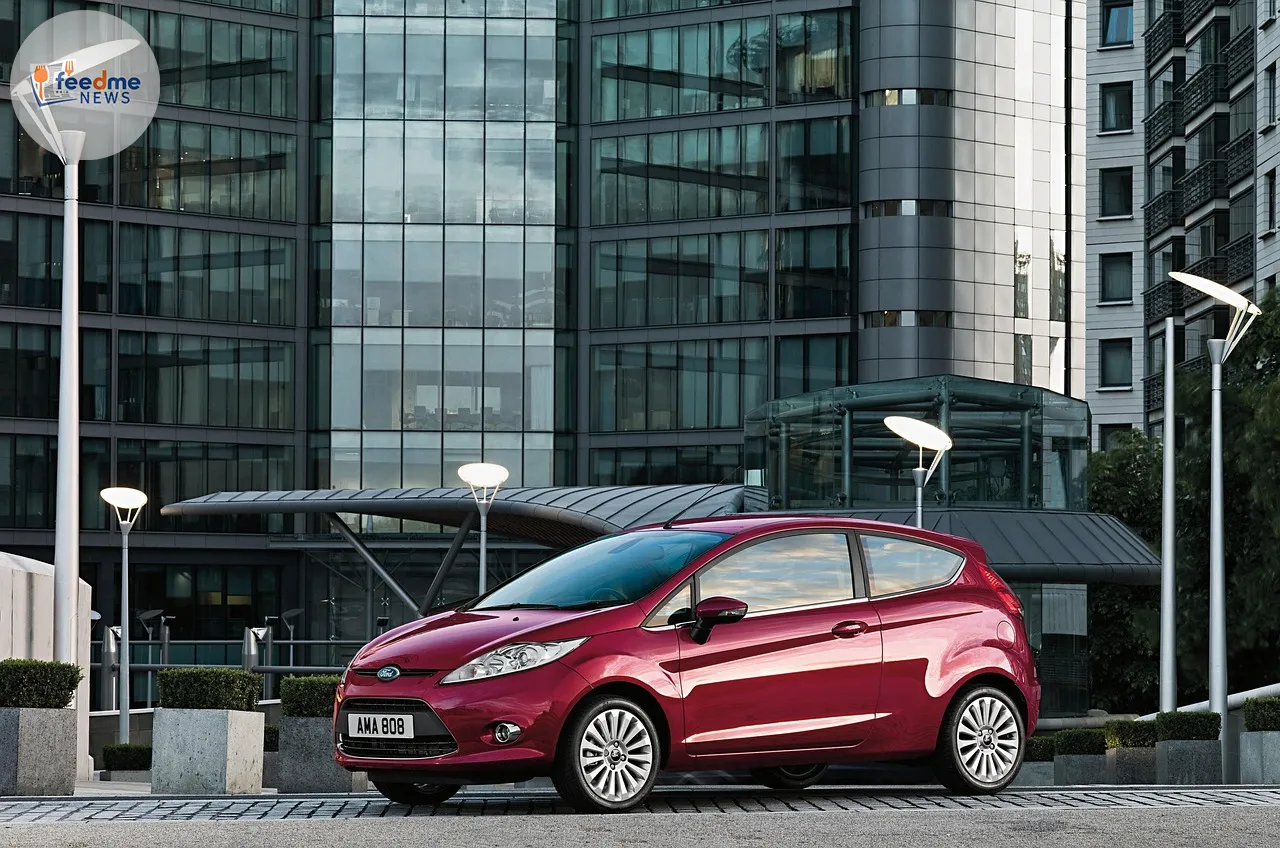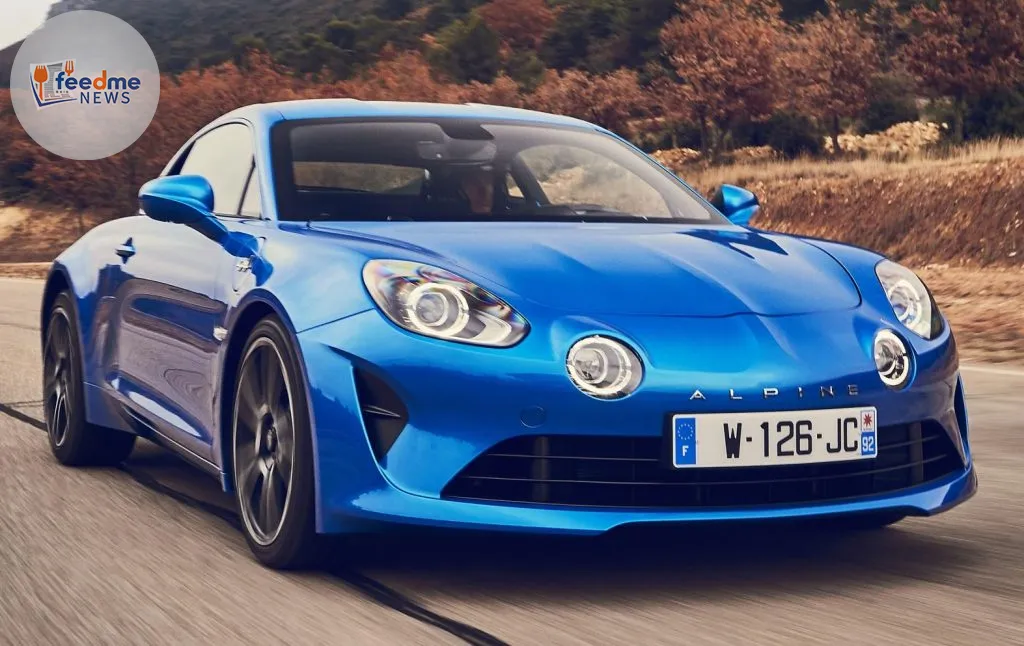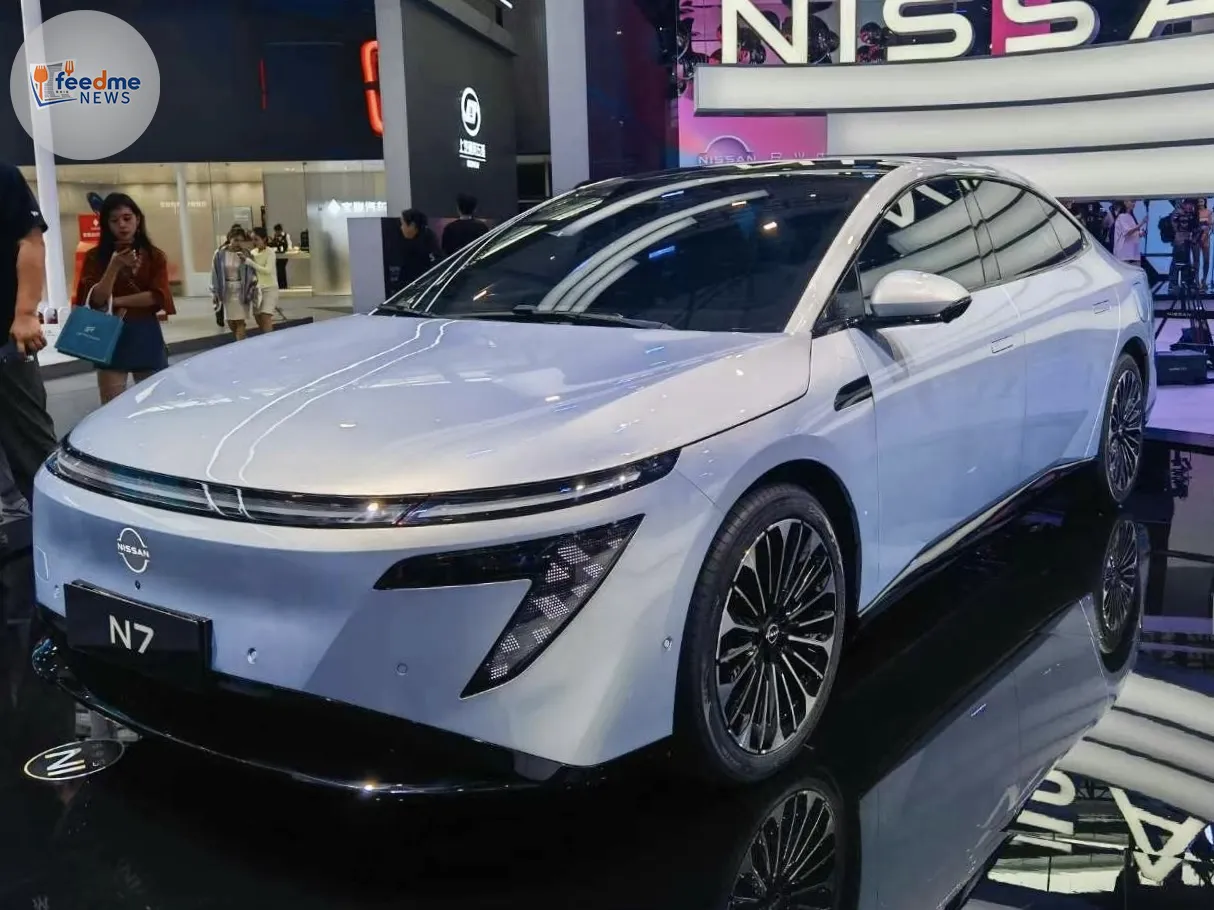


Renault recorded higher sales in 2025, supported by a strong rise in electric vehicle demand across its line-up. The brand’s electric vehicle sales grew by 76 per cent year on year, helping to lift overall volumes and strengthen its position in a market where electrification continues to shape buying decisions and regulatory priorities. Sister brands Dacia and Alpine also delivered positive results, adding momentum within the wider Renault Group. The performance underscores how growing interest in battery-powered models and a broader mix of brands can support commercial gains as manufacturers face tighter emissions rules and fast-changing consumer expectations. It also shows how established carmakers are adapting their ranges and sales strategies as more drivers consider their first fully electric car.
The update relates to 2025 performance, reflecting sales activity over the calendar year. It points to broad progress across Renault Group brands, with the largest push coming from the company’s electric range. While full regional breakdowns and model contributions were not detailed, the headline rises indicate a year defined by higher volumes in key segments and a clearer shift towards zero-emission vehicles.
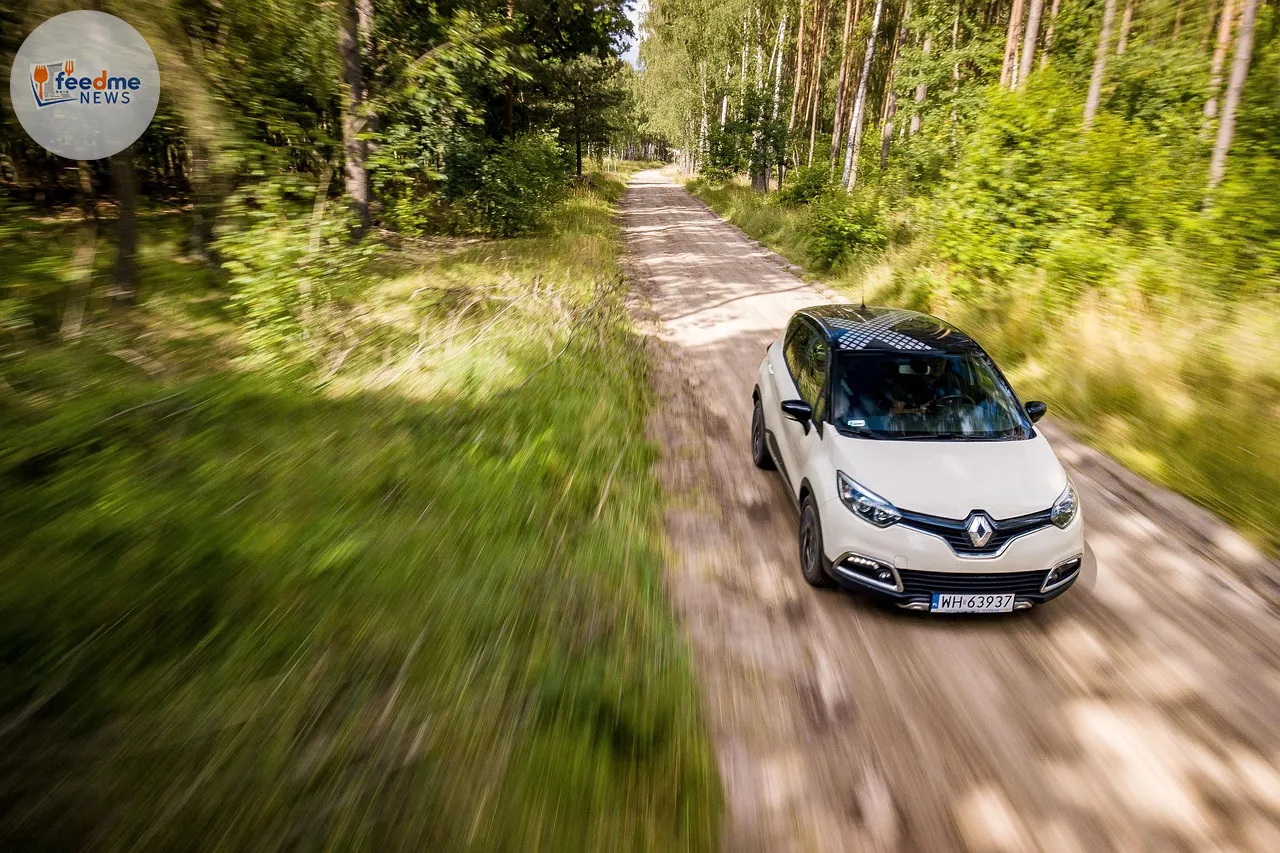
EV surge anchors Renault’s 2025 rebound
A 76 per cent jump in electric vehicle sales marked the standout trend in Renault’s 2025 results. This growth suggests more customers chose fully electric models, which run on battery power rather than an internal combustion engine. Such vehicles produce no tailpipe emissions and can be charged at home, at work, or on public networks. Rising EV demand often reflects more charging access, a broader choice of models, and clearer running-cost savings for some drivers, especially those with regular home charging.
For established brands, stronger EV uptake also supports compliance with emissions rules in major markets. Regulators in Europe and the UK assess average CO2 output across a carmaker’s fleet. A higher share of zero-emission vehicles helps reduce that average, lowering the risk of penalties. Manufacturers therefore track EV sales closely, not only as a signal of customer appetite but also as a tool for meeting binding environmental targets.
Dacia and Alpine add momentum within the group
Dacia, Renault Group’s value-focused brand, also posted good news in 2025. The marque has built its presence by offering straightforward, affordable cars with simple trim lines and predictable running costs. Positive results here signal steady demand for budget-conscious vehicles during a period of higher living costs in many markets. While the figures were not disclosed in detail, improved performance at Dacia adds volume and market coverage to the group’s overall mix.
Alpine, the group’s performance brand, likewise registered progress. Alpine focuses on lightweight sports cars and brand-led projects, distinct from Renault’s mainstream lines. Growth at Alpine contributes brand equity and reinforces the group’s reach in enthusiast segments. Together, better outcomes at Dacia and Alpine complement Renault’s EV-led gains by balancing value, performance, and electrification under the same corporate umbrella.
Why electric sales growth matters for compliance
Across Europe and the UK, tighter fleet emissions rules continue to shape carmakers’ product plans. In practice, regulators measure the average CO2 emissions of all new cars a manufacturer sells within a given period. Electric vehicles, which produce no CO2 at the tailpipe, help bring that fleet average down. As the targets become stricter over time, brands must either sell more low- or zero-emission vehicles, improve the efficiency of their combustion models, or face potential fines.
A sharp rise in EV sales therefore delivers both commercial and regulatory benefits. It helps the brand reach more customers early in the shift to electric, and it supports the compliance metrics that determine whether a fleet meets legal thresholds. This framework has been central to product planning and sales strategies in recent years, driving the addition of electric models and the marketing support around them.
What counts as an EV and how it changes ownership
Electric vehicles, often called battery electric vehicles or BEVs, run entirely on electricity stored in a battery pack. Drivers charge them using an AC home wallbox or at public chargers, which include both slower AC units and faster DC rapid chargers. EVs have fewer moving parts than petrol or diesel cars, which can mean lower maintenance needs over time. Owners often focus on charging access, typical daily mileage, and electricity tariffs to manage running costs.
Charging speeds and range depend on the car’s battery size, its charging hardware, and the power output of the charging point. Many drivers use home charging overnight to cover daily use, with public charging topping up on longer trips. Public networks have grown in many regions, but availability can vary by area. Understanding connector types, charging speeds, and payment methods helps new EV owners plan their journeys and costs.
Charging, incentives, and the path to wider adoption
Many countries continue to expand public charging infrastructure, adding rapid and ultra-rapid chargers at motorway services and urban hubs. Workplace charging also supports drivers without off-street parking. Incentives and local rules differ by market and can include reduced vehicle taxes, lower company car rates, and access benefits such as discounted parking or road charges. These measures can encourage uptake by improving the total cost of ownership.
Vehicle supply, dealer readiness, and customer education also affect adoption rates. Clear guidance on charging options, battery warranties, and servicing intervals remains important for first-time EV buyers. As brands scale up electric sales, aftersales support and reliable software updates become ongoing parts of ownership. These factors help maintain resale values and customer confidence, which in turn supports future sales growth.
The broader market context and supply considerations
Global supply chains for semiconductors and battery materials have eased compared with the most acute disruption of recent years, but cost pressures and logistics still influence production planning. Carmakers balance output across electric and combustion models to match demand, manage factory loads, and meet regulatory targets. Dealer stock levels and lead times can vary by market and model.
For a group with mainstream, value, and performance brands, spreading risk across segments can help smooth sales cycles. Growth in electric vehicles alongside stable demand for affordable models can support overall resilience. This blend appears to have contributed to Renault Group’s performance in 2025, with EV-driven gains complemented by positive momentum at Dacia and Alpine.
When and where
The 2025 sales uplift, including the 76 per cent rise in Renault’s electric vehicle sales and positive updates for Dacia and Alpine, was reported on 20 January 2026 by Auto Express.
What this means
For drivers, the rise in Renault’s electric sales suggests a wider choice of battery-powered cars and growing confidence in everyday electric use. It also reflects broader shifts in the market, where emissions rules and running-cost advantages are pushing more buyers to consider zero-emission models. For owners, key factors such as home charging access, public network growth, and clear servicing support remain central to a smooth switch. For the industry, better results at Dacia and Alpine show the value of a balanced brand line-up that spans affordability and performance while the core marque advances on electrification. The combined effect is a stronger footing for Renault Group as regulations tighten and customer expectations evolve, with 2025 marking a year in which electric sales gains played a leading role.