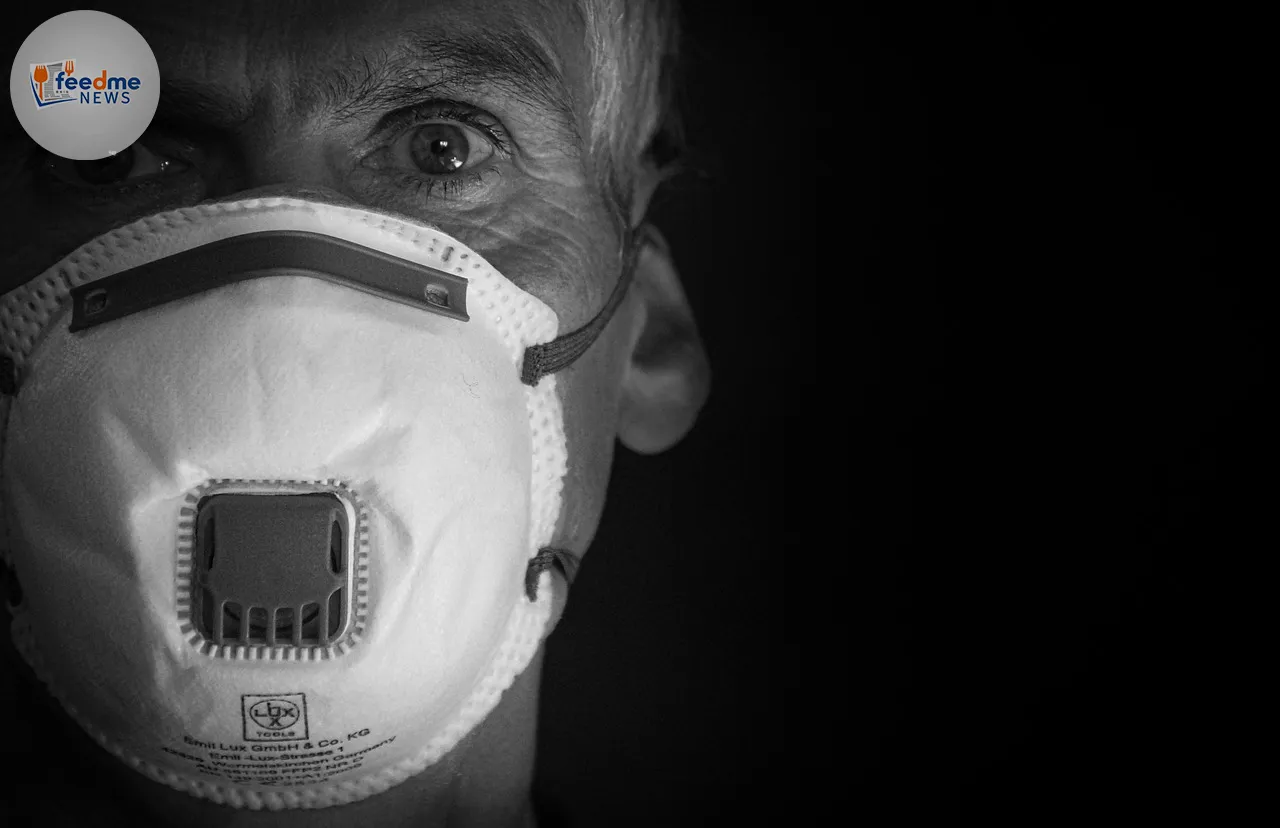


NHS England has reported more than 10,000 calls to Martha’s Rule helplines in the first 16 months of the scheme, underscoring growing use of a patient safety measure designed to secure urgent reviews of care. The health service said the calls have saved lives and led to thousands of patients receiving changes to their treatment. Around a third of calls (34%, or 3,457) prompted swift action to address urgent concerns, according to newly released data. The figures point to significant public and staff engagement with the helplines, which allow patients, families, and healthcare workers to seek an immediate second opinion when they believe a condition is getting worse or care is not responding. NHS leaders say the results reflect a system shift toward faster escalation and greater openness in hospitals.
NHS England released the data on Monday, 9 March 2026. The scheme operates across hospitals in England.

What Martha’s Rule provides and how it works
Martha’s Rule gives patients, their families, and staff a direct route to request an urgent clinical review from a senior team if they fear a patient is deteriorating or if current care is not addressing their concerns. The model centers on visible, easy-to-use helplines in hospitals. Callers can seek a rapid second look by clinicians who are not part of the patient’s immediate ward team, with the aim of catching problems early and avoiding delays in treatment.
The premise reflects long-standing patient safety guidance: early recognition of deterioration and timely escalation reduce the risk of severe harm. By creating a standard way to raise a red flag, the helplines formalize what many hospitals have tried to do informally for years. They also make it clearer to patients and carers (who often spot changes first) how to seek help without navigating complex hospital hierarchies.
Data signals strong uptake and meaningful action
NHS England’s update shows more than 10,000 calls to Martha’s Rule helplines over the first 16 months of the scheme. That level of use equates to hundreds of escalation requests each month across England. The health service reports that 34% of calls, or 3,457, resulted in fast action to address urgent clinical issues, indicating that the helplines are not only active but consequential for patients.
Officials also state the helplines have saved lives and helped thousands benefit from changes to their care plans. While further detail on outcomes was not included in the summary, the figures suggest the mechanism is identifying patients who need immediate attention and prompting adjustments that matter at the bedside. The results provide early evidence that structured escalation routes can complement existing safety systems like early warning scores and rapid response teams.
The legacy of Martha Mills and the push for a right to urgent review
The programme draws its name and impetus from the death of 13-year-old Martha Mills in 2021, a case that sparked a nationwide call for families to have a clear right to request an urgent clinical review. Her parents led a public campaign after raising concerns that escalation did not happen in time. Their advocacy highlighted the need for simple, reliable escalation routes that empower patients and carers and avoid delays caused by uncertainty over who to call or how to act.
In response, health leaders moved to codify a direct line for urgent review in hospital settings. Martha’s Rule aligns with broader patient safety goals: encourage staff to speak up, involve families in care decisions, and create consistent processes for handling deterioration. It also echoes the theme emerging in safety investigations across the health system; communication breakdowns and unclear escalation pathways can have severe consequences.
Practical implications for hospitals and clinical teams
Hospitals adopting Martha’s Rule must ensure round-the-clock capacity to assess calls, communicate clearly with families, and deliver reviews by senior clinicians outside the immediate treating team. That requires workforce planning, training on triage and communication, and integration with existing rapid response structures. It also depends on clarity over thresholds: what constitutes a red flag, how to prioritize concurrent calls, and how to document and act on findings.
The data suggests these operational demands are being met at scale. For trusts, the helplines create an additional safety net and a feedback signal. Clusters of calls can help clinical leaders spot patterns (such as delays in investigations, missed early warning signs, or handover gaps) and act to strengthen local systems. At the same time, visible escalation routes build public confidence that concerns will lead to a timely and independent review.
A changing culture of escalation and accountability
Martha’s Rule sits within a wider cultural shift that asks clinicians to listen closely to patients and families, invite second opinions, and use early escalation as a default rather than a last resort. The reported rate of calls leading to urgent action shows the helplines are surfacing real risks and prompting course corrections. Patient safety experts have long argued that families can detect subtle changes that standard observations may miss; the helplines turn that insight into a formal trigger for action.
For staff, the scheme can reinforce a speak-up culture. It provides a backstop if bedside teams face competing priorities or uncertainty about the speed of deterioration. It also gives junior clinicians and nurses a route to secure rapid senior input without delay. Together, these features can help avoid the “quiet deterioration” scenarios that feature in many safety reviews.
Monitoring impact and what to watch next
While the headline numbers indicate strong early impact, ongoing monitoring will matter. Key questions include how consistently helplines operate across hospitals, how quickly teams respond, and what proportion of calls lead to concrete changes in care. Trusts will also need to sustain public awareness, so patients and carers know the helpline exists and feel confident using it. Clear signage, leaflets, and information at admission and bedside can help.
Further analysis of outcomes (such as transfers to higher-acuity care, earlier diagnosis, or shorter hospital stays) would show where the scheme delivers the greatest benefits. Insights from the first 16 months can guide training, refine triage processes, and ensure equity of access across different patient groups and regions. As with all safety interventions, transparency about performance and learning will be critical to long-term success.
The new NHS England data marks a notable milestone for Martha’s Rule: thousands of families and staff have used a clear route to raise the alarm, and a substantial share of those calls prompted urgent action. The figures suggest a practical shift in how hospitals handle concerns about deterioration, with helplines saving lives and driving timely changes to care. The next phase will focus on consistency, awareness, and robust measurement, so every hospital can deliver the same rapid response when it matters most. If those elements hold, the scheme is set to remain a central pillar of patient safety in England’s hospitals.