

A new curated round-up of boutique hotels in Lisbon outlines a selection of small-scale, design-led stays across the Portuguese capital. Published by The Telegraph, the piece compiles options that fit the “boutique” label rather than the large-chain end of the market. The list appears aimed at travellers planning city breaks and short stays that prioritise location and character. While the round-up presents choices rather than advice, it provides a snapshot of current offerings in central neighbourhoods and emerging districts. It also reflects ongoing interest in independent and mid-size hotels in Lisbon, a city with a broad accommodation mix ranging from historic conversions to newer builds.
The round-up functions as a reference point rather than a booking tool. It collates properties in one place, notes stylistic features, and situates hotels within the urban layout of Lisbon. For readers, the coverage maps onto the reality of the city’s dense historic core, hillside streets and varied quarters.
Scope and limits of the curated list
The round-up focuses on boutique hotels in Lisbon proper. It does not address hostels, serviced apartments or short-term rentals, nor does it function as a full citywide directory. Instead, it highlights a selection of properties that fit common usage of the boutique label: smaller footprints than large chains, distinct interiors, and individual positioning. The coverage offers a cross-section of options rather than a comprehensive survey of every hotel in the category.
The list provides contextual detail on style and setting. It gives readers a sense of where properties sit within the city’s urban fabric, though it does not expand into day-by-day planning, pricing comparisons or booking advice. The approach prioritises clarity about what is included and leaves out broader accommodation formats and non-hotel lodging.
How the coverage fits Lisbon’s hotel landscape
Lisbon’s accommodation mix includes independent hotels, guesthouses and international brands operating in central and riverside areas. Boutique-scale properties often occupy renovated historic buildings or modern infill sites embedded in neighbourhood streets. The round-up aligns with that landscape by bringing together a range of small and mid-size hotels under one theme, collating them in a single reference.
The city’s topography and protected heritage zones shape how and where boutique hotels operate. Many buildings sit within narrow streets and steep hills, which influences access, room layouts and the presence or absence of on-site amenities. The curated list reflects these realities by focusing on hotels that integrate with historic districts and established commercial streets.
Access and transport to hotel districts
Lisbon’s Humberto Delgado Airport connects to central districts by metro, bus and licensed taxis. The metro network links the airport to interchange stations for Baixa, Chiado and other core areas. Carris buses and trams provide surface access across the city, while mainline rail stations at Santa Apolónia and Oriente connect Lisbon to wider Portugal. Ride-hailing services operate within regulation, and official taxi ranks sit at transport hubs and major squares.
For guests, access often depends on the neighbourhood’s street pattern. Areas such as Alfama, Baixa and Chiado feature cobbled streets and stairways. Hotels in these districts typically advise on the nearest metro stop or drop-off point. Riverside zones and newer districts offer flatter routes and broader pavements. The round-up’s focus on boutique properties across multiple areas helps readers match their travel plans to transport links and urban terrain.
Neighbourhood context and hotel placement
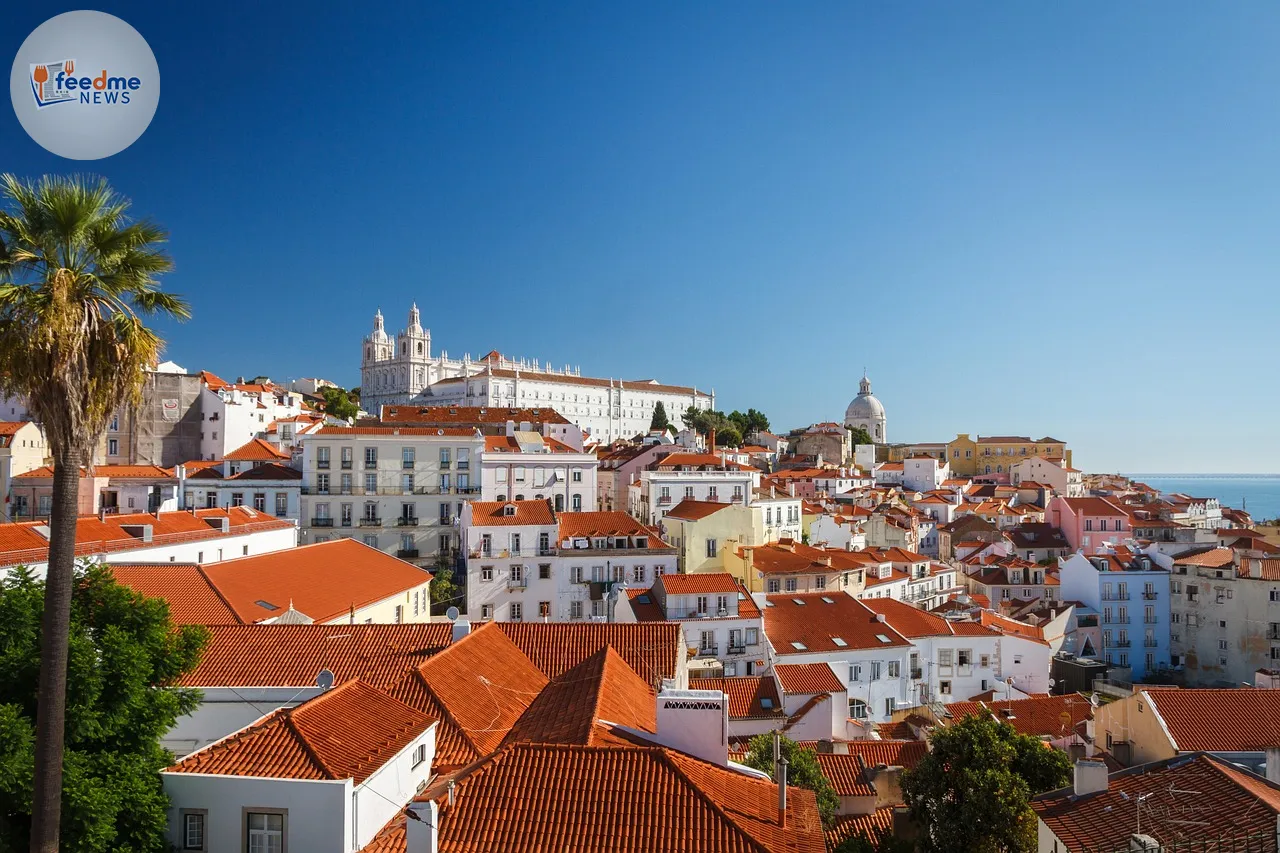
Lisbon’s central neighbourhoods house many boutique-scale hotels. Baixa and Chiado sit close to the river and the main shopping streets. Alfama and the castle hill feature historic lanes and viewpoints. Bairro Alto and Príncipe Real offer night-time venues, small shops and gardens at higher elevation. Belém, further west along the river, includes major monuments and museums. Parque das Nações, to the northeast, presents contemporary architecture and larger development plots near Oriente station.
The curated list situates hotel options within this network. While it does not serve as a map or transport guide, the coverage gives basic orientation for readers comparing location, access and surrounding streetscapes. This supports practical planning such as arrival routes, walking distances and proximity to cultural sites without advising on itineraries.
Operational features typical of boutique hotels
Boutique properties usually run with fewer rooms than large international hotels and offer tailored interiors and smaller shared areas. Many operate with compact reception spaces, limited lifts in historic buildings and focused food and beverage services. Some provide rooftop terraces or courtyards where the structure allows. Others emphasise in-room features over extensive on-site facilities.
The round-up touches on these distinctions by choosing hotels that present a defined style and a limited scale. It does not assess service standards or compare prices. Instead, it sets out options that match the boutique category, allowing readers to identify the type of experience they want, from quiet residential streets to busier commercial zones.
Practical considerations for stays in the city centre
Lisbon’s historic core concentrates major landmarks, public squares and transit links within a compact area, which can reduce travel time during city breaks. Street gradients and narrow pavements can affect movement, particularly for guests with luggage or mobility needs. Hotels often provide arrival and access information to help guests plan routes from metro stations or taxi drop-offs.
Noise and opening hours vary by district. Areas with late-night venues can experience a different sound profile than residential streets. Hotel placement within a block and the type of windows and insulation can influence in-room conditions. The curated list does not assess these factors, but it points readers to properties where location and building features can be checked directly with the hotel if needed.
Editorial approach and verification
The Telegraph’s round-up presents curated entries rather than user-generated reviews. It sets editorial scope at boutique hotels in Lisbon, drawing a boundary around the category to maintain focus. That approach favours clarity over breadth, and readers should note that any list of this type represents a selection at a point in time.
As with all curated media lists, inclusion does not claim exclusivity or ranking beyond the stated theme. The piece offers a structured overview without covering every eligible property or providing a dynamic inventory of openings and closures. Travellers seeking operational details such as accessibility features, check-in requirements or renovation schedules should confirm them with hotels before booking.
What this means
- Travellers can use the round-up as a starting point to understand boutique hotel options in Lisbon’s central and riverside districts.
- The coverage brings multiple properties into one place, which can save time when comparing locations and styles.
- The list does not cover other lodging categories, price comparisons or live availability, so travellers should verify operational details directly with hotels.
- For operators listed, inclusion places their properties within a widely read media format, highlighting location and design alongside other boutique hotels in the city.
The Telegraph’s curated overview of boutique hotels in Lisbon provides a consolidated look at small-scale, design-led accommodation in the Portuguese capital. It outlines options by style and placement without offering booking advice or comprehensive coverage of all lodging types. Readers can treat it as a snapshot of boutique choices within the city at the time of publication and confirm current operational details with individual properties as needed. The update frames Lisbon’s boutique landscape in a single reference, setting clear limits on scope while providing practical context on location and access.