

Households weighing a switch to low carbon heating are facing a clear claim and a more complex reality. Octopus Energy says heat pumps can cost around £200 less per year to run than gas boilers. At the same time, new reporting and guidance show that real world results vary between homes. Alongside the headline figure, experts are setting out how to estimate electricity use and annual costs, making it clear that performance, tariffs, and property type all shape the outcome.
The reports were published in the UK by Homebuilding & Renovating in late March and early April 2026, reflecting growing interest in heating costs as households review options ahead of colder months.
Octopus’s £200 claim meets mixed real world results
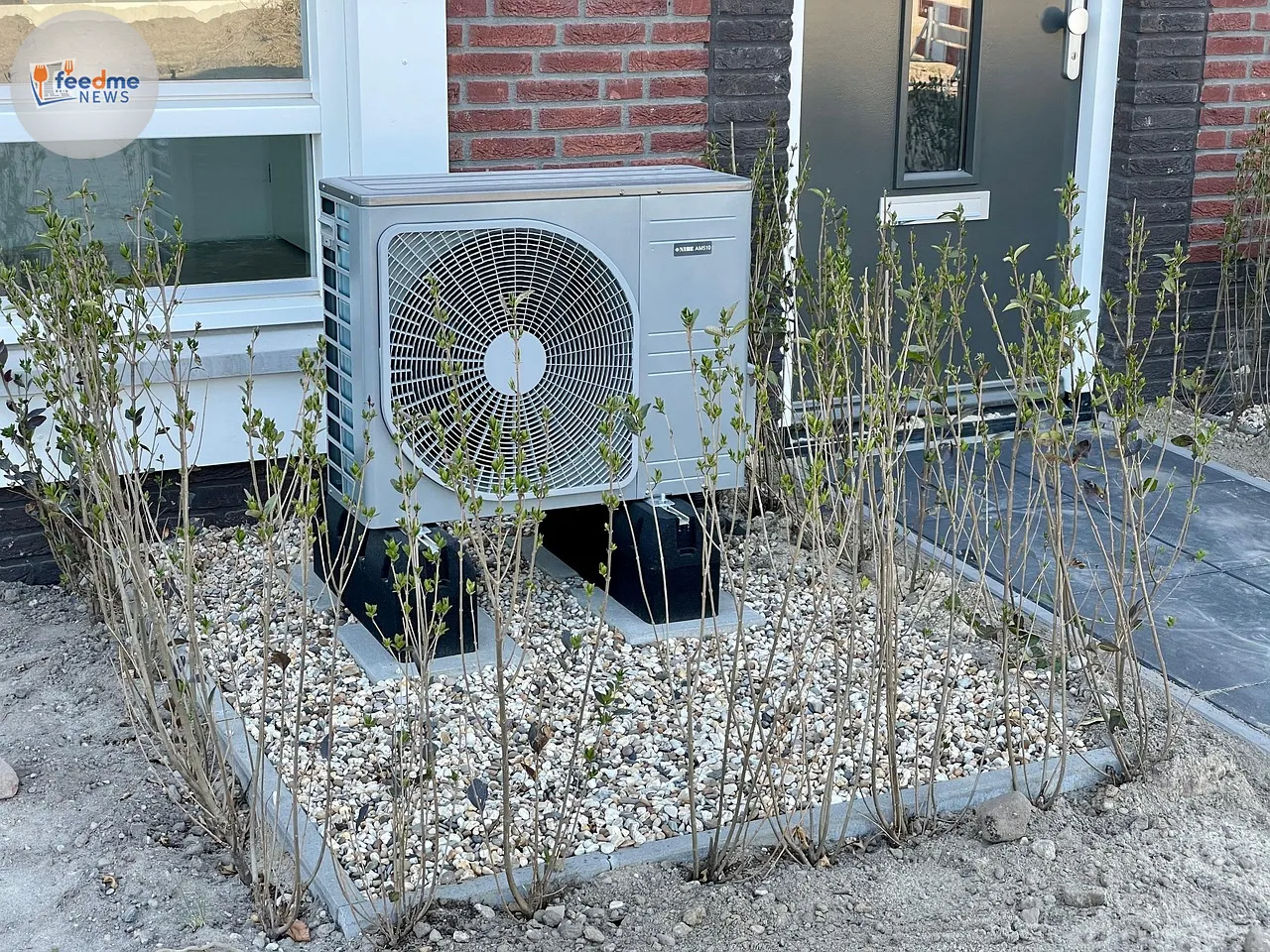
Octopus Energy’s claim is based on data gathered from thousands of installed systems. The company says many households using its heat pump tariff are seeing lower annual heating costs compared to gas. In some cases, savings are reported at just over £200 per year, with systems delivering more than four units of heat for each unit of electricity used.
This reflects the core advantage of heat pumps. Instead of burning fuel, they move heat from the air or ground into the home, which can make them more efficient overall.
However, wider evidence shows that outcomes are not consistent across all homes. While some households do achieve savings, others report similar or higher running costs. Differences in insulation, system design, and electricity pricing all influence the final result. Electricity typically costs more per unit than gas in the UK, which can reduce or remove the expected savings if a system is not running efficiently.
The result is not a simple comparison. Rather than one system always being cheaper, the balance depends on how each home uses energy and how well the heating system is matched to it.
Estimating heat pump electricity use and annual bills
Alongside the cost debate, guidance explains how households can estimate potential running costs. The starting point is annual heat demand, which can often be based on previous gas or oil usage.
Heat pump efficiency is measured using a coefficient of performance. This shows how much heat is produced for each unit of electricity used. For example, a system with a coefficient of 3 would deliver three units of heat for every unit of electricity.
In practical terms, a home needing around 12,000 kilowatt hours of heat each year might use roughly 4,000 kilowatt hours of electricity if operating at this level of efficiency. That figure can rise or fall depending on how hard the system has to work.
Efficiency is affected by temperature differences. When outdoor temperatures drop or higher heating temperatures are required indoors, the system works harder and uses more electricity. This is why real world performance often differs from headline figures.
Energy prices, standing charges, and tariff choice
Running costs are shaped by the relationship between electricity and gas prices. While heat pumps are more efficient, electricity is usually more expensive per unit, so the overall cost depends on both efficiency and tariff.
Time of use tariffs can make a noticeable difference. Households that are able to use more electricity during cheaper periods may reduce their annual costs. In contrast, those on standard tariffs may see smaller savings or none at all.
Standing charges also contribute to total bills. While they do not change with usage, they still form part of the yearly cost and can affect the overall comparison between heating systems.
Recent estimates suggest that a typical air source heat pump may cost between £900 and £1,200 per year to run, compared with around £1,400 to £1,800 for a gas boiler under standard conditions. However, these figures vary depending on the home and tariff used.
What households should consider before switching
For households considering a move to a heat pump, the most reliable approach is to assess their own property rather than rely on headline savings. Insulation levels, heating system design, and access to suitable tariffs all play a role in determining running costs.
Well insulated homes with lower heating temperature requirements are more likely to benefit from improved efficiency. Systems that are properly designed and set up to run steadily also tend to perform better over time.
The wider evidence suggests that heat pumps can offer lower running costs in some cases, particularly where conditions are favourable. However, results vary, and savings are not guaranteed across every home.
The key message is that while headline figures point to potential savings, the actual outcome depends on how each system performs in real conditions.