


Superdrug plans to open 30 new UK stores in 2026, expanding its national footprint from 780 shops and signalling renewed investment in physical retail across the health and beauty market. The company has set out a list of locations for the new sites, pointing to a broad rollout that spans multiple regions. The move adds scale to one of the largest health and beauty chains in the country and highlights ongoing demand for affordable cosmetics, toiletries and personal care products on local high streets and in retail parks. It also reflects wider sector dynamics, as brands continue to balance store presence with online channels and delivery services.
The store openings cover UK locations with new sites scheduled throughout 2026. Details of the planned towns and cities were released on 9 February 2026, outlining the breadth of the expansion and the pace of the rollout over the next calendar year.
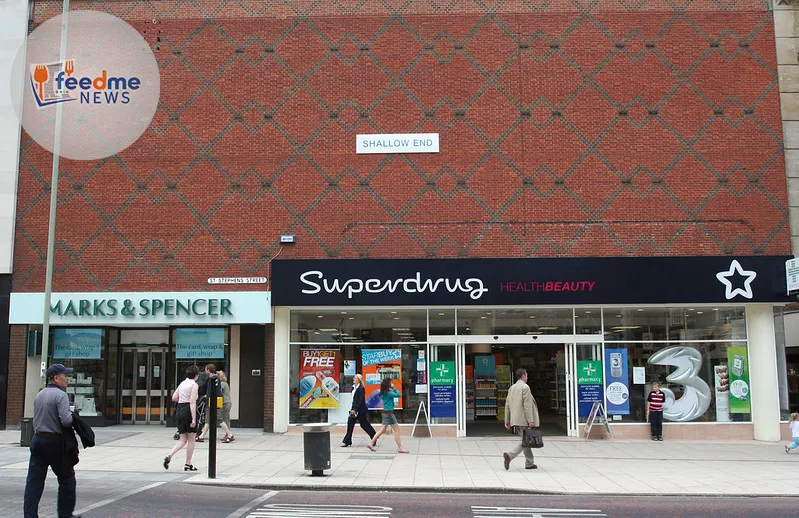
A larger store network to reach more shoppers
The plan to add 30 shops to a 780-strong estate marks a significant increase in Superdrug’s bricks-and-mortar presence. Health and beauty chains rely on proximity and convenience; a larger network can bring shorter travel times for regular purchases and pickup options. The disclosed list of sites indicates a spread across the UK, which suggests the company aims to reach both dense urban areas and growing regional centres.
A broader estate also tends to support nationwide marketing. As retailers increase store coverage, national campaigns often gain traction through consistent in-store displays, local window promotions and promotional calendars aligned to seasonal peaks. In health and beauty, those peaks typically include holiday gifting, back-to-school, and warm-weather skincare periods. While specific local tactics vary by place, a larger base of stores improves visibility and reach for product launches and brand partnerships.
High street confidence amid changing footfall
The decision to invest in physical stores highlights an enduring role for the high street in everyday retail. Health and beauty belongs to a group of categories that see frequent, low-value purchases, which can favour local stores close to home or work. Retail parks and transport hubs also play a role, offering parking access and extended hours that support regular shopping trips.
Footfall patterns continue to shift between city centres, suburban high streets and destination malls. A 30-store rollout suggests Superdrug sees stable or improving conditions for footfall recovery in selected locations. Site selection in this context often takes into account rent levels, neighbouring anchors, transport links and the local mix of independent and national retailers. Each factor can influence visit frequency and average basket size.
Store rollouts and the balance with e-commerce
The new openings arrive at a time when brands continue to refine omnichannel models. In health and beauty, stores commonly support click-and-collect, returns, and same-day pickup. These services can reduce last-mile delivery costs and address customer needs for speed, especially with replenishment products such as shampoo, skincare and cosmetics.
Physical stores also act as marketing touchpoints. In-person testing, shade matching, and merchandising can lift awareness and prompt discovery in ways that online browsing does not always match. For digital teams, store performance data can feed into search and product pages, helping online channels surface relevant items for local stock availability. Retailers that blend store and online data can improve product assortment and page visibility without altering their broader media budgets.
Property, fit-out and supply chain effects
Opening 30 locations demands activity across property, shopfitting and logistics. New leases or unit conversions require planning approvals, design work, and coordination with landlords and local authorities. Fit-out programmes typically involve shelving, lighting, signage and point-of-sale integration. For health and beauty specialists, fixtures must support both fast-moving basics and higher-margin cosmetics, with secure units where needed.
The supply chain impact extends from distribution centres to local delivery schedules. Additional stores can prompt adjustments in warehouse picking volumes, route planning and stock cover policies. In personal care, retailers usually maintain wide ranges with regular line changes and promotional cycles. Ensuring on-shelf availability during new-store ramp-up is a core operational task during expansion phases.
Competitive signals in health and beauty retail
Superdrug’s expansion arrives as competition intensifies across pharmacies, supermarkets and speciality beauty retailers. Grocers continue to grow health and beauty aisles, using weekly visits to capture routine purchases. Specialist players focus on curated assortments, own-brand ranges and value pricing. In parallel, pure-play e-commerce sites invest in fast delivery and a broad long tail of SKUs.
A larger store network can influence supplier negotiations and in-store placement. Health and beauty brands often seek national distribution and prominent fixtures to reach mainstream shoppers. For manufacturers, expanded retail coverage offers more points of sale for launches and travel-size formats designed for convenience shopping.
Local marketing and brand visibility
New store openings typically coincide with local marketing pushes, including outdoor ads, regional radio, social posts and targeted search activity around opening dates. While formats vary, the aim is to drive awareness in immediate catchment areas and to build early repeat visits. In health and beauty, opening weeks often focus on introductory promotions, clear navigation to everyday essentials, and visible displays for trending items.
Visual merchandising and store layout play a role in how shoppers move through aisles. Chains often place daily-use products in easy-to-find sections and cluster cosmetics and skincare by brand or purpose. A stable format across locations helps returning customers navigate quickly, while endcaps and promotional bays signal time-limited offers.
Workplace impact and staffing needs
An expansion of 30 stores requires new hiring, training and scheduling. Frontline teams handle replenishment, customer service, checkout and compliance checks where relevant. Training covers product knowledge, till systems and safety procedures. In beauty and personal care, product familiarity helps staff answer routine questions about ingredients, suitability and new lines.
Retailers also manage rostering to match demand peaks, which often occur at lunchtime, after work, and on weekends. Early-stage store teams sometimes include experienced staff from nearby locations to help bed in routines and build local knowledge.
What this means
- More choice on the high street: A 30-store increase expands physical access to health and beauty products, including everyday essentials and seasonal lines.
- Greater retail activity in local areas: New sites bring fit-out work, ongoing deliveries and store teams, adding to local commercial activity.
- Ongoing role for shops alongside online: The rollout underlines how stores and e-commerce work together in health and beauty, with in-person testing, quick pickup and online browsing each playing distinct roles.
- Heightened competition for shelf space: More locations can intensify competition among brands for in-store fixtures and launch visibility.
- Operational focus on availability: Expansion puts attention on supply chains, store layouts and promotional calendars to keep shelves stocked and navigation clear during opening periods.
When and where
Details of Superdrug’s 2026 store expansion and the full list of locations were published in UK regional news reports on 9 February 2026.