


UK Prime Minister Keir Starmer has travelled to China on the first visit by a British leader since 2018, as political attention at home focuses on how his government handles internal party disputes alongside sensitive international relationships.
The Beijing trip comes amid criticism within the Labour Party over the decision to block Greater Manchester mayor Andy Burnham from standing in a forthcoming parliamentary byelection. While the issue does not pose an immediate threat to Starmer’s leadership, it has highlighted tensions between party management and wider questions of political direction.
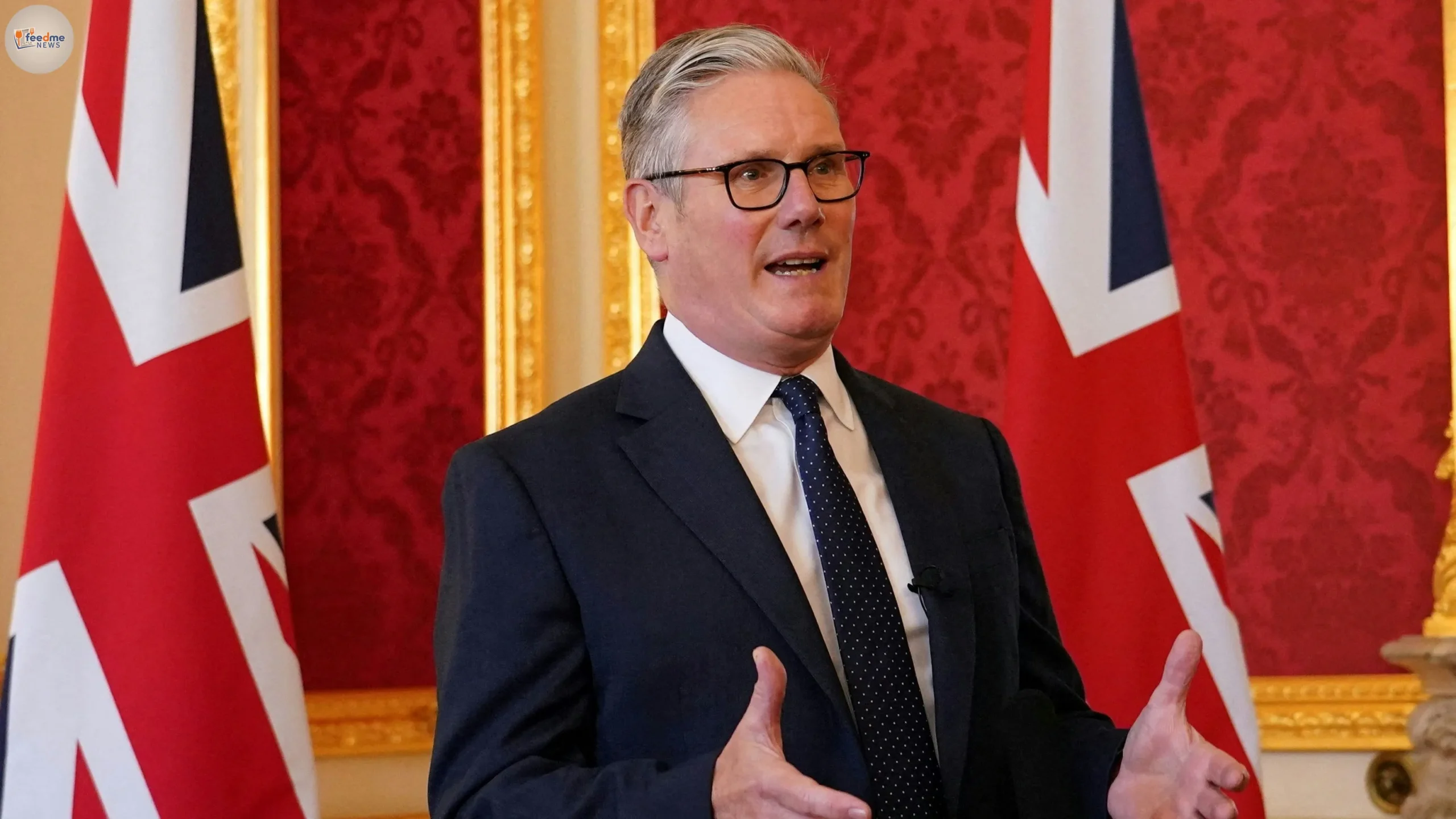
Balancing domestic politics and foreign engagement
Downing Street has framed the China visit as a significant diplomatic step, aimed at rebuilding dialogue with China after several years of strained relations. The government has argued that engagement is necessary to protect UK economic and security interests, even where disagreements remain over issues such as espionage, human rights and China’s relationship with Russia.
At the same time, the row over Labour’s internal candidate selection has prompted questions about how the prime minister prioritises domestic political management. Critics say the episode illustrates a broader pattern of avoiding divisive debates within the party, while supporters argue it reflects a desire to maintain stability and focus on governing.
A foreign policy centred on pragmatism
Starmer has repeatedly described his approach to foreign affairs as pragmatic rather than ideological. He has said the UK should engage with major global powers where possible, including the United States, the European Union and China, without being forced into binary choices between them.
In recent remarks ahead of the Beijing visit, the prime minister rejected the idea that cooperation in one area must come at the expense of security or values in another. He has maintained that the UK can pursue economic engagement while also raising concerns through diplomatic channels.
This stance has shaped the government’s response to high-profile international developments, including criticism of former US president Donald Trump’s statements on Greenland and debates over Europe’s relationship with Washington. Rather than linking individual disputes into a wider ideological framework, the government has tended to address them on a case-by-case basis.
Limits of engagement
Analysts note that this balancing strategy faces practical constraints. Negotiations with the European Union on post-Brexit cooperation have progressed slowly, with limited scope for major changes to existing agreements. Relations with the United States remain sensitive to shifts in domestic US politics, including the potential use of tariffs or trade measures.
Engagement with China also carries risks. UK officials have acknowledged that cooperation can be disrupted quickly by security incidents or political controversies, potentially forcing sharper choices than the government would prefer.
What this means
For the UK government, the China visit underscores an effort to project steadiness and diplomatic flexibility at a time of global uncertainty. Domestically, the parallel debate within Labour highlights how questions of leadership style and decision-making continue to resonate beyond foreign policy.
Whether a strategy built around pragmatic engagement can be sustained as international pressures intensify remains an open question. For now, the government is signalling that it will continue to prioritise dialogue and incremental progress, both overseas and at home.
When and where
The visit to Beijing took place in January 2026 and was the first by a UK prime minister since 2018. Domestic political developments referenced occurred in the same week and were reported by UK media including The Guardian.