


A man suffered serious injuries after a car hit him and an air ambulance flew him about 150 miles to a hospital in Cardiff. Emergency crews moved him to specialist trauma care due to the severity of his injuries. The long-distance transfer underlines how the most seriously injured patients in Wales often go straight to the major trauma centre in the capital for advanced treatment.
The incident occurred on Thursday, 22 January 2026. Officials have not released further public details about the man’s identity. He remained in hospital on Thursday evening. Authorities did not confirm the exact location of the collision at the time of writing, but the length of the flight suggests the response drew on national trauma pathways designed for high-risk injuries.
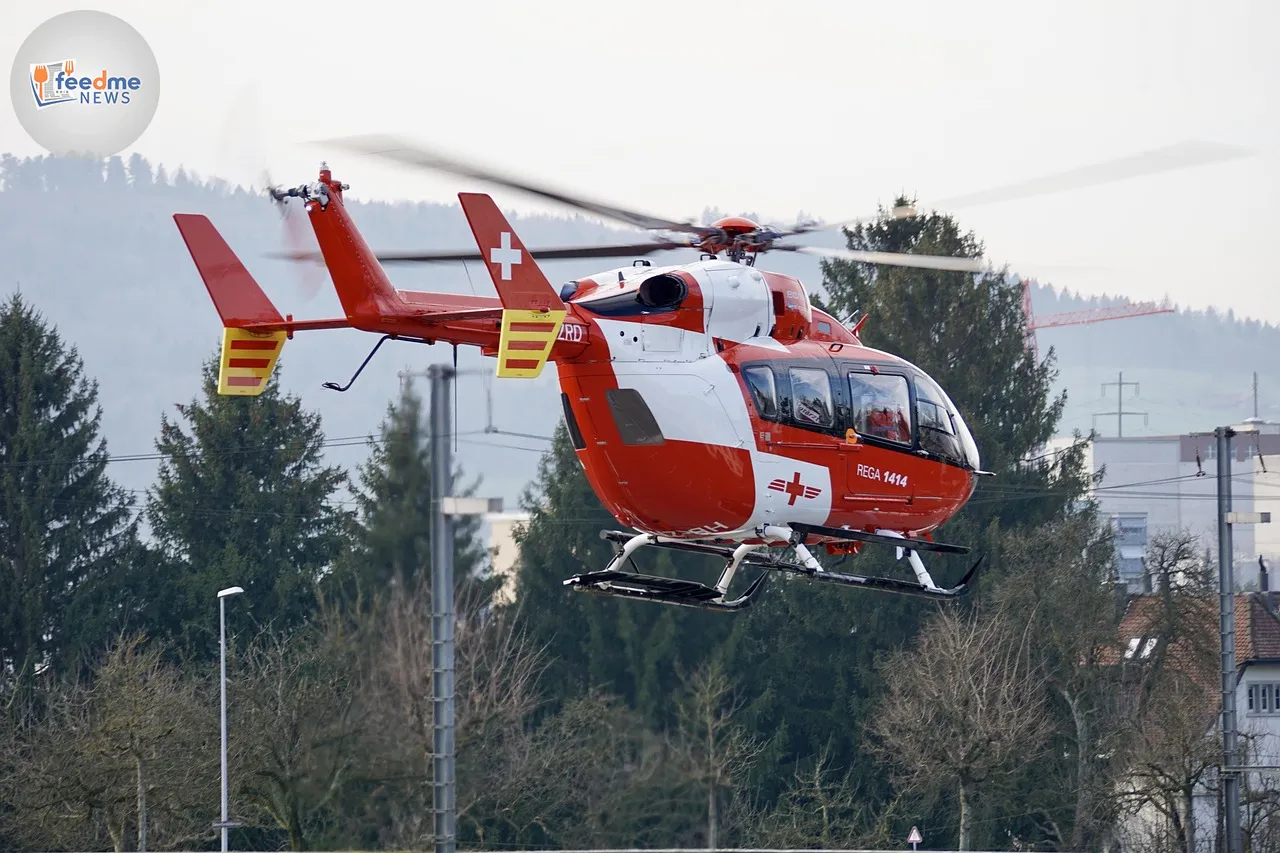
Emergency response and urgent transfer
When emergency teams face life-threatening injuries after a road collision, they aim to get the patient to critical care as fast as possible. In Wales, dispatchers can assign an air ambulance if a scene is far from a major hospital or the injury needs rapid specialist support. Crews provide advanced care at the scene and during the flight, working with doctors and critical care practitioners to stabilise the patient and reduce the risk of further harm.
A flight of about 150 miles within Wales commonly involves routes from rural or coastal areas to the University Hospital of Wales in Cardiff. Air crews coordinate with ground teams to secure a landing site and hand over care to hospital specialists. The distance and decision to fly reflect clinical guidelines that prioritise time-sensitive treatment for head injuries, internal bleeding, and other serious trauma.
Major trauma care in Cardiff
Cardiff’s University Hospital of Wales acts as the adult major trauma centre for Wales. The hospital brings together emergency medicine, trauma surgery, neurosurgery, and critical care in one site, allowing teams to assess and treat complex injuries quickly. The hospital also supports specialist imaging and interventional procedures that can be crucial in the first hours after a severe collision.
The Welsh major trauma network links local emergency departments with the centre in Cardiff. Ambulance crews and clinicians use national triage tools to identify patients who would benefit most from direct transfer to specialist care. In some cases, this means bypassing nearer hospitals to reduce delays in getting the right treatment. That approach follows established trauma systems used across the UK.
Air ambulance operations in Wales
Air ambulance teams in Wales work alongside the NHS and the Emergency Medical Retrieval and Transfer Service (EMRTS) to deliver critical care. Helicopter crews often include a consultant and critical care practitioner or paramedic trained to provide advanced interventions at the scene. They also use rapid response vehicles when weather or conditions prevent flying.
Longer flights, such as the one reported in this case, show the role of air transport in reaching remote communities and moving patients at speed to specialised units. Crews plan routes to minimise transfer time and coordinate hospital arrival to ensure scanners and surgical teams stand ready. Weather, daylight, airspace, and landing options all shape how and when helicopters operate.
How trauma triage guides urgent decisions
Triage protocols help clinicians decide where to take a patient based on the type and severity of injuries. If they suspect serious head trauma, spinal injury, major bleeding, or complex fractures, they will aim for the major trauma centre. That choice reduces the need for later transfers and gives access to specialist teams sooner.
These decisions draw on national guidance and training. Crew members assess breathing, circulation, consciousness, and visible injuries. They may use blood products, pain relief, and procedural interventions before departure. Early steps taken by trained teams can improve stability during the flight and help hospital teams plan immediate action upon arrival.
Road collisions and pedestrian risk
Pedestrians rank among the most vulnerable road users because they have little protection in a collision. National data published each year by the Department for Transport show that pedestrians face a higher risk of serious harm compared to many other road users. Speed, visibility, lighting, road design, and driver attention all influence outcomes when vehicles and pedestrians meet.
In Wales, many serious collisions occur on rural roads, where higher speeds and longer distances to hospitals can add complexity to emergency care. Urban collisions bring different issues, including heavy traffic and complex junctions. In both settings, rapid access to trauma care remains a key factor in survival and recovery after major injuries.
Hospital care after serious injury
On arrival at a major trauma centre, a patient with serious injuries enters a coordinated process. A trauma team leads the initial assessment, orders scans, and decides on surgery or other urgent treatments. The team may include surgeons, emergency physicians, anaesthetists, radiologists, and critical care specialists. This approach aims to sequence decisions within minutes and hours to protect vital organs and limit complications.
Recovery from severe trauma often involves intensive care, specialist rehabilitation, and follow-up services. Early rehabilitation planning helps patients regain mobility and function. Social and psychological support can also form part of care plans, especially after life-changing injuries. The patient’s progress depends on the nature of the injuries, their response to treatment, and access to ongoing support.
Community impact and public information
Serious collisions can affect families, witnesses, and communities beyond those directly injured. Local authorities and road safety bodies promote measures such as safer crossings, speed management, and public awareness campaigns to reduce risk. Enforcement, engineering, and education work together in most road safety programmes across the UK.
In the aftermath of an incident, officials may release appeals for information or witness statements to support any investigation. Clear, accurate updates also help the public understand disruptions and safety messages. In this case, further information about the incident remained limited at the time of publication, with priority given to the patient’s treatment and privacy.
What this means
The man hit by a car on Thursday received emergency care and a rapid transfer to the major trauma centre in Cardiff for specialist treatment. The long-distance airlift shows how trauma networks move patients directly to advanced care when minutes matter. It also highlights the role of air ambulance teams, who coordinate with NHS services to deliver critical care across wide distances.
For the public, the case underscores the reality that serious collisions can trigger complex, country-wide responses. While most incidents involve local transport to nearby hospitals, the most severe injuries activate a different pathway designed to reach specialist teams quickly. Authorities may release more details in due course, but immediate efforts focus on clinical care and stabilisation.
When and where
The incident occurred on Thursday, 22 January 2026. A man was flown about 150 miles to a hospital in Cardiff with serious injuries. The event and transfer were reported by WalesOnline.