


Engineers have called on architects and builders to be ‘bamboo?ready’ as a leading professional body released new guidance for designing permanent buildings with the fast?growing material. The Institution of Structural Engineers published a design manual this week that sets out how to plan, specify and deliver structures made from bamboo, positioning it as a credible alternative to steel and concrete for certain projects. The guidance aims to help project teams cut embodied carbon while meeting safety and performance standards.
Engineers say bamboo can serve in public buildings such as schools and terminals, as well as in multi?storey frames, where design teams judge it suitable and local rules permit. The move places bamboo alongside other low?carbon options that the construction sector has begun to scale, including timber and hybrid systems, as pressure grows to reduce the climate impact of the built environment.
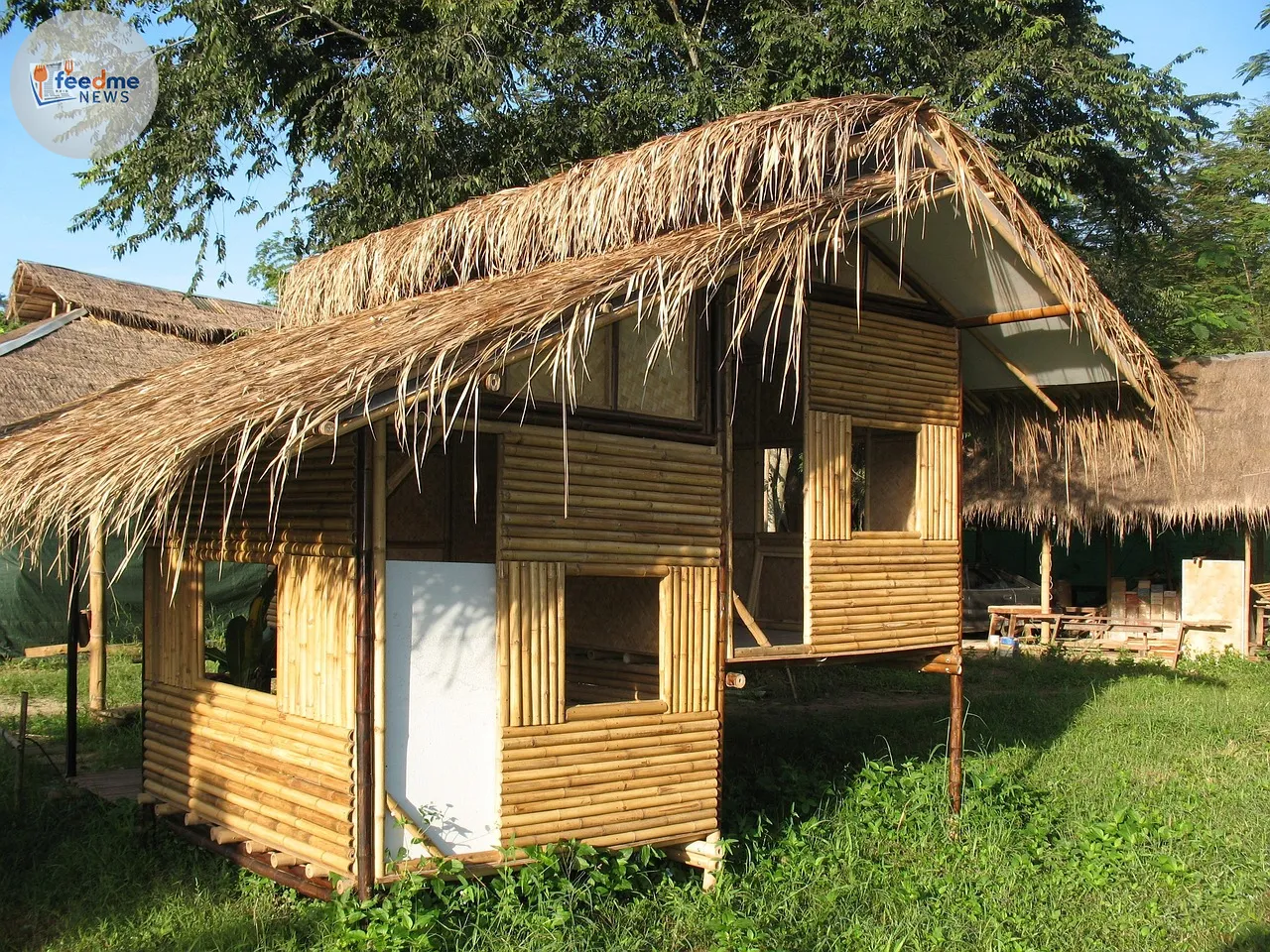
New manual sets out design rules for permanent bamboo structures
The manual provides technical guidance to help architects and engineers incorporate bamboo in permanent works. It describes how to assess material properties, detail connections, manage durability and moisture, and plan for fabrication and quality control. It also highlights sourcing, grading and treatment steps to ensure consistency across batches, which remain central to structural reliability. While it promotes bamboo as a structural material, the document emphasises that project teams must follow local building regulations and approval processes.
The professional body says the guidance supports safe design and practical delivery. It seeks to move bamboo from temporary use and craft applications into mainstream structural roles. The manual’s scope includes both round?culm bamboo and engineered products formed from laminated strips, which require different approaches in analysis and detailing. It presents case?based design considerations rather than prescribing one method, reflecting varied supply chains and regional codes.
Push to reduce embodied carbon in construction
The release comes as the sector looks for ways to cut embodied carbon from materials and construction. The built environment accounts for a substantial share of global energy?related carbon emissions, according to United Nations assessments. Engineers promoting bamboo point to the plant’s rapid growth and its potential to store carbon during cultivation, making it one option to lower the footprint of building frames, floors and finishes.
The manual positions bamboo as one part of a wider toolkit that includes timber, recycled metals, low?carbon cement blends and reuse of existing structures. In practice, design teams consider durability, cost, local availability and regulatory acceptance, alongside climate targets. The guidance aims to help those teams weigh bamboo against established materials early in concept design, so they can test feasibility and plan procurement if they choose to proceed.
How bamboo fits within existing codes and standards
International standards for bamboo exist, including ISO guidance on test methods and structural design. These cover physical property testing and design principles for bamboo elements. However, national building approvals depend on local rules, and many jurisdictions review bamboo proposals on a project?by?project basis. The Institution’s manual sits alongside those standards to inform design calculations, detailing and site practice.
Engineers typically combine published standards with material testing and third?party certification to support approvals. The manual is intended to make that process more consistent and transparent. It outlines documentation needed for building control, such as durability treatments, fire performance data, and evidence of structural capacity. It also discusses inspection and maintenance plans suited to bamboo components in permanent buildings.
Potential applications and limits highlighted by engineers
The guidance describes where bamboo may suit permanent use, such as in roof structures, trusses, braced frames, canopies, light?to?medium?rise buildings and composite systems with other materials. It also notes where bamboo may be less appropriate without further testing or product development. Cladding, interior finishes and non?structural partitions are recognised routes for wider use, as they carry fewer structural demands while still reducing material footprints.
Engineers cite existing projects in parts of Asia, Africa and Latin America as evidence that structural bamboo can perform when designed and built correctly. The manual draws on those experiences to set out good practice on detailing, foundations, moisture control and joints. It also encourages early collaboration between designers, suppliers and contractors to manage tolerances and protect material quality from harvest to installation.
Material properties, treatment and durability
Bamboo is a natural, fibre?reinforced material with a strength?to?weight profile that designers can exploit in tension and bending, when detailed correctly. The manual explains how to account for variability between species, culm geometry and moisture content. It outlines the importance of proper seasoning, storage and on?site protection. It also addresses common biological risks, including insects and fungi, and the need for suitable preservative treatments where regulations allow.
For engineered bamboo products, the guidance points to factory quality control, lamination processes and adhesive specifications as critical factors. It emphasises traceable supply and consistent grading, so that design values match delivered products. The document also covers interfaces with other materials, thermal movement, and strategies to keep bamboo dry in service, which is central to long?term performance.
Fire safety and building control considerations
The manual includes information on fire design, acknowledging that building approvals require evidence of performance under local codes. It summarises known behaviours of bamboo under heat and the role of protective layers, encapsulation and sprinklers as part of a whole?building fire strategy. Where test data is limited, the guidance advises project?specific assessment and engagement with regulators at concept stage.
Building control bodies will continue to decide approvals based on submitted evidence. The Institution’s document does not change regulations, but it aims to make submissions more robust by detailing test methods, design checks and acceptable documentation. It advises clear responsibility lines between designers, suppliers and installers, with site inspections to confirm workmanship.
Supply chains, certification and responsible sourcing
Global bamboo supply originates mainly from tropical and subtropical regions. The guidance encourages responsible sourcing, including verification of origin and evidence of sustainable management. It notes that transport, processing and treatment all influence whole?life carbon and must be included in calculations when clients seek low?carbon outcomes.
Certification and labelling can help track quality through the supply chain. The manual recommends project teams obtain certificates for treatments, adhesives and factory processes, alongside structural test reports. It also highlights the value of mock?ups and prototypes, especially for novel connection details, to confirm performance and buildability before full construction.
Education, skills and market readiness
The Institution’s call for architects to be ‘bamboo?ready’ reflects a skills agenda as much as a materials push. The manual is designed as a reference for architects, engineers, contractors and clients who may be new to bamboo. It signposts training needs in design offices and on site, such as understanding material variability and adopting appropriate detailing.
Universities and professional training providers may use the guidance to shape modules on low?carbon materials and alternative structural systems. By standardising language and design steps, the Institution aims to reduce uncertainty that has limited wider uptake. The document also supports early discussions with insurers, financiers and building owners by setting out the evidence base expected for permanent bamboo projects.