


The North Atlantic Treaty Organisation, known as Nato, is a political and military alliance formed in the early stages of the Cold War to provide collective security among its member states. Established in 1949, the organisation was designed to deter aggression in Europe and North America by binding members to a shared commitment to defence and political cooperation.
Nato’s founding treaty set out a system in which member states agree to safeguard each other’s security through consultation, joint planning, and, where necessary, collective military action. The alliance has since grown significantly in size and scope, adapting to changing geopolitical conditions over more than seven decades.
Collective defence at the centre of the alliance
The core principle underpinning Nato is collective defence. This is formalised in Article 5 of the North Atlantic Treaty, which states that an armed attack against one member shall be considered an attack against all. The provision commits allies to assist a member that comes under attack, using measures they deem necessary, including military force.
Article 5 has been invoked only once in Nato’s history, following the terrorist attacks on the United States on 11 September 2001. In response, the alliance provided support to the US, including through operations aimed at counterterrorism and stabilisation efforts.
Beyond Article 5, Nato also functions as a forum for political consultation. Member states meet regularly to discuss security concerns, assess threats, and coordinate responses. These discussions cover a wide range of issues, including defence planning, cyber security, emerging technologies, and relations with non-member states.
Membership and expansion over time
Nato describes itself as open to European countries that are able and willing to contribute to the security of the North Atlantic area. At its founding in 1949, the alliance consisted of 12 members, including the United States, the United Kingdom, France, Canada, and several Western European states.
In the early years of the Cold War, membership expanded to include Greece and Turkey in 1952 and West Germany in 1955. After the end of the Cold War and the collapse of the Soviet Union, Nato entered a new phase marked by enlargement into Central and Eastern Europe.
Former Warsaw Pact members and other post-communist states joined the alliance in successive waves, including Poland, Hungary, and the Czech Republic, followed later by Baltic states such as Estonia, Latvia, and Lithuania. These expansions reflected shifts in Europe’s political landscape and the security priorities of countries seeking closer ties with Western institutions.
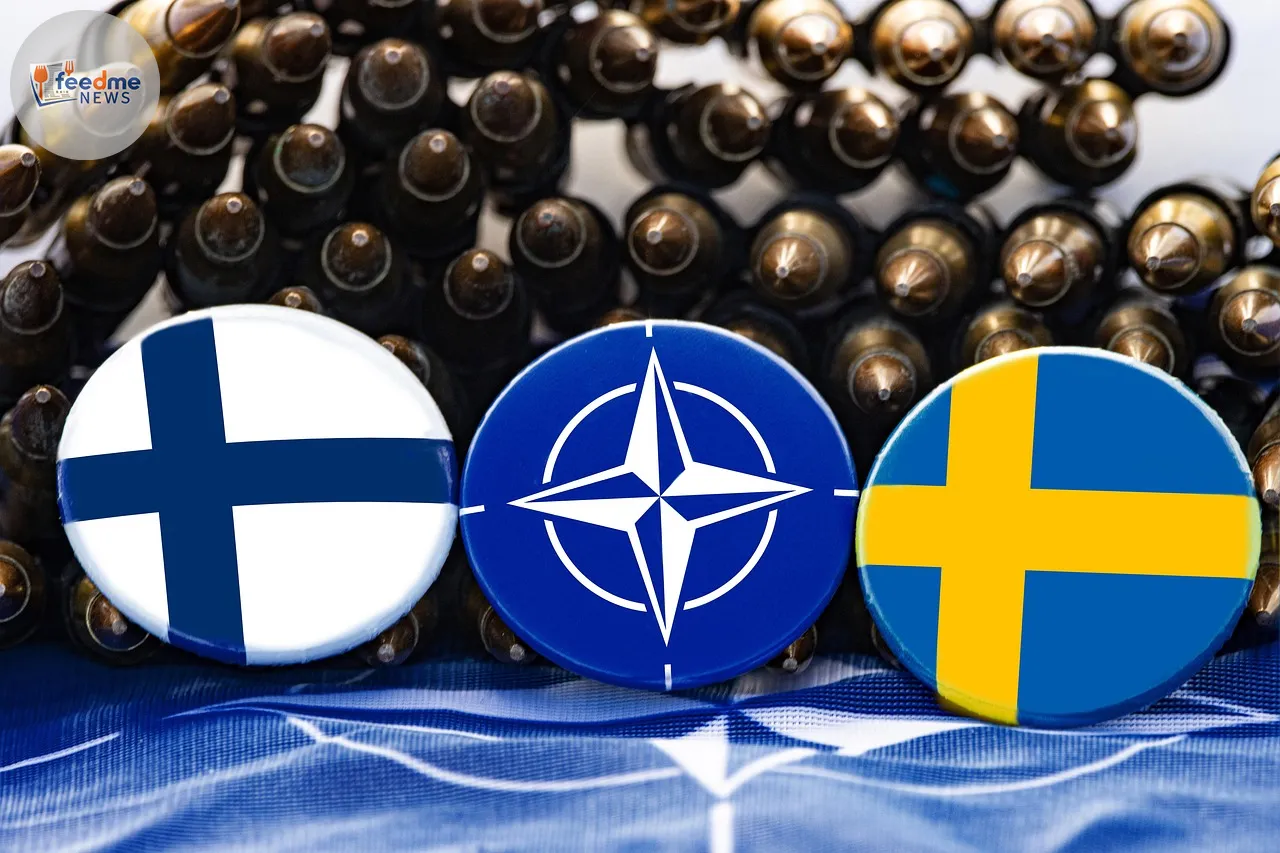
The most recent additions are Finland and Sweden, which applied for membership following Russia’s full-scale invasion of Ukraine. Their accession brought Nato’s membership to 32 countries and extended the alliance’s presence along new sections of Europe’s northern frontier.
Military operations and deployments
While Nato is primarily a defensive alliance, it has also been involved in military operations beyond its member states’ borders. During the 1990s, Nato conducted air operations during the conflicts in the former Yugoslavia, including campaigns aimed at halting violence and enforcing peace agreements.
After the 2001 attacks in the United States, Nato led a long-running mission in Afghanistan focused on counterterrorism, training local security forces, and supporting state institutions. That mission formally ended in 2021, following the withdrawal of international forces.
Nato has also established a presence in eastern Europe through multinational battlegroups, air policing missions, and enhanced forward deployments. These measures are designed to reassure member states and deter potential aggression, particularly in response to security concerns arising from Russia’s actions in the region.
Recent pressures and defence spending debates
In recent years, Nato has faced internal debates over defence spending and burden-sharing. During Donald Trump’s presidency, the alliance came under renewed scrutiny, with the US president criticising some European members for failing to meet agreed defence spending targets.
These pressures coincided with a deteriorating security environment in Europe. Russia’s actions in Ukraine, alongside broader concerns about regional stability, prompted many Nato members to reassess their defence commitments. In June 2025, most alliance members agreed to increase defence spending, reflecting a shared assessment that security risks had intensified.
What this means
Nato remains a central pillar of transatlantic security, combining political coordination with military capability. Its evolution from a Cold War alliance into a broader security organisation reflects changing threats and shifting geopolitical realities. With expanded membership, increased defence spending, and a renewed focus on deterrence, the alliance continues to adapt as security challenges in Europe and beyond develop.
When and where
This explainer is based on reporting published by The Guardian on 21 January 2026, outlining Nato’s history, purpose, and recent developments.